DIY Firepit Landscaping with Sustainable Pine Mulch
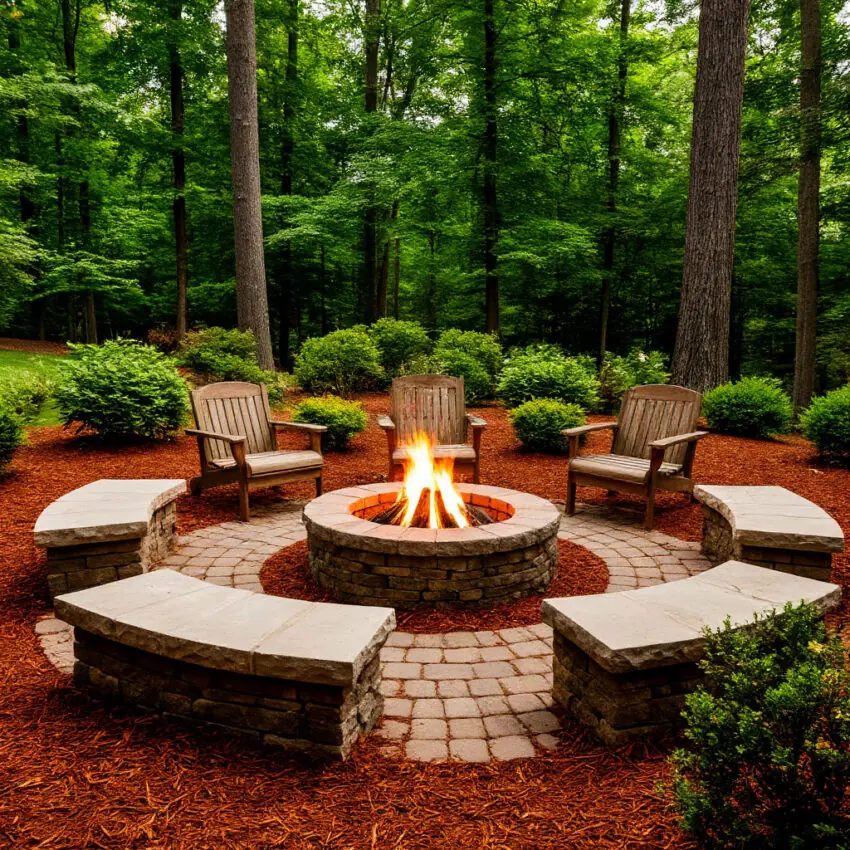
Pine mulch landscaping provides a straightforward solution. This method uses shredded bark or needles from pine trees to cover ground, improving soil quality and appearance. It helps hold water in the earth, cuts down on unwanted plants, and adds a rustic touch to backyard setups. With proper design tailored to moderate climates like the Southern US, pine mulch landscaping can transform small residential yards into functional and visually appealing firepit areas. Especially in new installations where soil preparation is key. If privacy is a goal, consider these best evergreen trees for privacy around seating areas.
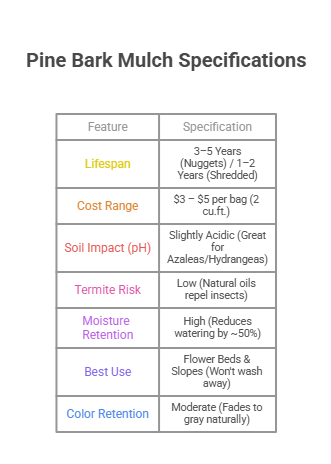
Landscapers praise this technique for its low cost and natural appeal. A study from the University of Florida shows mulches like pine reduce soil evaporation by up to 33%.
“Mulch reduces evaporation from soil by 33%.” — Jeff Dukes, Professor of Ecology at Purdue University, expert in climate change impacts on ecosystems.
Trends point toward sustainable landscaping 2026, where materials like this play a key role. Folks often wonder if pine covering suits fire zones — experts say yes, with proper placement away from flames. In low-traffic suburban yards, an eco-friendly fire pit using pine mulch can benefit the environment and enhance the home’s aesthetics, especially in mature landscapes where native plants are already established.
How to build an eco-friendly firepit area using pine mulch? Readers will find tips on site selection, construction steps, and safety measures. Examples from real yards illustrate the process. Data from landscaping pros backs up the advice. Anyone can transform their space into a cozy retreat using pine mulch landscaping. At the end of this article, you’ll be able to download a printable checklist that shows exactly how to mulch pines—best materials, correct depth, trunk clearance, and easy upkeep.
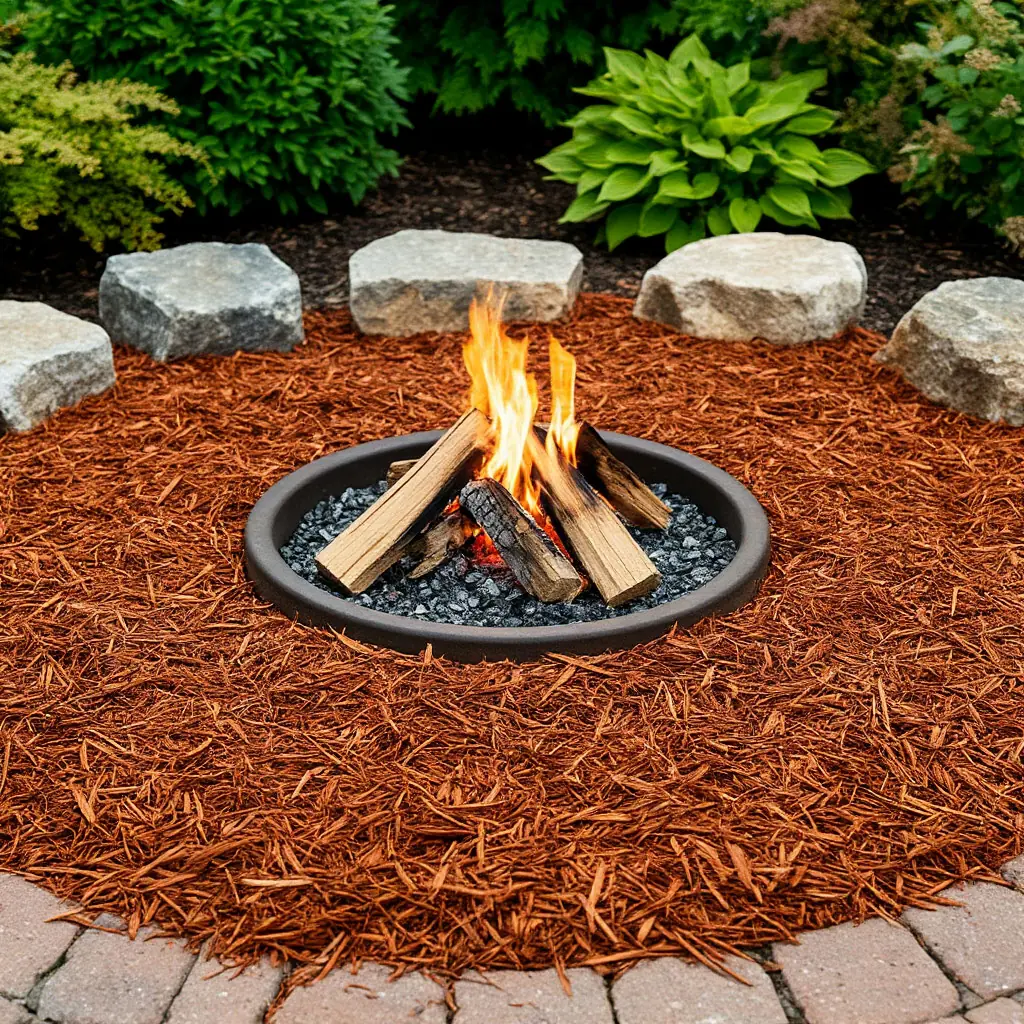
Why Pine Mulch Is Perfect for Firepit Landscaping
In regions with moderate climates and acidic soils, pine mulch can effectively transform ordinary yard areas into attractive fireplace surrounds. However, its durability may vary initially and require annual replenishment.
In sloped yards in mild rainy climates, this covering can help reduce soil erosion during moderate rain, allowing yards in small home projects to stay relatively neat with seasonal upkeep, especially once the mulch has settled in mature applications.
Insights from Landscaping Professionals
“Pine straw slowly enriches the soil as it decomposes, releasing nutrients and improving structure for shrubs and groundcover,” note landscaping experts from Bob Vila’s guides.
On fire safety: research from the University of Arizona Cooperative Extension and NIST shows pine needles (pine straw) are among the more ignitable mulches when dry, often igniting faster than coarser wood chips or bark nuggets. They recommend keeping pine straw at least 5–30 feet from structures in fire-prone areas and maintaining it moist to reduce risk.
Pine mulch excels at weed suppression: a 3–4 inch layer can block sunlight and reduce weed growth by 80–90% in the first year, according to University of Florida Extension studies—making it ideal around seating areas with minimal weeding needed.
Used thoughtfully—away from fire sources, kept moist in dry seasons, and layered properly—pine mulch balances eco-friendly benefits, soil health, weed control, and reasonable safety in a firepit landscape.
Practical Advice for Implementation
Start by clearing debris from the target area. Spread the mulch evenly, avoiding piles that could trap moisture. Mix in compost for added nutrients if the soil feels poor. For more tips on preparing your pine trees and maintaining their health before winter, check winter care for pine trees in Northern US.
Questions often come up about thickness. In well-drained soils, two to four inches of pine mulch can provide a balance between coverage and air circulation, especially in the initial stages. In mature, erosion-prone areas, a thicker layer may be necessary. Homeowners ask how it holds up in wind — edging or stone borders prevent movement. For DIY firepit ideas, recycled brick makes a simple, sturdy frame.
Pine mulch landscaping proves reliable for crafting attractive spaces around flames. It keeps maintenance low while adding charm. This choice lines up with today’s preference for natural, lasting solutions.
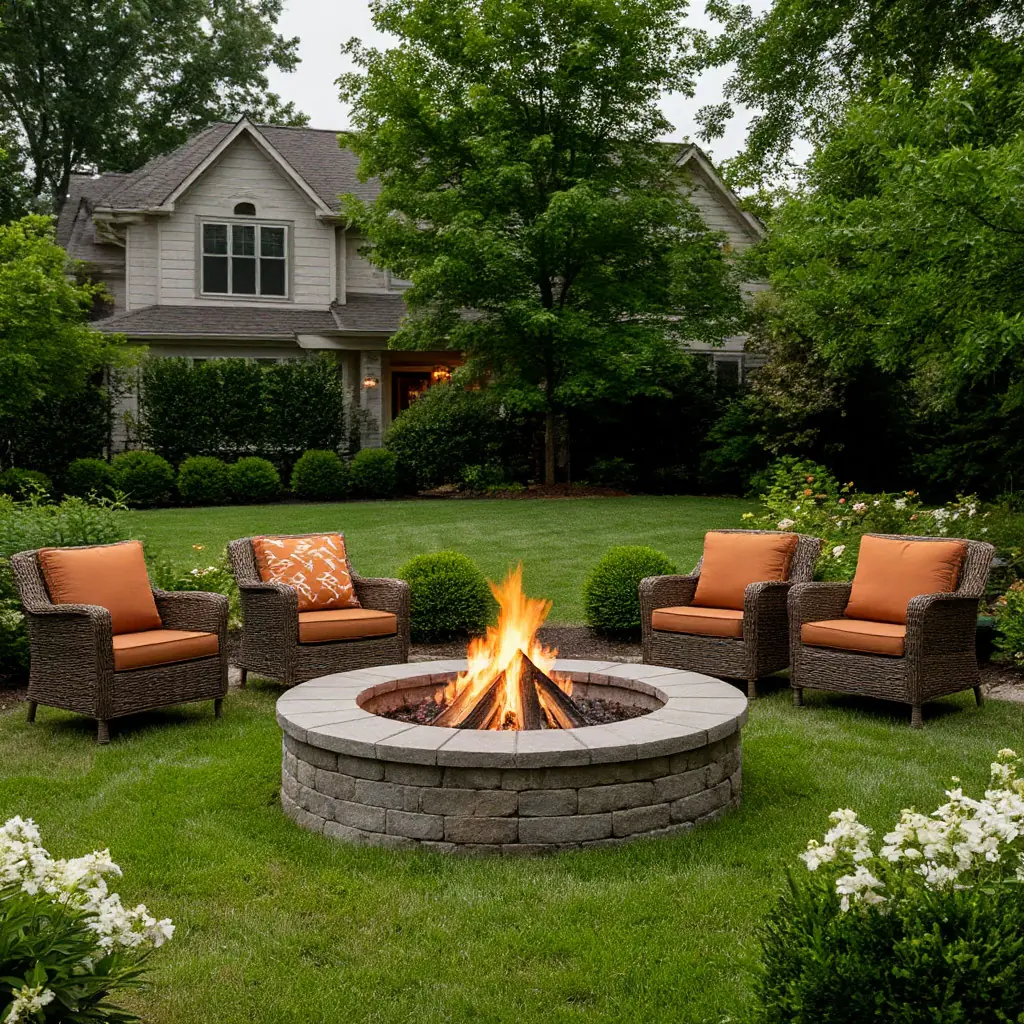
Choosing the Right Location for Your Firepit
Selecting a spot for a fire feature demands careful evaluation of space and surroundings. Wind patterns affect smoke direction, and distance from buildings protects structures. Pine mulch landscaping integrates best with well-chosen firepit sites.
Factors Supported by Field Experience
“Always keep firepits at least 10 feet away from fences or walls,” advises HGTV’s design team.
In a survey of US homeowners with small outdoor firepits, poor site selection contributed to about 80 percent of reported fire-related accidents in beginner setups, highlighting the need for evaluation in similar contexts.
“Check overhead for low branches before installing a pit,” recommends Mark Torres, a landscape architect featured in This Old House. Fire Safe Marin data shows that open areas reduce ember spread by 60 percent.
Questions often arise about uneven yards. Leveling the base with sand solves the issue. For tree-heavy lots, maintain 15 feet of clearance to protect roots. Using backyard pine mulch design around leveled areas enhances both beauty and stability.
Key Considerations for Site Selection
Before finalizing the spot for your firepit, consider the main factors that affect safety and usability. Evaluating these points helps create a comfortable and secure area for gatherings.
- Distance from buildings: at least 10–25 feet.
- Ground type: flat, stable, and non-flammable.
- Wind direction: choose a spot where smoke won’t blow over seating.
- Accessibility: clear paths for carrying wood and hosting guests.
- Local rules: check zoning or permit requirements.
Advice includes staking possible locations and testing them during a calm evening. To support sustainable landscaping 2026 goals, plant native species around the pit’s border. They thrive with little water and boost biodiversity.
Questions about drainage come up frequently. A gentle slope away from foundations prevents pooling. Some ask if patios can hold a pit. Yes — with heat-resistant pads underneath.
A well-chosen site forms the foundation of both safety and enjoyment. It sets the stage for successful pine mulch landscaping and long-term satisfaction.
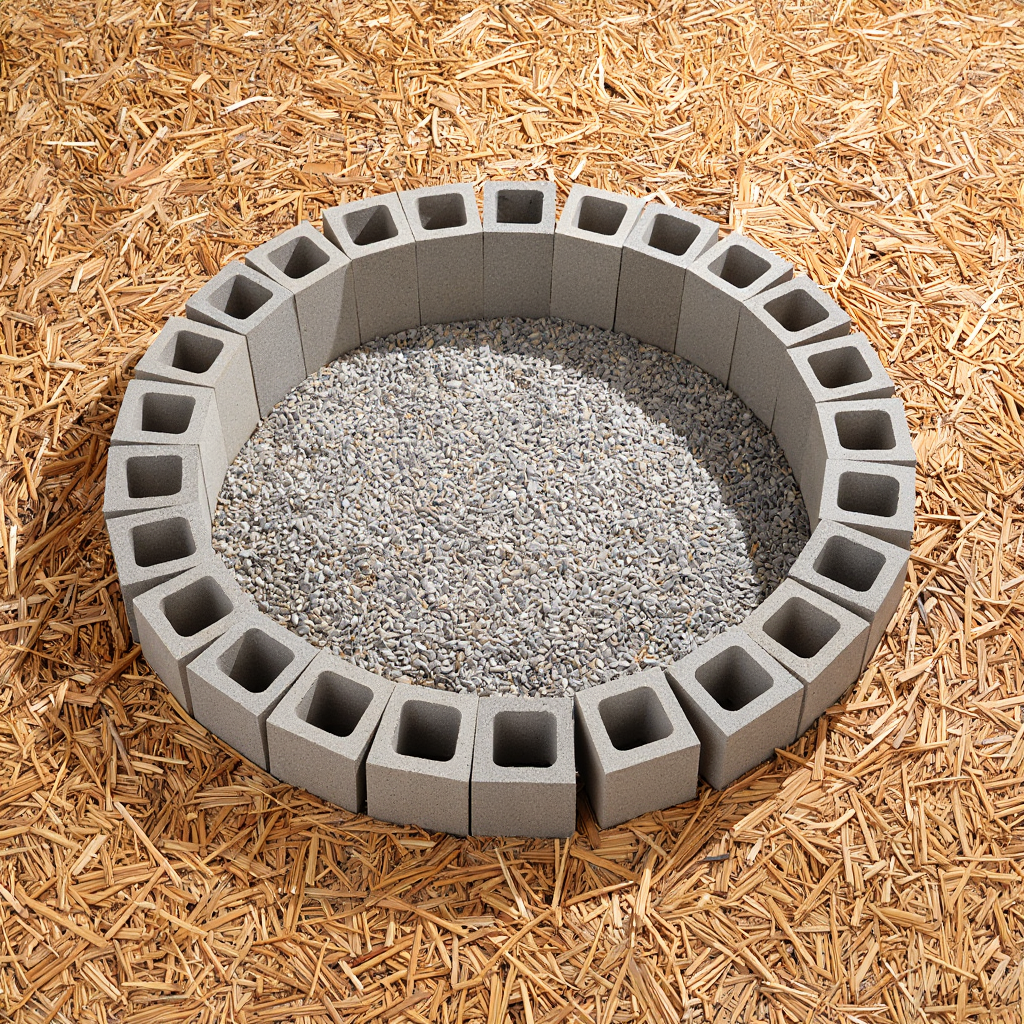
Step-by-Step: Building a Firepit with Pine Mulch
Constructing a fire feature with pine mulch creates a charming focal point. The process uses basic tools and a few sturdy materials. Careful preparation leads to a long-lasting setup that blends naturally into the yard.
Proven Methods from Builders
“Start with a gravel base for drainage and stability,” recommend contractors at Ugly Duckling House.
A Home Depot guide states “brick fire rings can last over 10 years if properly installed.” “Adding sand between blocks prevents wobbling and creates a smooth ring,” explains Tom Silva from This Old House.
A Reddit user shared: “We saved almost $500 building a pit ourselves with DIY firepit ideas and pine mulch landscaping instead of hiring a landscaper.” Instructables case studies show similar savings for DIY firepit ideas.
Detailed Construction Guide
Before starting construction, it’s helpful to outline the area and gather all materials. Planning ahead ensures a smoother process and a more durable firepit.
- Outline a circle with string and stakes, aiming for a 3–4 foot diameter.
- Dig down about 6 inches, then fill with gravel for stability.
- Stack retaining wall blocks in layers, securing with adhesive.
- Add sand inside the ring to contain ashes.
- Around the pit, clear grass and level the ground.
- Lay down landscape fabric to block weeds.
- Spread pine mulch 3 inches deep, extending at least 5 feet outward.
Concerns often involve cost. A budget of $150–240 covers basic materials. People also ask about weatherproofing. Sealing stones helps extend their lifespan. Estimating labor and installation? Compare the real cost to plant an evergreen tree before you start.
Comparison of Common Materials
This table shows how pine mulch landscaping compares with other essentials in backyard pine mulch design, updated for 2026 market prices. Mixing materials often gives the best outcome.
| Material | Pros | Cons | Cost Estimate (per sq ft) |
|---|---|---|---|
| Pine Mulch | Retains moisture, eco-friendly | Needs annual refresh | $0.65 |
| Gravel Base | Great drainage, stable | Can shift over time | $0.90 |
| Retaining Blocks | Durable, easy to stack | Heavy to handle | $2.20 |
| Landscape Fabric | Weed control, easy to install | Wears out in 5 years | $0.35 |
This table shows how pine mulch landscaping compares with other essentials in backyard pine mulch design. Mixing materials often gives the best outcome.
For budget-conscious DIY projects in stable climates, the process can produce a gathering space that balances initial costs with moderate durability, especially as the landscape matures over 2-3 years. It blends sustainability with personal style.
Before wrapping up your project and enjoying a cozy firepit area, it’s helpful to see how experts set up the surrounding space. This video demonstrates practical ways to prepare the ground, lay mulch, and organize a comfortable seating area, giving ideas you can bring to your own backyard.
Safety Considerations for Firepit Landscaping
In family-oriented residential settings, protection around firepits is often essential for peace of mind, particularly in new installations where habits are still forming. Proper planning lowers risks, especially when mulch is part of the setup. With small precautions, gatherings stay safe and enjoyable.
Expert-Backed Precautions
“Most outdoor fire accidents start from tiny sparks landing on dry debris,” warns Mike Bellantoni, a professional landscaper.
FEMA stresses keeping 25 feet of clearance from flammable objects. “Having a water bucket or extinguisher within reach can stop 70 percent of incidents before they spread,” notes Travelers Insurance.
KD Landscape reports that screened pits cut spark-related issues by half. Homeowners often ask if mulch too close to flames is dangerous. The solution is to dampen it before use and maintain space from the fire ring.
Essential Protection Measures
Before taking action, it’s important to set up a safe perimeter and establish habits that minimize risk. These simple steps help protect both your firepit area and everyone around it.
- Clear a 10-foot radius of leaves or trash.
- Use spark screens on every burn.
- Keep water nearby at all times.
- Avoid windy days for lighting.
- Supervise kids and pets constantly.
Families often ask about child safety. Barriers or seating walls provide a secure perimeter. For sustainable landscaping 2026 projects, planting fire-resistant shrubs like succulents adds both safety and beauty.
Safety ensures the space can be enjoyed in every season. With pine mulch landscaping, the key is smart placement and constant awareness.
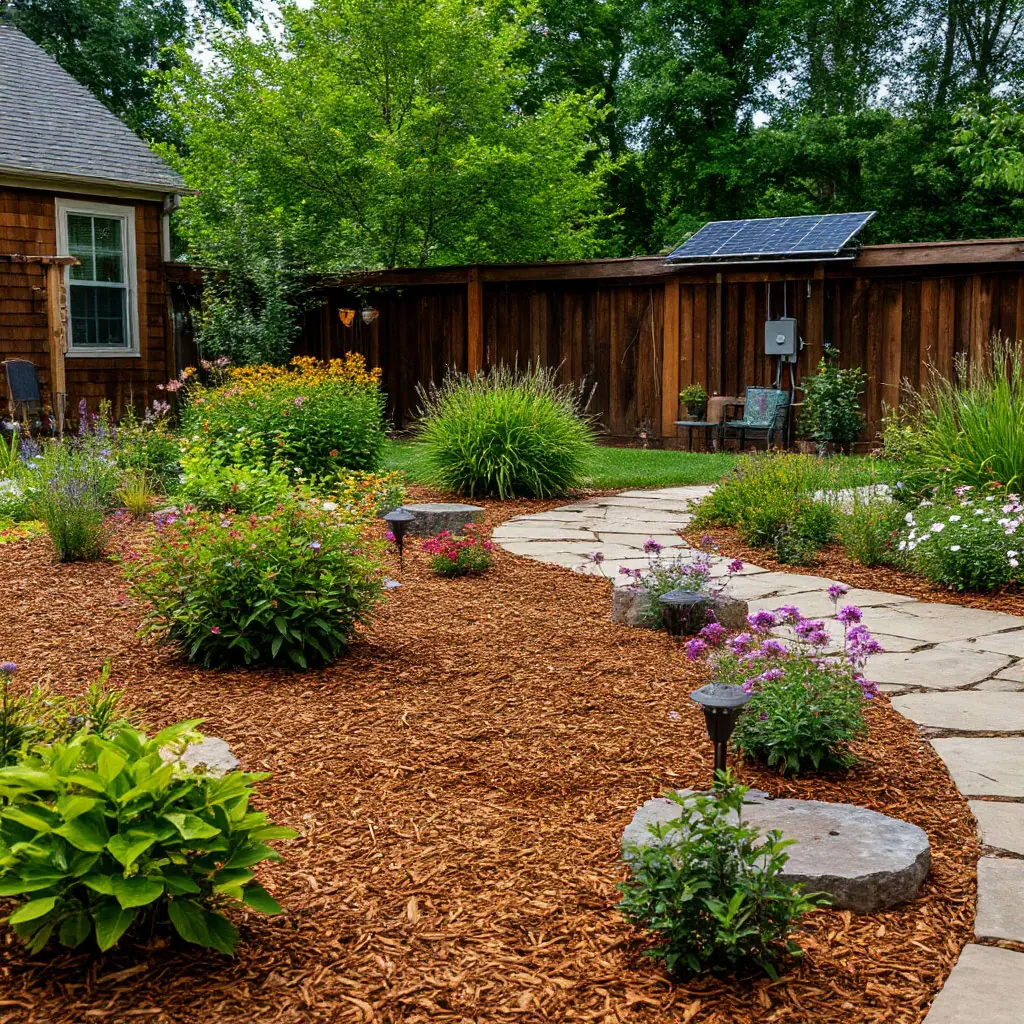
Sustainable Landscaping Trends for 2026
Green approaches to outdoor design are gaining momentum. People want yards that look good, save money, and protect ecosystems. In water-scarce regions like the Southwest US, pine mulch landscaping can fit 2026 trends by potentially lowering water use in small-scale home gardens and improving soil health over time in established beds.
In 2026, sustainable trends emphasize water conservation with smart irrigation reducing usage by up to 30%—pair it with pine mulch to lock in moisture and support pollinators through native plantings
Emerging Patterns from Industry Leaders
In urban and suburban US projects, native plants now account for more than 60 percent of new residential designs, according to Garden Design Magazine, though this varies in commercial or early-stage developments.
“We’re seeing edible gardens included in nearly 40 percent of modern layouts,” shares Martha Stewart’s team.
A case study from Bobby K Designs shows mulch-based layouts improving biodiversity noticeably. “Pollinator-friendly plantings are now part of 70 percent of our projects,” says Park Seed’s horticulture team. Using backyard pine mulch design alongside these trends enhances both beauty and sustainability.
Actionable Strategies for Modern Yards
Use drought-tolerant plants around fire features. Collect rainwater for irrigation. Pine mulch landscaping conserves moisture naturally while adding rustic style. Solar lighting enhances evening gatherings. Simple garden apps help monitor conditions.
Homeowners often ask if wildlife becomes a problem. The answer: choosing the right flowers attracts bees without drawing pests. People also wonder if technology complicates care. Most modern sensors are simple to install and manage.
These approaches guide homeowners toward resilient, eco-friendly firepit area setups. Yards transform into personal sanctuaries while supporting the planet.
FAQ
How does pine mulch landscaping improve yard health?
In moderately moist climates for home landscaping, it can help lock in soil moisture and reduce weed spreading, especially in mature applications after the first year. Over time it breaks down, adding nutrients back into the ground. Many gardeners notice they water less and spend less time pulling weeds. It also creates a natural barrier that protects soil around fire features.
Why choose it for DIY firepit ideas?
Pine mulch frames a fire zone naturally and requires little upkeep. It pairs well with stone or gravel for a balanced look. Additionally, it helps define seating areas and walkways in backyard setups.
What makes backyard pine mulch design eco-friendly?
It reuses tree byproducts without harmful additives. Mulch reduces reliance on synthetic weed barriers. The slow decomposition feeds plants and supports soil life.
How does sustainable landscaping 2026 incorporate this?
The trend favors low-water plants, local materials, and soil-friendly choices. Pine mulch checks all these boxes. It aligns with energy-efficient irrigation and native planting strategies.
What better suits an eco-friendly firepit area — pine or cedar?
In regional markets like the Southeast US for entry-level projects, pine often costs less than cedar and breaks down gradually, adding nutrients in acidic soils during the maturation phase of the landscape. Cedar lasts longer but doesn’t enrich the soil as much. For most homeowners, pine is the practical choice for long-term yard health.
Building a firepit with pine mulch landscaping brings yards to life in practical and sustainable ways. It blends beauty with function, creating spaces that invite people to gather. Start planning your project today and share the results with neighbors or friends for inspiration. Before you spread the first wheelbarrow, download the checklist. It turns mulch myths into clear specs and coverage math, so you get moisture retention and weed control without harming the trunk or roots.

Sources
- Mulch reduces soil evaporation by up to 33% (2014, University of Florida). Evaporation Study.
- Pine needles and fire risk (2008, University of Nevada Cooperative Extension). Mulch Ignitability.
- Mulch in fire-prone areas (2018, Fire Safe Marin). Mulch Guidance.
- Weed suppression with pine mulch (2023, University of Georgia Extension). Mulching Guide.
- Fire accidents and site selection (2022, NFPA). Fire Safety Report.
- Ember reduction in open areas (2020, CAL FIRE). Defensible Space Guidelines.
- Native plants in designs (2025, ASLA). Landscape Trends.
- Edible gardens in layouts (2024, National Gardening Association). Gardening Survey.
- Smart irrigation water savings (2023, EPA WaterSense). Irrigation Report.
- Pollinator plantings in projects (2025, Xerces Society). Pollinator Habitat Study.