Top 5 Disease-Resistant Pine Varieties for Home Landscapes in 2026
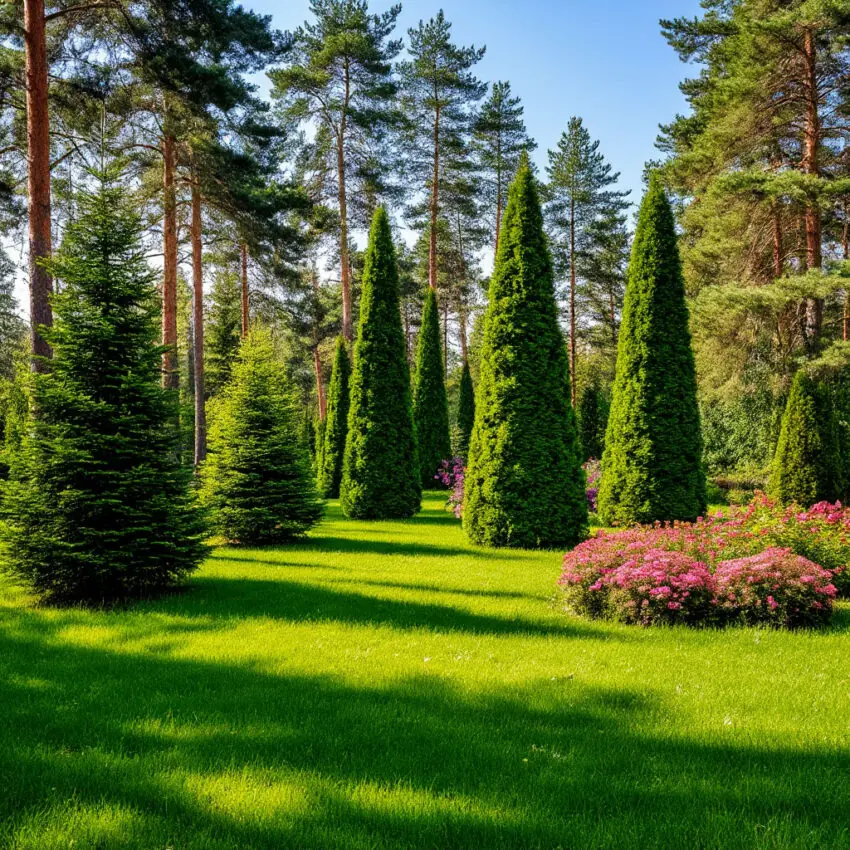
Homeowners often struggle to maintain healthy, vibrant yards year-round. Pests, fungi, and other illnesses can damage or kill specimens quickly, leaving bare spots and frustration. Disease-resistant pine varieties can be a practical choice for homeowners with medium to large gardens. Those living in suburban or rural areas (usually 0.25 acres or more) should be prepared to provide proper care for seedlings during the first 2-3 years. In suitable USDA zones, they often require minimal further intervention.
These conifers come with natural defenses against common threats, making them ideal for residential landscapes. Gardeners note that fluctuating weather patterns and wetter seasons make plant health harder to manage. Choosing the right disease resistant pine trees reduces long-term maintenance and keeps yards looking lush. Selecting varieties with proven resilience ensures that landscapes remain attractive and functional across multiple seasons.
Experts from organizations like Davey Tree Company emphasize that planting resilient conifers prevents costly losses. Arborists report an increase in fungal diseases due to warmer, wetter conditions in many states. Homeowners often ask whether these trees truly thrive without constant care.
Most trees thrive reliably with minimal care once established (in 2-4 years), especially if properly planted and maintained during the establishment period in sites appropriate for their climate zone, soil drainage, and sunlight requirements. Choosing drought-tolerant pine varieties can further reduce irrigation needs and improve the overall resilience of homesteads. Selecting drought-tolerant pine varieties can further reduce watering needs and improve overall resilience in home landscapes.
Selecting disease-resistant varieties is a proactive step that can significantly reduce tree loss in residential settings amid changing climate conditions.” – John Lloyd, Certified Arborist and Davey Tree Expert
Read on, then grab the variety booklet at the end to match pines to your climate, space, and maintenance goals.
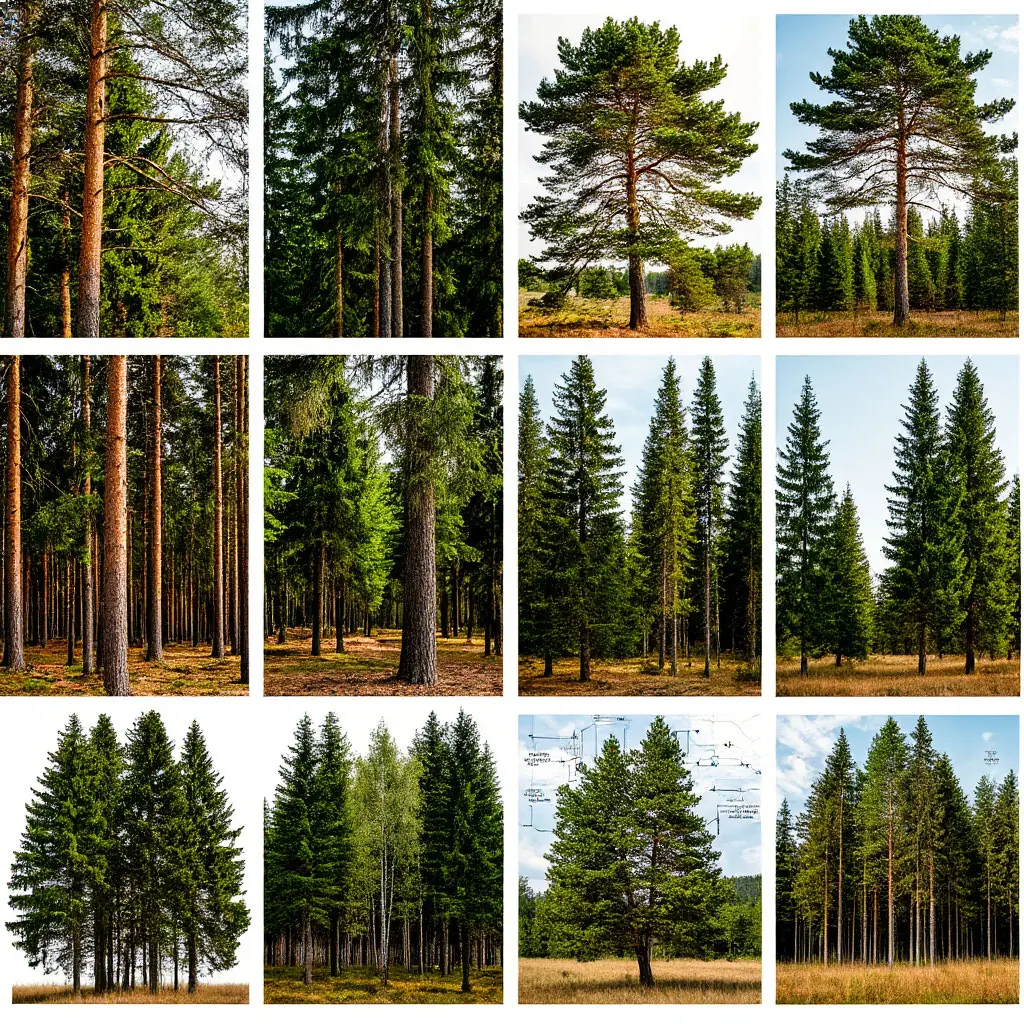
Why Disease Resistance Matters in 2026
Homeowners face increased challenges due to climate change and shifting weather patterns. Warmer winters, heavy rains, and prolonged droughts contribute to disease spread. Planting disease resistant pine trees allows yards to remain attractive without constant chemical applications or intensive care. Landscapers agree that selecting resilient species is essential for long-lasting, sustainable outdoor spaces. Awareness of common threats helps homeowners select the best pine trees for landscaping 2026 that minimize maintenance and prevent costly replacements.
Homeowners often overlook early signs of trouble until it’s too late. This short video from University of Nebraska Extension breaks down the most common pine tree diseases USA — from needle discoloration to fungal infections — and shows exactly what to watch for in your yard.
Rising Threats to Evergreen Health
Recent field studies and breeding programs show that genetic resistance to diseases like white pine blister rust and pine wilt is present in certain populations, although frequencies remain low in most native stands. (2021, Frontiers in Forests and Global Change).
Arborists warn that untreated infestations can kill pines within months. A USDA study highlights that pine wilt nematode severely impacts non-resistant specimens in the Midwest and South. Clemson University experts point out that root rot thrives in waterlogged soils, common after heavy rainfall. Landscapers have reported entire rows of evergreens succumbing to rust in humid climates. Homeowners often wonder why some yards avoid these problems entirely.
Building a Resilient Yard
Start by evaluating soil drainage to prevent waterlogged roots. Add organic matter if the ground retains moisture for long periods. Space specimens at least 15 feet apart to promote airflow and reduce humidity around the canopy. Mulch around bases to maintain consistent moisture without over-saturation. Prune lower branches in fall to improve circulation. Homeowners should also consider integrating a mix of species for added resilience against pine tree diseases USA.
Care Tips and FAQs
- Do fertilizers improve resistance? Slow-release fertilizers can help but avoid overuse to prevent weak growth.
- How do pests relate to diseases? Certain insects carry fungal spores or bacteria; monitoring for beetles and aphids early helps prevent outbreaks.
When properly selected and planted, these disease-resistant pine varieties typically require fewer chemical treatments and lower long-term replacement costs than susceptible species. This contributes to healthier and more resilient homesteads. Homeowners save time and resources while achieving visually appealing, resilient yards. Choosing the best pine trees for landscaping 2026 ensures a balance of beauty, functionality, and long-term health.
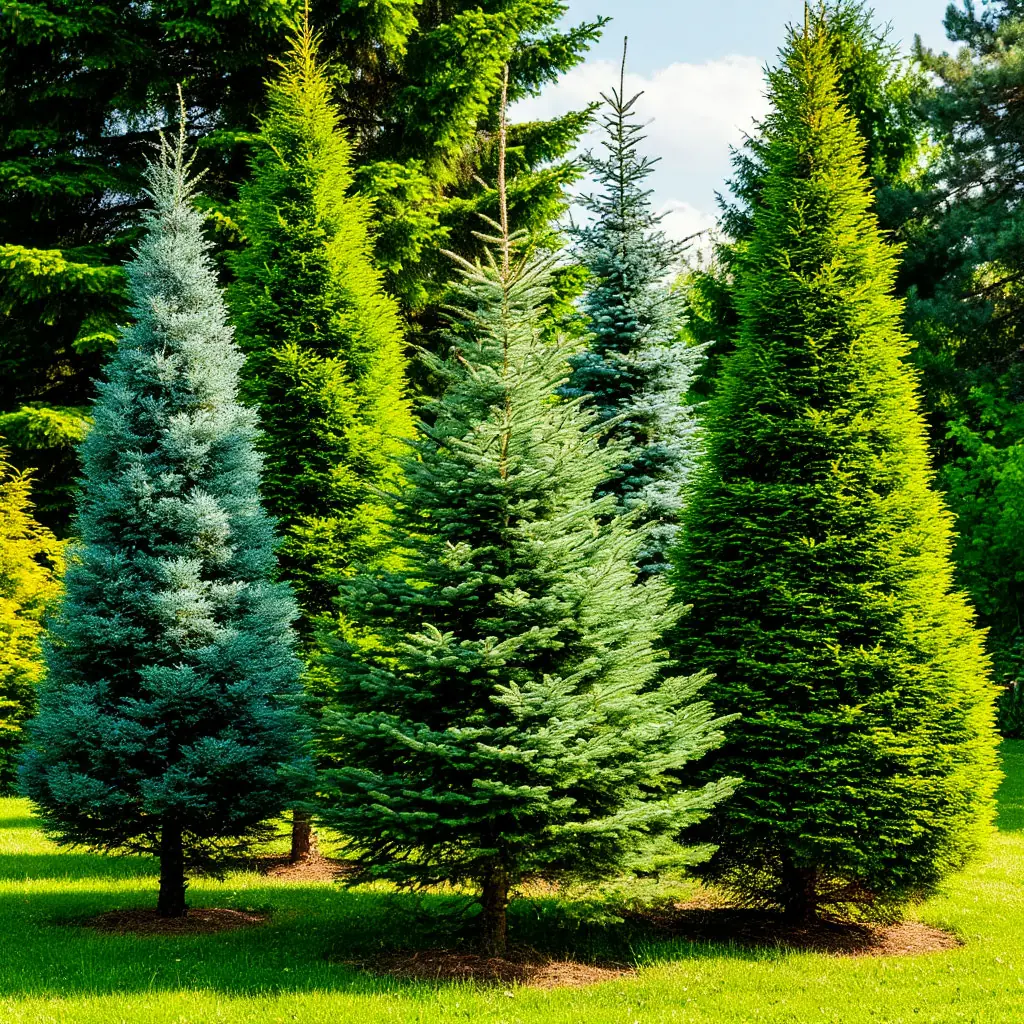
The Top 5 Pine Varieties Resistant to Common Diseases
Gardeners seeking dependable options find these five specimens particularly effective against common threats. Each brings unique traits suitable for home landscapes while requiring minimal maintenance. Experts highlight their adaptability across multiple USDA zones. These five selections are among the strongest-performing disease-resistant pine varieties for many home landscapes in 2025–2026, especially when chosen according to regional climate, yard size, and specific disease pressures
“Always source from nurseries that provide healthy, regionally adapted stock to ensure the best chance of establishment.” – General recommendation from Ty Ty Nursery planting guides
Before diving into the details, it’s helpful to understand why these varieties stand out. All five exhibit good to excellent resistance to one or more of the most common diseases in their native or recommended regions (e.g., blister rust for eastern white pine, fusiform rust for loblolly pine). This makes them suitable for homeowners looking for relatively low-maintenance evergreens once established in sites of appropriate size and location.
Spotlight on Hardy Selections
Before detailing the top varieties, it’s helpful to understand why these specimens are exceptional for home landscapes. Each has unique strengths that make it a reliable choice for resisting pine tree diseases USA and promoting evergreen tree health. Gardeners can match selections to yard size, climate, and aesthetic goals.
- Eastern White Pine: Naturally resistant to blister rust and some needle blights, growing up to 80 feet in zones 3–8. Soft needles and moderate growth make it a classic choice.
- Bosnian Pine: Strong resistance to pests and fungi. Reaches 20–40 feet in zones 4–7. Its compact size suits smaller yards.
- Limber Pine: Tolerates drought and root challenges, maturing to 30 feet in zones 4–7. Requires full sun and well-drained soil.
- Ponderosa Pine: Defends against bark beetles and rust, especially in western states, reaching 60 feet in zones 3–7.
- Loblolly Pine: Thrives in southern humidity, resistant to fusiform rust, grows up to 90 feet in zones 6–9.
These varieties can offer homeowners excellent long-term benefits in terms of longevity and reduced maintenance costs in medium- to large-sized spaces. Provided they are planted with adequate spacing, receive full sunlight, and have proper drainage, they can create visually appealing evergreen landscapes for decades to come. Selecting the best pine trees for landscaping 2026 ensures optimal performance and disease resilience.
Comparing Key Features
Before selecting a specimen, it’s useful to compare heights, zones, and resistances:
| Variety | Height (ft) | Zones | Key Resistances | Growth Rate |
|---|---|---|---|---|
| Eastern White | 50–80 | 3–8 | Blister rust, needle blight | Medium |
| Bosnian | 20–40 | 4–7 | Pests, fungi | Slow |
| Limber | 20–30 | 4–7 | Drought, root rot | Slow |
| Ponderosa | 60–100 | 3–7 | Beetles, rust | Medium |
| Loblolly | 60–90 | 6–9 | Fusiform rust, wilt | Fast |
This table helps homeowners choose the best options for their yards. Compact spaces benefit from Bosnian or Limber Pines, while larger properties suit Ponderosa or Loblolly.
“Genetic resistance to fusiform rust in southern pines and white pine blister rust in white pines represents two contrasting pathosystems, with ongoing breeding efforts showing promising gains in survival rates.” Richard A. Sniezko, US Forest Service Geneticist and renowned expert in forest tree resistance breeding (Sniezko et al., 2014, Forests journal).
Planting and Care Tips
To maximize success, each variety needs specific planting and care approaches. Paying attention to soil, sunlight, and spacing prevents problems down the line and supports disease resistant pine trees.
- Eastern White: Dig holes twice the root ball width, water weekly the first year.
- Bosnian: Prefers rocky, well-drained sites. Trim dead tips annually.
- Limber: Plant in full sun, mulch with bark.
- Ponderosa: Space widely, fertilize lightly in spring.
- Loblolly: Handles clay soils, stake young saplings against wind.
Mixing varieties creates diverse hedges or screens. These specimens deter deer naturally with resinous scents and establish easily when planted with care. Homeowners looking for low maintenance pine trees often combine multiple types for added visual appeal and disease protection.
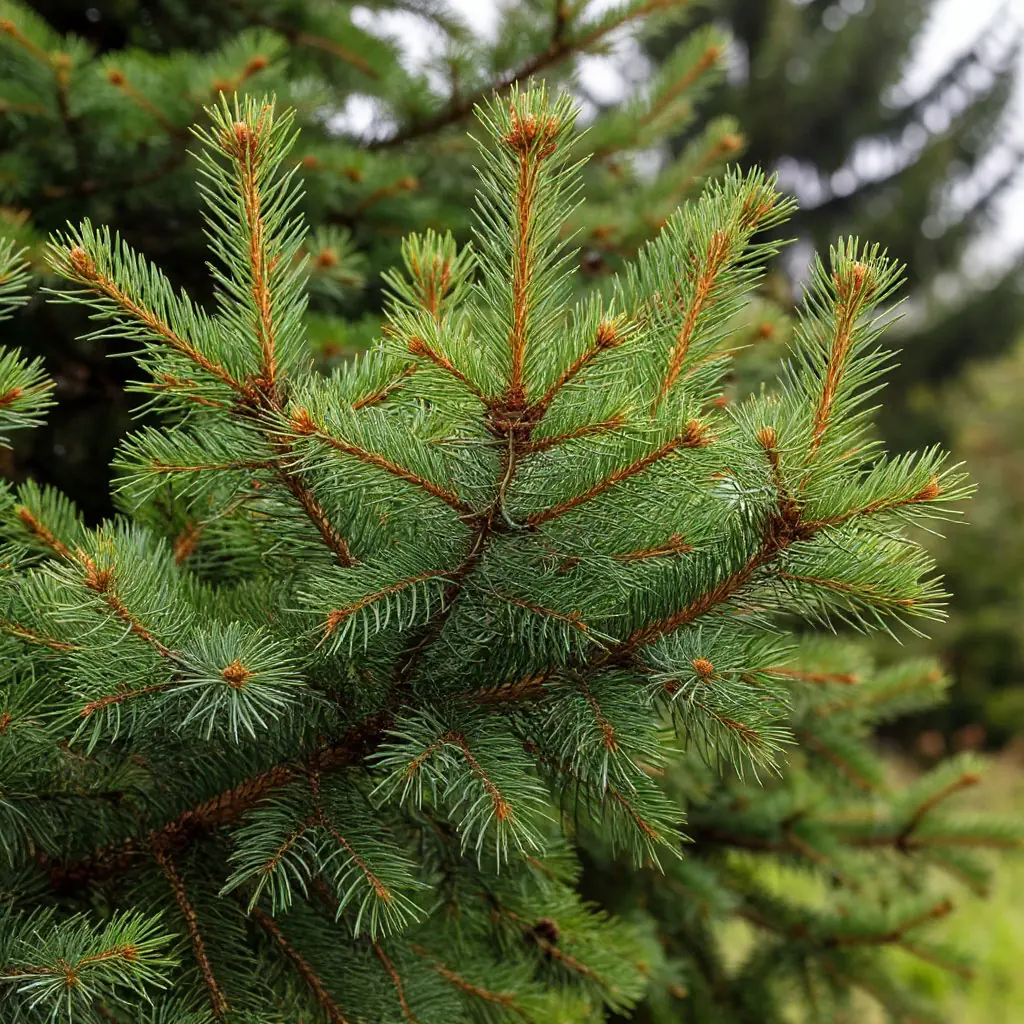
How to Identify and Prevent Pine Diseases
Early detection is essential to maintain evergreen tree health in U.S. yards. Frequent monitoring helps prevent serious problems. Experts focus on pine tree diseases USA and emphasize the importance of vigilance for disease resistant pine trees.
Recognizing Warning Signs
Knowing what to look for allows homeowners to act before serious damage occurs. Observing early symptoms supports evergreen tree health and reduces the need for intensive treatment of pine tree diseases USA.
- Needles browning at tips may indicate needlecast.
- Wilting branches signal pine wilt, often fatal in eastern states.
- Orange pustules suggest rust infections.
- Soft or mushy bases point to root rot from poor drainage.
- Resin oozing from trunks indicates pitch canker.
Early recognition ensures timely intervention and healthier landscapes overall.
Step-by-Step Prevention Strategies
Preventing disease is easier than curing it, especially for disease resistant pine trees. Regular monitoring and proactive steps protect your yard and reduce stress on the specimens.
- Scout weekly for off-color needles or unusual growths.
- Remove infected branches with sterilized tools.
- Apply copper-based fungicides early in the season.
- Thin dense areas to improve airflow.
- Adjust soil pH to 5.5–6.5 for optimal health.
- Avoid overhead watering to reduce leaf wetness.
Organic options like neem oil manage minor fungal issues naturally. Treating early preserves both appearance and long-term plant health. Homeowners looking for the best pine trees for landscaping 2026 find that combining proper planting with preventative care yields the strongest results.
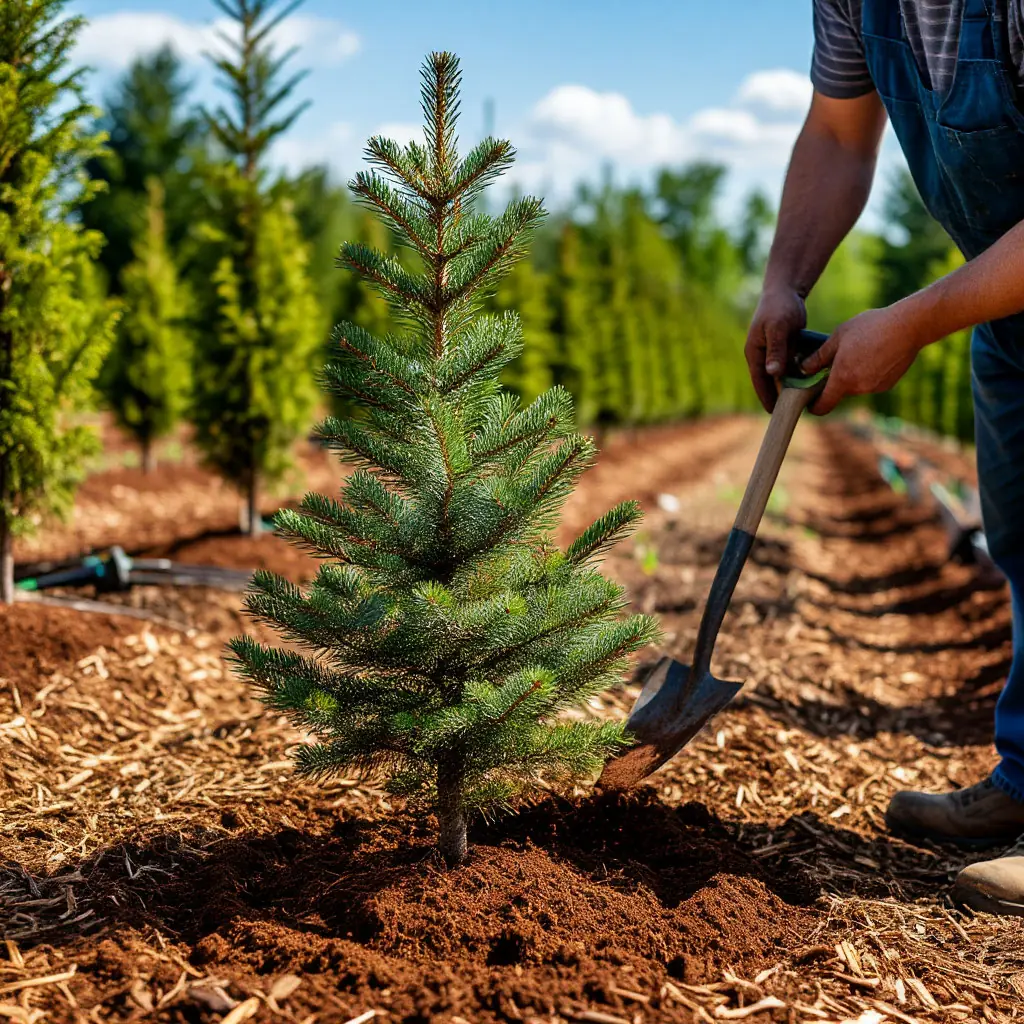
Best Planting Practices for Healthy Growth
Proper planting ensures strong, long-lasting pines. Location, soil, and spacing influence overall vigor. Following expert guidance supports evergreen tree health while minimizing risk from pine tree diseases USA.
Detailed Planting Guide
Planting specimens correctly from the start makes a major difference in survival and growth. Following expert steps ensures strong low maintenance pine trees that remain disease-resistant.
- Dig holes twice as wide as the root ball but same depth.
- Loosen roots if container-bound.
- Place specimen straight; backfill with native soil.
- Water thoroughly to settle soil.
- Apply 3-inch mulch, keeping it away from the trunk.
- Stake young saplings if exposed to wind; remove after one year.
Deep weekly watering in the first season supports root establishment. Fertilization should begin after the second year. Correct planting reduces disease risk and boosts evergreen tree health.
Where to Buy Disease-Resistant Pines in the U.S.
Sourcing quality specimens simplifies home landscaping projects. Reputable nurseries provide certified, healthy stock. Buyers have options both online and locally. Expert advice ensures that disease resistant pine trees purchased will thrive.
Trusted Nurseries and Suppliers
Starting with healthy stock is critical for disease resistant pine trees. Choosing the right source ensures specimens will thrive in local climates and avoid early disease issues.
- ArborGen: Advanced genetics for southern pines.
- Ty Ty Nursery: Ships Longleaf varieties nationwide.
- Chief River Nursery: Red Pine seedlings for northern climates.
- FastGrowingTrees.com: Container-grown evergreens with fast delivery.
- Local nurseries: Offer zone-specific selections recommended by extension offices.
“Buying from certified nurseries ensures specimens arrive healthy and adapted to your local climate, reducing the chance of early disease,” recommends Sarah Kim, Ty Ty Nursery Horticulture Manager.
Tips for Purchasing Success
Buying the right specimen sets the stage for a thriving yard and supports low maintenance pine trees for years. Paying attention to quality and origin minimizes disease risk.
- Inspect needles for vibrant color and roots for firmness.
- Match origin to your local climate.
- Opt for saplings under six feet for easier handling.
- Ask about warranties or guarantees.
- Prioritize health over cost; specialty nurseries offer higher quality than big-box stores.
While saplings start as low as $50–$100, mature 20-foot pines can range from $1,200 to over $5,000 depending on variety and delivery — investing in certified disease-resistant stock pays off long-term. Reliable sources guarantee strong establishment and long-term yard success.
FAQ
How do disease resistant pine trees differ from regular ones?
They have traits that fight common issues like rust or wilt, needing less chemical intervention.
Why choose low maintenance pine trees for 2026 yards?
They save time, water, and effort while keeping landscapes lush during unpredictable weather.
What makes Bosnian Pine ideal for small spaces?
Compact size, strong defenses, and slow growth suit urban or tighter yards.
How can homeowners spot early pine tree diseases USA?
Look for yellowing needles, resin leaks, or branch dieback; remove affected parts promptly.
Which specimen handles wet regions better, Eastern White or Loblolly?
Loblolly tolerates humid soils; Eastern White prefers well-drained locations.
Disease resistant pine trees transform home landscapes with minimal effort. These top five selections deliver beauty, resilience, and easier upkeep for U.S. gardens. Choosing the right variety for your climate ensures lasting green spaces. Homeowners should visit a reputable nursery and begin planting. Proper choices and care provide thriving yards and low maintenance pine trees that maintain evergreen tree health for years to come. Selecting the best pine trees for landscaping 2026 ensures maximum success with minimal stress. Take the next step now: download the booklet and keep it handy when you shop or mark planting spots.

Sources
- Sniezko, R. A., Smith, J., Liu, J.-J., & Hamelin, R. C. (2014). Genetic Resistance to Fusiform Rust in Southern Pines and White Pine Blister Rust in White Pines—A Contrasting Tale of Two Rust Pathosystems—Current Status and Future Prospects. Forests, 5(9), 2050–2083.
- Johnson, J. S., & Sniezko, R. A. (2021). Quantitative Disease Resistance to White Pine Blister Rust at Southwestern White Pine’s (Pinus strobiformis) Northern Range. Frontiers in Forests and Global Change, 4, 765871.
- Florida Department of Agriculture & Consumer Services. (2025–2026). Pricing for Tree Seedlings. Pricing for Tree Seedlings
- LawnStarter. (Updated December 27, 2025). How Much Does it Cost to Plant a Tree in 2026? Cost to Plant a Tree in 2026