Best Evergreen Trees for Privacy and Year-Round Interest in 2026
Updated in 2026
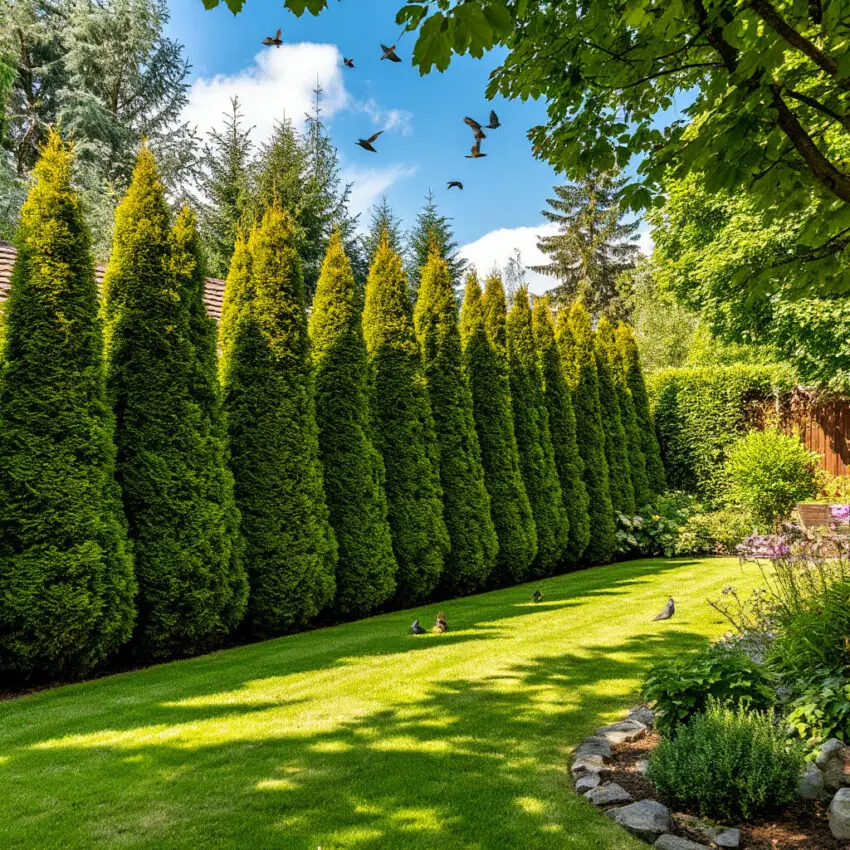
In suburban residential areas with moderate wind and noise levels, consider using the best evergreen trees for privacy in 2026. Not only can they block neighbors’ views, but they can also reduce street noise, protect against strong winds, and provide a safe habitat for birds and pollinating insects, especially in mature hedges that have developed dense foliage after 5-7 years of growth. Experts from the Arbor Day Foundation note that demand for evergreen trees that provide privacy continues to grow as climate conditions change.
More people want outdoor areas that feel private without relying on fences alone. Let’s look at the best options, planting tips, and cost analysis that will matter most in 2026. For your convenience, we provide a step-by-step guide to planting right away. Stick around for a downloadable privacy checklist—species picks, spacing that closes fast, and layouts that actually work.
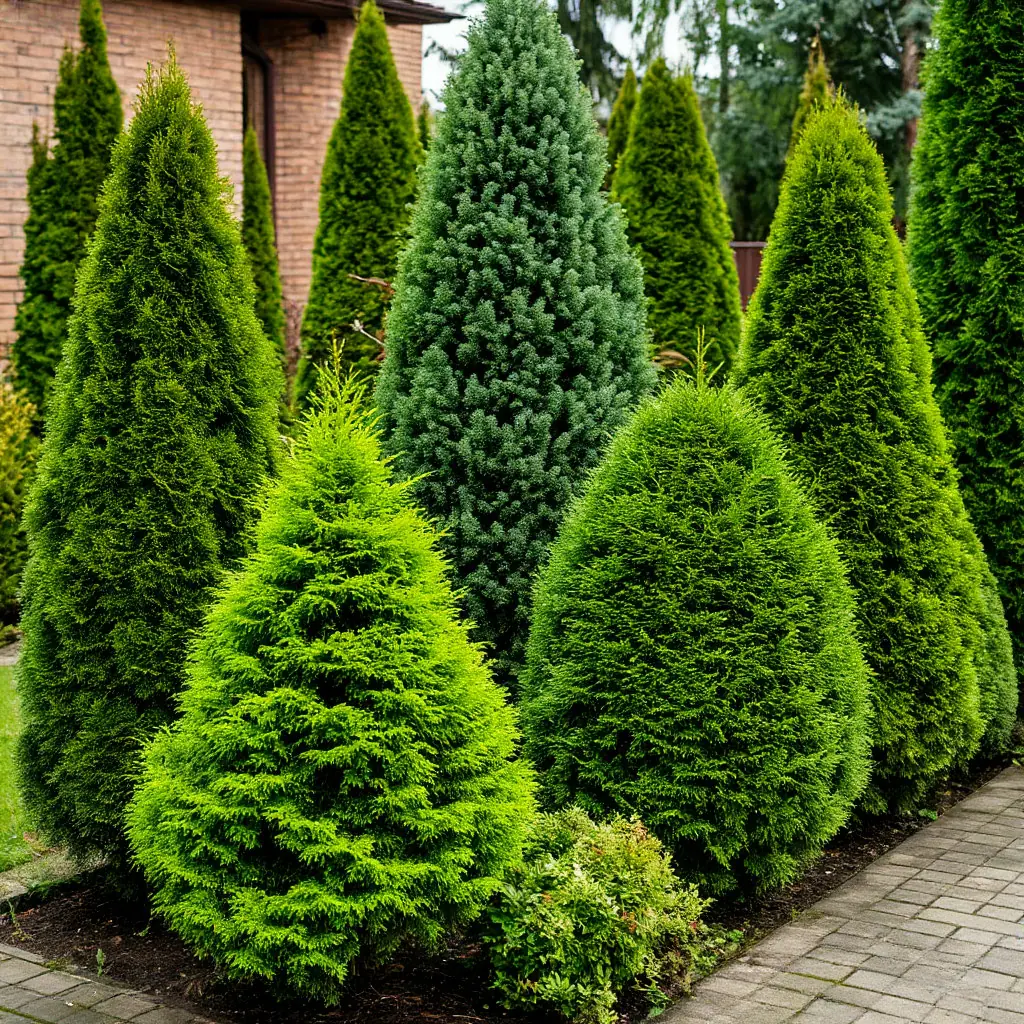
Why Evergreen Trees Are Still the Top Choice for Privacy
Evergreen trees can provide unparalleled privacy, maintaining a year-round green cover in suburbs or cities. This is especially important in residential landscaping projects, where permanent foliage is needed to screen views from neighbors or streets. This is especially true after they reach maturity, 3-5 years after planting.
What Sets Them Apart in Screening
Tree experts highlight their density and fast growth. A study found that trees and shrubs can reduce noise by five to 10 decibels (approximately 50% to the human ear). (1992, Missouri Agroforestry Center).
Evergreens provide structure and color year-round, softening hard landscapes and enhancing biodiversity.” Said by Linda Chalker-Scott, Extension Urban Horticulturist and Professor at Washington State University, ISA certified arborist.
For example, Canadian Hemlocks grow tall in shaded conditions, while holly provides glossy leaves and bright berries. Both combine beauty with resilience.
To see real examples of how evergreen hedges can enhance your backyard privacy, check out this video on top trees and shrubs for screening.
Practical Care Insights
Most evergreen trees used for hedges thrive in USDA zones 3–9 in temperate climates with well-drained soil and moderate rainfall. This is suitable for small and medium-sized gardens, but only after the initial establishment stage, when young trees are protected from extreme temperature fluctuations. Thuja and spruce varieties, in particular, show strong resistance to common pests and diseases, reducing the need for chemical treatments.
Testing soil pH before planting helps prevent nutrient imbalances that can weaken growth and slow development. Additionally, applying mulch around the base of the trees stabilizes root temperatures, protecting them from both extreme heat in summer and freezing conditions in winter.
Common Homeowner Questions
- Can evergreen privacy trees survive heavy snow? Yes, but pruning in spring prevents branches from snapping under weight.
- Do they need fertilizer every year? A balanced mix in early spring is enough. Overfeeding encourages weak growth.
- What if the yard is mostly shaded? Hemlock and yew adapt well to lower light.
These qualities explain why evergreen landscape privacy screens could be the optimal solution in mild suburban climates in 2026. They combine aesthetics and functionality in a way that fences or walls don’t always achieve, especially in the case of mature plantings that were integrated into the landscape more than 10 years ago.
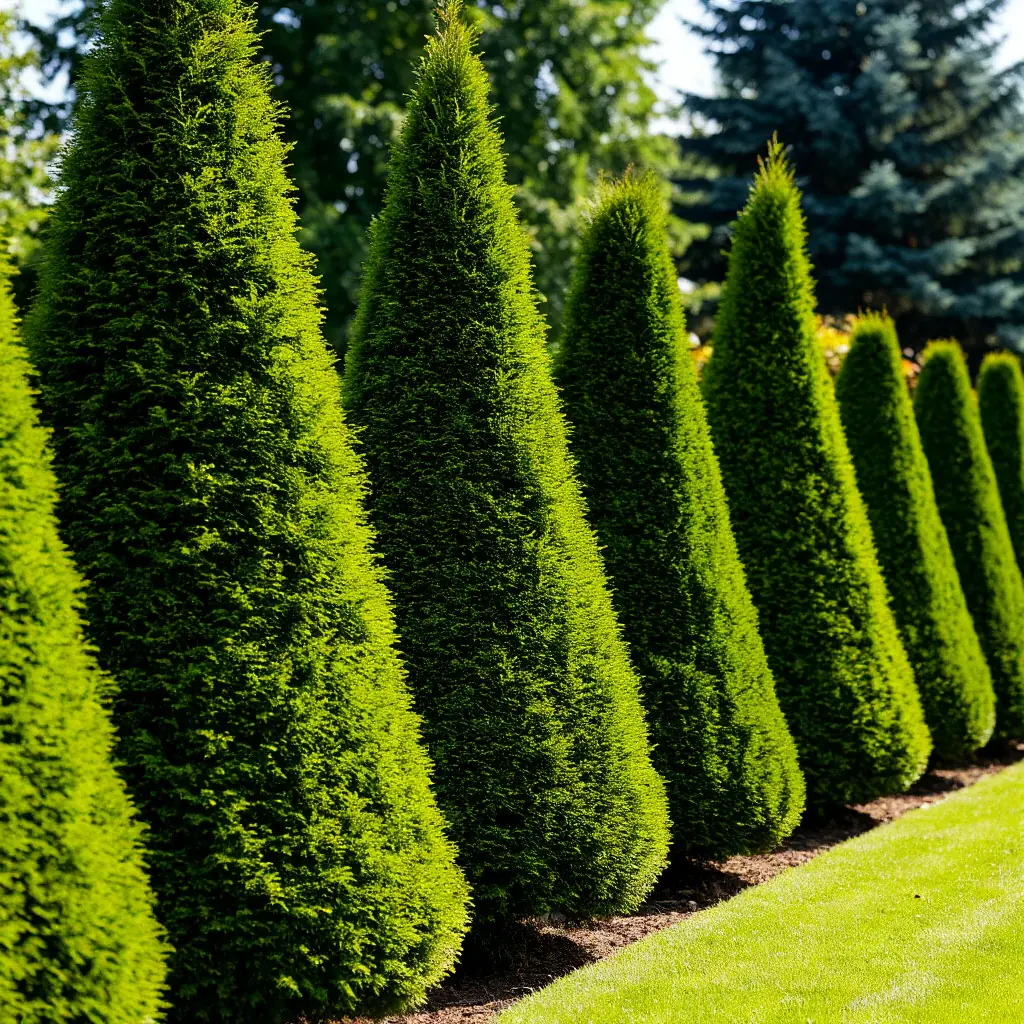
Top 5 Evergreen Varieties for Instant Privacy (2026 Picks)
The best evergreen hedges for 2026 can be those that grow quickly, adapt to different climates in temperate zones with adequate moisture, and provide effective screening in residential privacy projects, particularly once they fill in after 3–5 years.
Garden centers report strong demand for improved hybrids bred for disease resistance and drought tolerance. With the right pick, homeowners can enjoy noticeable privacy within just a few seasons. Selecting the best evergreen trees for privacy 2026 helps homeowners achieve instant screening and year-round appeal.
Before diving into our top picks, watch this quick video guide on selecting the best evergreen trees for privacy to visualize how they can transform your yard.
Standout Choices and Their Features
- Thuja Green Giant – Known for its speed, adding 3–5 feet of growth per year in zones 5–9. Tolerates drought once established.
- Leyland Cypress – A southern favorite that soars to 50 feet tall. Dense enough for windbreaks and great for larger properties.
- Emerald Green Arborvitae – Compact, topping at 15 feet, making it ideal for smaller suburban yards. Low maintenance and cold-hardy.
- Canadian Hemlock – Grows gracefully in partial shade and adapts to acidic soils. Excellent choice for woodland-style yards.
- American Holly – Adds ornamental red berries and glossy leaves. Resistant to most pests and supports bird habitats.
“Leyland Cypress creates a dense, fast-growing barrier that quickly turns an open yard into a private oasis.” Said by Michael Vergason, landscape architect and designer of the American Veterans Disabled for Life Memorial (expert in tree use for privacy).
Choosing the Right Fit for Your Yard
When selecting from these top five:
- Consider soil type: sandy, loamy, or clay-heavy.
- Match to your sun exposure: full sun vs partial shade.
- Think about maintenance level: fast growers need more pruning.
- Always check hardiness zones before planting.
These best evergreen trees for privacy 2026 deliver quick results without sacrificing long-term health.
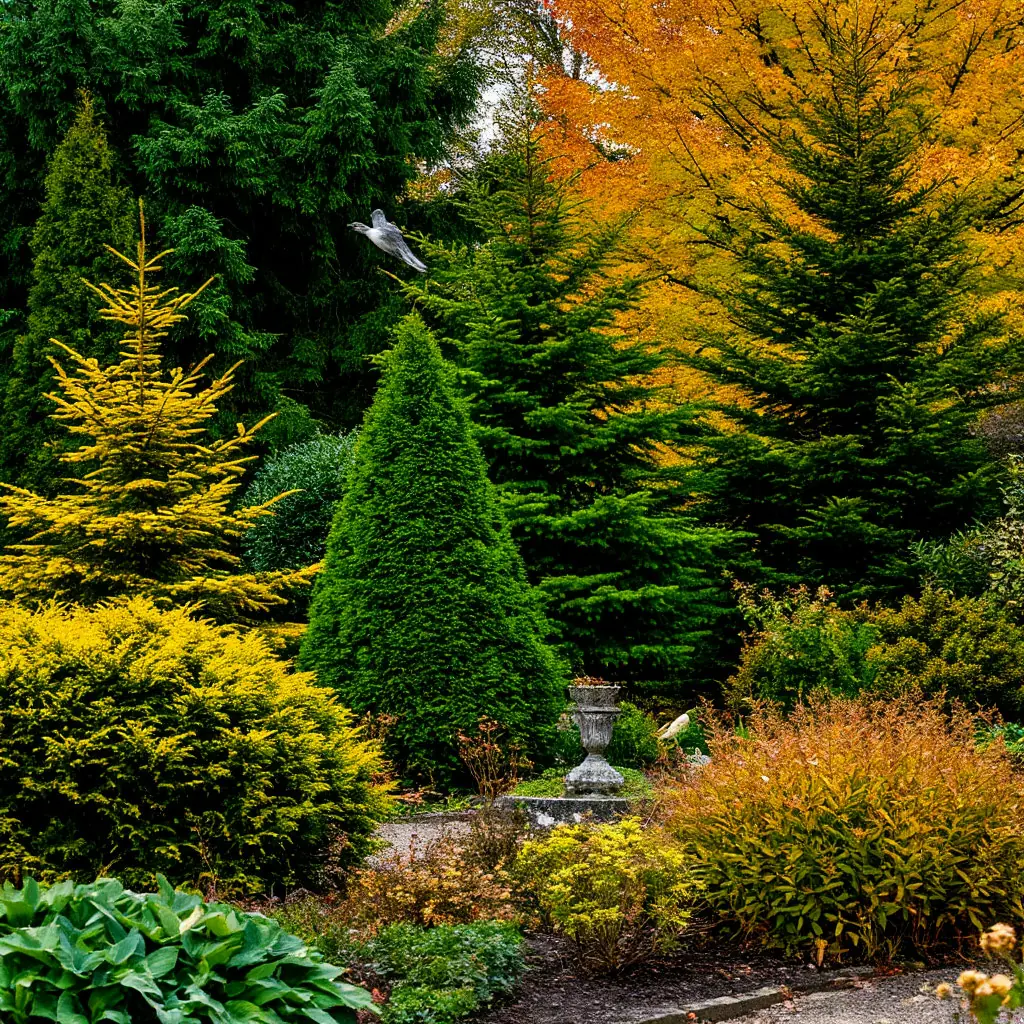
Year-Round Color and Structure: Evergreen Tree Benefits
Evergreen trees maintain visual appeal through every season in temperate climates without the serious risk of balding. This trait is especially valuable once they reach maturity for garden plots, especially once they reach maturity and develop dense foliage.
Why They Enhance Visual and Ecological Value
Botanists emphasize their role as steady anchors in garden design. Their needles and leaves range from deep emerald to silvery blue. A study showed that gardens with diverse plants, including evergreens, support higher invertebrate abundance and biodiversity. (2024, Scientific Reports, Nature.com). White Pines, for example, soften landscapes with their airy needles, while junipers add rich texture in tight spaces. Beyond aesthetics, evergreens support local ecosystems by providing year-round shelter for birds and pollinators, reducing soil erosion, and improving air quality in urban areas.
Tips for Maximizing Appeal
To create a visually engaging evergreen privacy hedge, mix trees of different heights and shapes to prevent a monotonous appearance. Hemlocks work well in shaded corners, adding a soft texture to the landscape, while holly planted near patios provides bright color contrast during winter months.
Deep watering throughout the first year is essential for establishing strong, healthy roots. Light pruning each spring helps maintain shape and encourages fuller, denser growth, ensuring the hedge remains attractive and functional year-round.
Evergreen Benefit Comparison Table
| Variety | Color/Features | Structural Perks | Growth Rate (ft/year) | Hardiness Zones | Maintenance Needs |
| Thuja Green Giant | Bright green, fast | Dense pyramidal form | 3–5 | 5–9 | Moderate pruning |
| Leyland Cypress | Blue-green, tall | Column-like barrier | 3–4 | 6–10 | High pruning |
| Emerald Green Arborvitae | Deep emerald, compact | Narrow upright shape | 1–2 | 4–8 | Low maintenance |
| Canadian Hemlock | Dark green, soft needles | Graceful branches | 1–2 | 3–8 | Needs moist soil |
| American Holly | Glossy dark leaves, berries | Rounded shape | 1–2 | 5–9 | Light pruning |
These trees can create beauty and stability that few other plants may match in suburban yard contexts with consistent care, suitable for long-term residential landscaping projects, in mature phases where they have outgrown initial vulnerabilities.
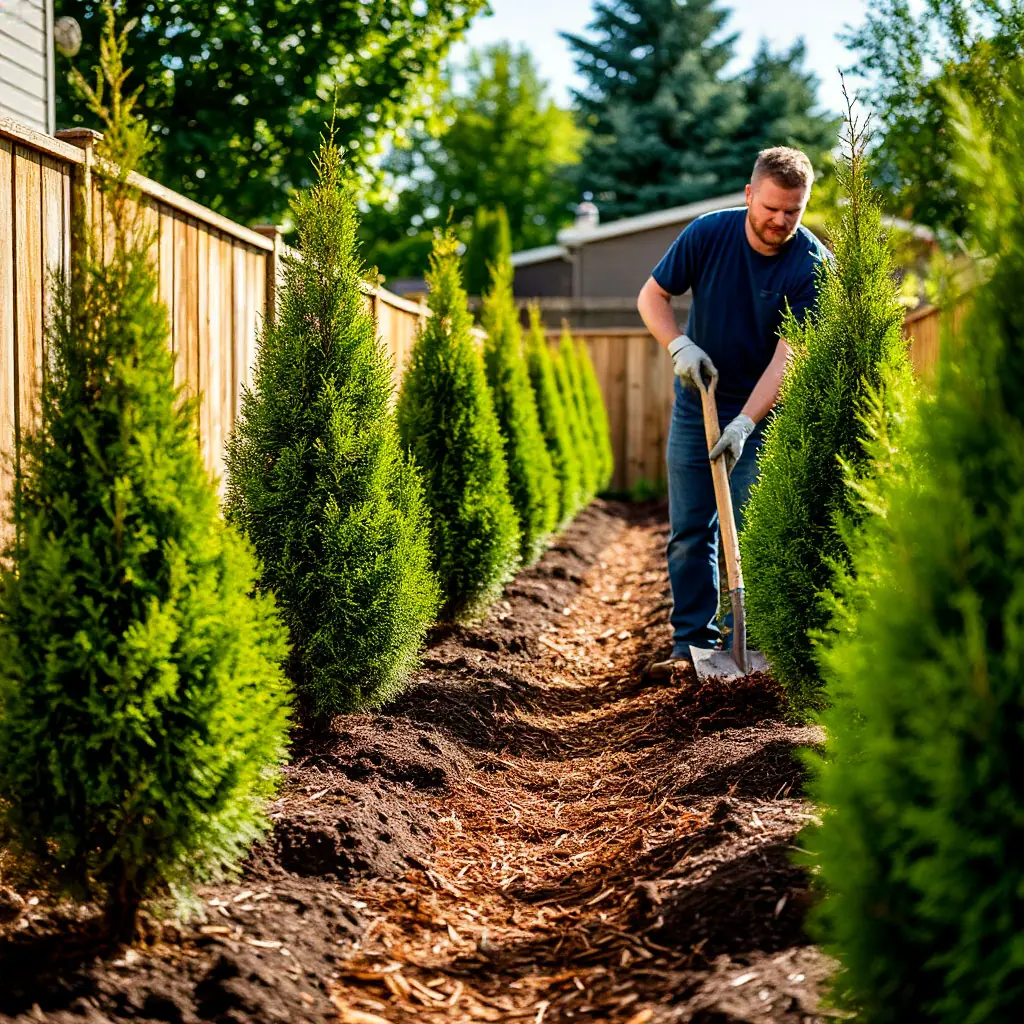
Planting Tips for Dense Privacy Hedges
A thriving evergreen hedge begins with proper planning and care. The best evergreen trees for privacy 2026 need the right soil, spacing, and aftercare to reach full potential. Without preparation, gaps form and coverage takes longer.
Preparing the Perfect Site
Selecting the right location and preparing the soil properly is the foundation for a healthy evergreen privacy hedge. Soil quality, sunlight, and exposure to wind all influence how quickly trees establish and how dense the hedge becomes. By addressing these factors before planting, homeowners can avoid common issues like poor growth, weak roots, or leaning trees. Consider the following steps to create optimal conditions for your evergreens:
Test soil pH and adjust with lime or sulfur. Improve heavy clay with compost and sand for better drainage. Pick a location with at least 6 hours of sunlight for faster growth. For windy areas, choose sturdy species like spruce or fir.
Step-by-Step Planting Guide
Planting evergreen privacy trees correctly from the start ensures they grow into a dense, uniform hedge that lasts for decades. Each step matters, from preparing the soil to aligning the trees, because mistakes in the beginning are hard to fix later. With the right spacing, soil care, and watering routine, homeowners can establish a healthy screen that thrives with minimal problems in the future.
Phase 1: Preparation & Layout
Before you dig, ensure the site is safe and ready to support healthy growth.
- Safety First: Call a utility locate service to mark underground lines. Mark your property lines clearly.
- Map the Route: Sketch the hedge route. Snap a straight layout line using string and stakes. On slopes, use a level to set a consistent top line for the hedge.
- Check Spacing: Adhere to variety-specific spacing (e.g., 3–4 ft for arborvitae, 5–6 ft for hemlock, 6–8 ft for Leyland cypress).
- Test Drainage: Dig a test hole and fill it with water. If it holds water after 24 hours, amend the soil or install a simple French drain before planting.
Phase 2: Digging & Placing
Proper planting depth is critical—planting too deep is the #1 cause of tree failure.
- Hydrate Roots: Water container plants thoroughly the day before planting to ensure the root ball is hydrated.
- Digging the Hole: Dig each hole 2–3 times wider than the root ball but no deeper than the root flare. Roughen the sides of the hole with a shovel so roots can penetrate the soil walls.
- Root Preparation: Lift the plant by the root ball (never the trunk). Tease out circling roots and make 3–4 vertical slices about ½ inch deep to encourage outward growth.
- Positioning: Set the tree so the root flare is at or slightly above the surrounding grade. Face the “best side” of the tree toward the primary view. Re-check alignment from the end of the row before filling.
Phase 3: Filling & Stabilizing
Eliminate air pockets and set the tree up for stability.
- Backfilling: Fill with native soil blended with 20–30% finished compost. Do not put fertilizer directly in the planting hole.
- Settling the Soil: Water halfway through backfilling to settle the soil, then finish filling. Gently heel around the root ball to remove air pockets.
- Mulching: Build a shallow watering berm around the dripline. Apply a 2–3 inch layer of mulch, keeping it 3–4 inches away from the trunk to prevent rot.
- Staking: Only stake if the area is very windy. Use two stakes with soft, flexible ties, and remove them after one growing season.
Phase 4: Critical Aftercare
- The first few weeks determine survival. Stick to this schedule.*
- Watering Schedule:
- Days 1–14: Water daily if there is no rain.
- Weeks 3–12: Water every 2–3 days.
- Rest of Year 1: Water weekly.
- Pro Tip: Install drip irrigation or a perforated ring for slow, deep watering.
- Pruning & Feeding: Make a light top-and-side pinch to encourage branching (leave the central leader intact). Feed lightly in the early spring of year two with a slow-release formula.
- Protection: Protect new plants with deer fencing if browsing is common. In winter-prone zones, wrap trunks to prevent sunscald.
Use this planning table to customize your privacy hedge.
| Yard Length (ft) | Spacing per Tree (ft) | Number of Trees Needed | Estimated Cost ($ per Tree) | Total Cost |
|---|---|---|---|---|
| [Enter your length] | e.g., 5-6 for Hemlock | =Yard Length / Spacing | e.g., $40-60 | =Trees * Cost |
| Fill in your details to get a quick estimate before purchasing.” |
Ongoing Maintenance Checklist
Regular care keeps evergreen privacy trees healthy and dense. During summer, it is important to check for pests such as bagworms, which can weaken growth if left untreated. Light trimming once or twice a year helps maintain a clean shape and encourages fuller foliage.
Mulch should be changed annually as it protects the roots from extreme temperatures and retains soil moisture. To improve watering efficiency and provide deep moisture, one of the most effective long-term solutions is a drip irrigation system. There are creative ways to use mulch in an eco-friendly way in landscaping.
With these steps, a hedge can thicken quickly and last for decades in well-prepared sites with moderate climates, appropriate for typical backyard hedge projects, during the progression from establishment to full maturity over 10–20 years.
Cost vs Performance: Best Value Privacy Evergreens
Finding balance between affordability and long-term performance is crucial. Some evergreens cost more upfront but save money later by reducing upkeep or energy bills. Prices in 2026 range widely, depending on tree size and source.
Comparing Common Options
When choosing the best evergreen hedges for your yard, it helps to understand the differences between common varieties. Each type varies in growth rate, mature height, shape, maintenance needs, and adaptability to soil or climate conditions.
By comparing these key factors, homeowners can select a hedge that provides reliable privacy, visual appeal, and long-term value. The following options highlight popular choices in 2026 for quick screening and year-round interest:
- Thuja Green Giant – Grows 3–5 feet a year in zones 5–9.
- Leyland Cypress – Tall, dense, and ideal for larger properties.
- Emerald Green Arborvitae – Compact, topping at 15 feet.
- Canadian Hemlock – Thrives in partial shade with soft foliage.
- American Holly – Decorative with red berries in winter.
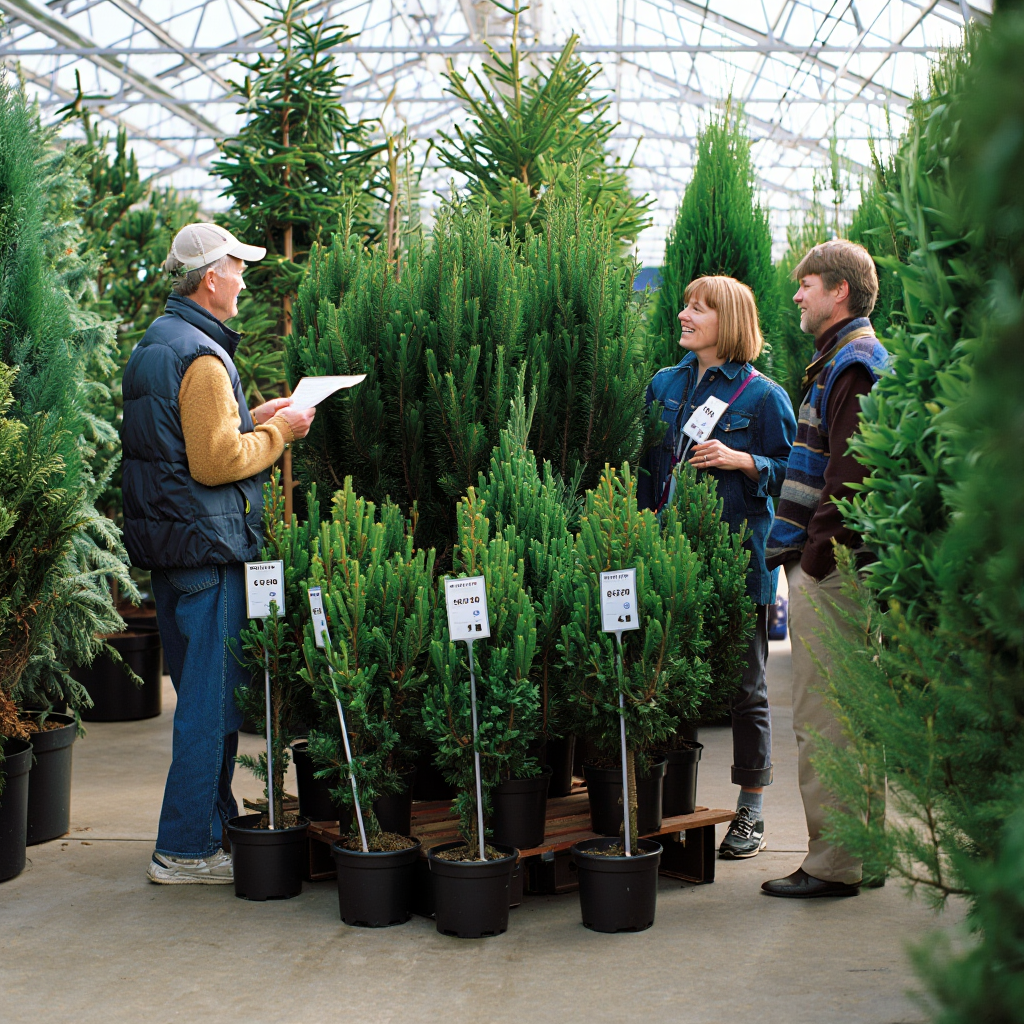
In 2026, expect to pay around $35-55 for a 3-5 ft Thuja Green Giant, $40-60 for Leyland Cypress, and $35-50 for Emerald Green Arborvitae, based on size and nursery. Bulk purchases can reduce costs by 20-30%. Always check local suppliers for shipping and installation fees to get the best value.
Budget-Saving Strategies
Homeowners can reduce costs while establishing a high-quality evergreen privacy hedge by planning carefully. Buying smaller trees in bulk often provides significant long-term savings, as the plants grow into dense coverage over time. Installing a drip irrigation system helps conserve water while ensuring the roots receive deep, consistent moisture.
Choosing pest-resistant hybrid varieties minimizes the need for chemical treatments, reducing both effort and expense. Strategic placement of trees as windbreaks not only strengthens the hedge but can also lower heating bills during winter months. By combining these approaches, a smart investment with exceptional longevity compared to temporary solutions.
These practices ensure that evergreen privacy trees remain a smart investment. A fence may last 15 years, but evergreens thrive for decades with the right care.
FAQ
How do you protect evergreen privacy trees in harsh winters?
Wrap young trees in burlap and water deeply before the ground freezes. This protects roots and prevents dehydration.
Why pick arborvitae over cypress for small yards?
Arborvitae grows narrower and requires less pruning, making it perfect for compact spaces.
What’s better for wet soils among the best evergreen hedges 2026?
Bald Cypress adapts well to soggy ground, while most pines struggle in saturated conditions.
Do evergreens help wildlife throughout the year?
Yes. They provide shelter, nesting spots, and food like berries, supporting birds and small mammals all year.
How long before a hedge gives real privacy?
With fast growers like Thuja Green Giant, expect solid screening within 3–5 years in sunny, fertile contexts, best for medium-sized residential yards, during the active growth phase from planting to semi-maturity. Slower types like holly take longer but offer richer seasonal interest.
From the rapid growth of Thuja Green Giant to the seasonal flair of American Holly, these trees meet different yard needs while staying practical. They improve property value, reduce noise, and create year-round interest for both people and wildlife.
Homeowners planning a new hedge should start with soil testing, smart spacing, and consistent aftercare. Local nurseries remain the best place to find varieties tailored to each region. With thoughtful planting, an evergreen landscape privacy screen transforms a backyard into a private retreat.
Now is the right time to plant. These trees grow quickly, adapt well, and deliver lasting seclusion. Choose your variety, prepare the ground, and enjoy the benefits for many years to come. Planting the best evergreen trees for privacy 2026 transforms any backyard into a private, attractive retreat. For clean, comparable quotes, print the checklist and send it with your request today.

Sources
- Noise Reduction Study (1992, Missouri Agroforestry Center). Trees as Noise Buffers.
- Biodiversity Study (2024, Scientific Reports). Urban greening with shrubs can supercharge invertebrate abundance and diversity.
- Linda Chalker-Scott (2023, The Garden Professors). The cardboard controversy.
- Michael Vergason (2017, American Veterans Disabled for Life Memorial). From Vision to Reality.
- Evergreen Tree Costs (2026, FastGrowingTrees.com). Privacy Evergreen Trees for Sale.