How Much Does It Cost to Plant an Evergreen Tree in 2026?
Updated 2026
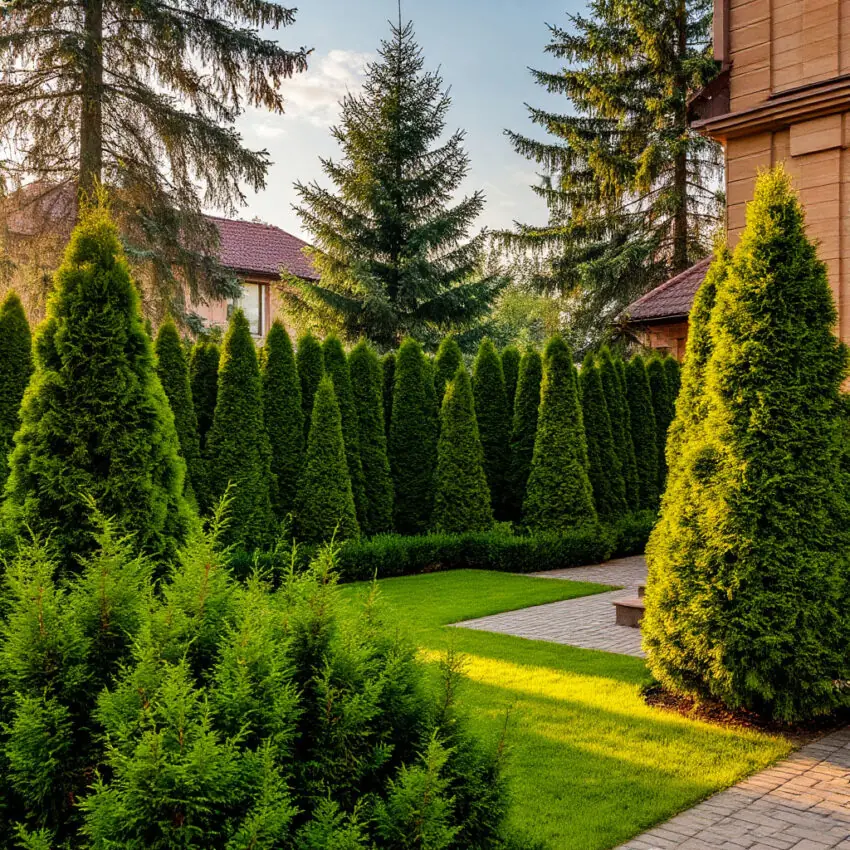
People often wonder about adding greenery to their yards. They consider privacy screens or shade providers that stay vibrant throughout winter. The cost to plant evergreen tree 2026 captures the total expense for buying and installing these long-lasting plants. This figure includes the sapling, labor, and extra services like soil preparation or mulch. Homeowners value evergreens because they improve how the property looks, boost curb appeal, and can lower energy bills by blocking cold winter winds — this works great for houses with yards when you’re planning your landscaping. One study found that for every $1 spent on tree planting and maintenance, urban trees deliver $5.82 in benefits, including energy savings and improved air quality. (2023, The Nature Conservancy).
Understanding these costs helps plan budgets and avoid unexpected surprises. Planning carefully ensures healthy growth and long-term success. Get the true installed price, not just the tag—download the 2026 planting-cost checklist at the end.
Average Cost to Plant an Evergreen Tree in the U.S., 2026
Adding evergreen specimens varies significantly across the United States. Most homeowners pay between $595 and $731 for professional planting of a semi-mature evergreen tree (6–10 ft) in average site conditions. The cost to plant evergreen tree 2026 includes the plant itself, labor, and necessary site work. Larger specimens or specialized species can push the evergreen installation cost above $1,300. Factors like soil type, location, and climate contribute to price fluctuations.
Understanding Price Ranges
A typical project for a medium evergreen (6–10 ft) averages $595–$731 when professionally installed in favorable conditions in 2026. Evergreens themselves range from $20–$350 for small to medium sizes (under 10 ft), but can reach $500+ for larger nursery stock. Industry experts report that inflation, supply chain changes, and seasonal demand slightly increase the tree planting price USA each year.
“When planting a tree, ensure the root flare is visible and the hole is twice as wide as the root ball to prevent costly mistakes like girdling roots that can kill the tree over time.” Said by Basil Camu, Project Manager at Leaf & Limb, a certified arborist with over 20 years in tree care and urban forestry.
A Texas landscaper noted that Leyland cypress demand for privacy hedges can push the evergreen tree planting cost higher. Buying quality stock helps trees survive longer and cuts down on the need to replace them — this is especially true for privacy hedges when you’re picking out the plants. In very harsh desert climates, even good stock might struggle without extra care. Homeowners who choose healthier saplings and inspect root systems often save money over time.
Steps to Plan Your Budget
Planning ahead keeps the cost to plant an evergreen tree in 2026 under control — especially helpful for small backyard projects when you’re setting aside money early. But if you’re dealing with emergency planting after storm damage, you may have less room to plan. Homeowners can follow these practical steps to prepare their space, select the right specimens, and avoid unnecessary expenses:
- Measure the planting area. Record available space, sunlight, and obstacles to determine which sizes fit best.
- Test the soil. Use a pH kit to check nutrient levels and identify deficiencies. Testing your soil properly avoids expensive fixes down the road — this is most useful for home gardens when you’re checking the ground before planting. On big farms with already-improved soil, you might skip this step entirely.
- Select species suited to your climate. Picking evergreens that are already adapted to your area lowers maintenance work and supports healthy growth — this approach shines in eco-friendly yard projects where you’re matching plants to the local environment. In heavily polluted city settings, adaptation alone may not be enough.
- Gather quotes from multiple local services. Getting at least three estimates helps you spot a fair price for tree planting in the USA — this tactic works well for affordable home landscaping when you’re shopping around for contractors. In remote areas with few local options, you might not have that luxury.
- Ask about warranties. Make sure the contract covers labor and plant replacements if something goes wrong — this is smart when hiring professionals and signing paperwork. If you’re doing the planting yourself as a DIY job, this guarantee doesn’t apply.
- Mulch around the base. Mulch helps retain moisture, keep weeds down, and protect young roots while the tree gets established — this is very effective in average climates during the first year after planting. In extremely dry areas without regular watering, mulch alone won’t be enough.
- Plan irrigation and care. Ensure young plants get adequate water and nutrients without overextending your budget.
“Testing soil and choosing species for your region can prevent hundreds in future care costs,” recommends Liam O’Connor, a professional landscaper in Texas.
Following these steps allows homeowners to make informed decisions, save money, and give their evergreens the best chance to thrive.
Use this simple cost calculator table to estimate your total expenses based on your choices.
| Component | Your Estimate ($) | Notes |
|---|---|---|
| Tree Cost (e.g., $20–$500 based on size) | Select from small ($50–$300), medium ($200–$700), large ($400–$2,400) | |
| Labor/Installation | $50–$150/hour; DIY = $0 | |
| Delivery | $50–$1,000 depending on distance | |
| Soil Amendments | $20–$50 per yard if needed | |
| Mulch | $15–$65 per unit | |
| Maintenance (first year) | $400–$800 for pruning, etc. | |
| Total | Sum above for your budget |
In the video, you can watch the process of planting an evergreen tree in a home backyard. The author shares their experience and gives tips on choosing a location, preparing a hole, and caring for the tree after planting.
Cost Breakdown: Small vs. Medium vs. Large Evergreens
Plant size significantly impacts the cost to plant evergreen tree 2026. Smaller specimens suit tight spaces and limited budgets, while medium heights balance visual impact and manageable care. Large specimens offer immediate maturity and aesthetic appeal but increase the evergreen installation cost. Considering long-term maintenance when selecting size can prevent unexpected expenses.
Typical Prices by Size
Before diving into the actual numbers, it helps to have a structured view of what small, medium, and large specimens usually cost. This snapshot prepares homeowners for planning budgets and deciding which heights make sense for their space and needs.
- Small specimens (under 6 ft): $125–$300 including install (suitable for DIY or small yards).
- Medium specimens (6–10 ft): $200–$700 total install cost.
- Large specimens (10–20+ ft): $400–$3,000+ when equipment like cranes or teams is required.
“Larger spruces or pines demand careful handling and equipment rentals to avoid transplant shock,” explains Kevin Li, an arborist in Colorado.
Fast-growing varieties like cypress provide quick coverage. Layering different heights adds depth without overspending. Bulk purchases can reduce the cost to plant evergreen tree 2026 by 10–30%. Homeowners can also save by buying bare-root saplings instead of container-grown specimens for medium heights.
Practical Tips for Size Selection
Selecting the right specimen height is essential for balancing immediate coverage, long-term growth, and cost. The following points summarize what to consider when choosing sizes for your landscape:
- Small specimens work well in confined spaces and reduce initial costs.
- Medium heights offer balance between immediate privacy and manageable care.
- Large specimens create striking impact but need careful handling.
- Consider staking and support for taller specimens to prevent wind damage.
- Layering different heights can provide visual depth and efficient coverage.
“Matching specimen size to yard space and long-term goals avoids unnecessary expenses and maximizes growth potential,” adds Jennifer Marks, a Midwest landscaping consultant.
Proper planning ensures that the chosen size aligns with yard space, budget, and desired aesthetic outcome.
Regional Price Variations (Northeast, Midwest, South, West)
Location influences the cost to plant evergreen tree 2026. Climate, labor rates, and soil conditions differ, affecting both pricing and long-term success. Urban areas typically face higher tree planting price USA due to dense labor and limited space, while rural areas often save on delivery and setup. Regional weather patterns also impact survival rates and maintenance needs.
Comparing Costs by Region
Planting expenses shift depending on climate, soil quality, and demand. A nursery in the Northeast may charge more due to colder winters and extra care required. Meanwhile, in the South, evergreens grow faster, which can lower overall pricing. In these regions, many people choose evergreen trees for year-round interest to keep their landscape full and appealing despite seasonal changes.
| Region | Average Cost Range | Popular Evergreen Types | Key Factors |
|---|---|---|---|
| Northeast | $550–$750 | Pines, Arborvitae | Dense population, high labor |
| Midwest | $500–$650 | Spruces, Junipers | Snow, soil variation |
| South | $450–$600 | Cypresses, Magnolias | Humidity, water needs |
| West | $500–$650 | Cedars, Palms | Arid climate, transport |
“Urban planting often comes with a premium due to restricted space and higher labor costs,” says Rachel Thompson, a Boston landscaping specialist. “Knowing local challenges helps homeowners make better choices.”
Homeowners save by choosing native species and sourcing locally. Early spring plantings can reduce labor costs. Considering water requirements and soil conditions ensures the evergreen installation cost provides long-term value. Coastal or urban buyers may encounter additional charges for imported specimens. Experts also recommend checking local pest patterns, as infestations can raise long-term maintenance expenses.
Professional Installation vs. DIY: Pros, Cons, and Savings Tips
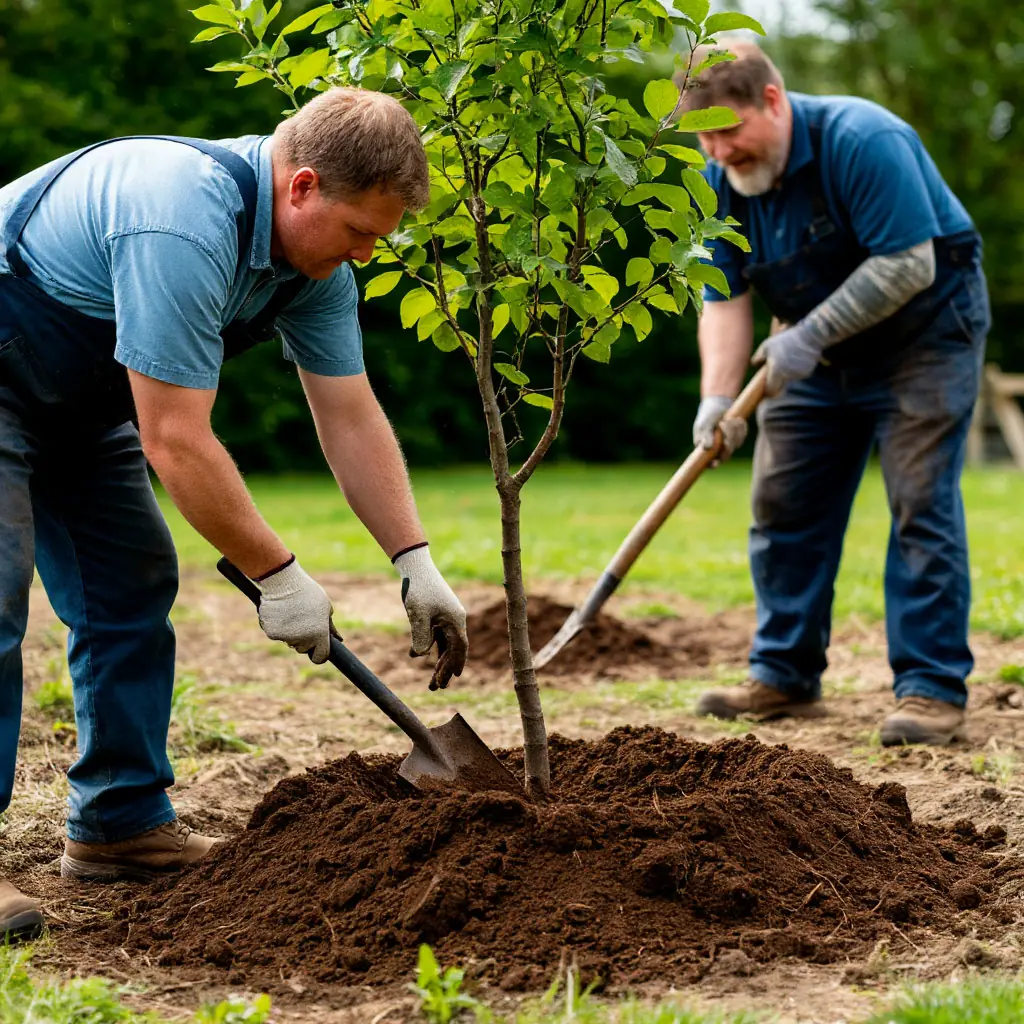
Hiring professionals or handling planting personally impacts the cost to plant evergreen tree 2026. Pros bring skill, tools, and experience, while self-installation saves money but demands knowledge and effort. Decision-making depends on specimen size, terrain, and personal experience.
Expert Recommendations
Professional landscapers typically charge $50–$150 per hour for the evergreen installation cost, handling delicate root systems and heavy lifts.
“Planting trees correctly from the start saves homeowners hundreds in future corrections, as improper depth can lead to root issues that require professional intervention.” Said by Basil Camu, Project Manager at Leaf & Limb, a certified arborist and urban forestry expert with over 20 years of experience in tree care.
Self-planting works best for small specimens, but large heights often need pros. Equipment rentals for oversized specimens may cost as much as hiring experts.
Cost-Saving Tips
Homeowners can follow these practices to balance expenses and protect long-term plant health:
- Hiring professionals for large or complex specimens.
- DIY for small specimens under six feet.
- Mixing professional help with personal effort to save 15–25% on tree planting price USA.
- Checking warranties to cover potential replacements.
- Using local materials to reduce evergreen tree planting cost.
“Combining professional guidance with hands-on effort is often the smartest approach for maintaining budget and tree health,” adds Angela Moreno, a landscape designer in Arizona.
Combining personal effort with expert supervision allows control over budget without compromising long-term health. Researching past project examples can guide homeowners in choosing the right balance.
Hidden Costs: Delivery, Soil Prep, Mulch & Maintenance
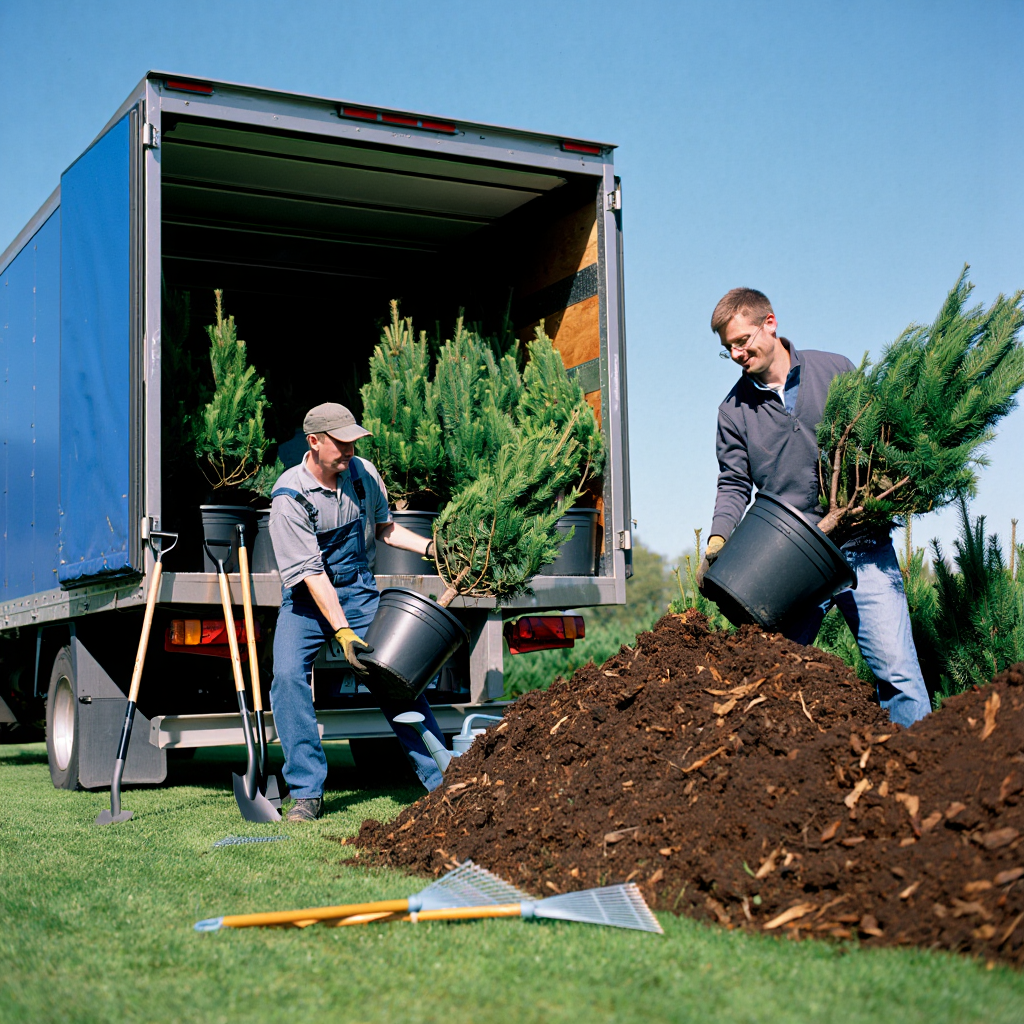
Extra expenses often surprise new plant owners. Delivery can range from $50–$1,000 depending on distance and size. Rocky or poor soil may require amendments costing $20–$50 per yard. Mulch costs $15–$65 per unit, while annual pruning can run $400–$800.
Managing Extra Expenses
Understanding hidden costs allows homeowners to plan budgets and avoid surprises. The following guidance ensures projects stay on track:
- Test soil before planting to anticipate needed amendments.
- Buy mulch in bulk to reduce per-unit expense.
- Install drip irrigation for efficient water usage.
- Schedule semi-annual check-ups to maintain health.
“Accounting for delivery, soil prep, and ongoing maintenance is critical to avoid unexpected budget strain,” says Eric Daniels, an Idaho landscaping expert.
Proactive planning ensures the evergreen installation cost aligns with expectations while protecting long-term vitality. Protect your investment with proper after-planting care during the first season.
FAQ
How does the cost to plant evergreen tree 2026 compare to previous years?
It has risen roughly 5–10% in recent years due to labor increases and supply chain pressures. High-demand seasons and large installations experience the biggest changes. Proper planning and careful selection of suppliers can reduce the impact of annual price increases.
Why choose evergreens over deciduous varieties?
Evergreens provide consistent privacy year-round and support local wildlife. They reduce winter heating bills and maintain curb appeal even during harsh months. Selecting species suited to your climate improves survival and reduces long-term maintenance.
What is better for small yards: professional help or self-installation?
DIY is practical for small specimens under six feet. It saves money and allows hands-on control, but mistakes like burying too deep can double replacement costs. Professionals help with spacing, root depth, and early maintenance, significantly increasing survival rates.
How can homeowners reduce tree planting price USA?
Source locally grown specimens, schedule planting in off-peak seasons, and compare multiple quotes. Bulk orders and proper soil preparation also cut ongoing maintenance expenses. Efficient layout and irrigation reduce long-term costs while ensuring healthy growth.
What is the best way to manage evergreen installation cost?
A hybrid approach works best: professional help for larger or complex specimens, combined with personal effort for smaller ones. Warranties and ongoing care reduce future expenditures. Planning ahead ensures budget alignment and specimen health.
Are larger specimens worth the extra expense?
Yes, they offer instant visual impact and privacy. They require extra handling, higher delivery fees, and occasional staking. Professional supervision improves establishment and longevity, making them a worthwhile investment for long-term landscape design.
Does regional choice affect long-term expenses?
Absolutely. Selecting climate-appropriate species reduces water, fertilizer, and pruning needs. Local knowledge ensures lower evergreen installation cost over the life of the plants.
How do soil conditions influence long-term costs?
Poor soil may demand amendments, specialized planting, and more frequent maintenance. Fertility and drainage directly impact growth, health, and future expenditure.
What maintenance tasks most affect future expenses?
Pruning, irrigation, pest control, and fertilization drive long-term costs. Well-timed care minimizes stress and replacement risks, keeping the investment worthwhile.
Can planting multiple specimens at once save money?
Yes. Bulk planting reduces per-unit delivery and labor charges, especially for medium-sized specimens. Efficient layout also helps save on mulch and irrigation.
The cost to plant evergreen tree 2026 ranges from $200 to over $2,000 depending on size, location, and services. Understanding regional differences, specimen sizes, and installation options helps homeowners plan effectively. Choosing between professional installation and self-installation depends on scale and skill. Hidden fees such as delivery, soil preparation, mulch, and maintenance must be included. Contacting local nurseries or arborists ensures proper planning and long-term success. Careful decisions and preparation guarantee thriving landscapes for years to come. Before scheduling, grab the checklist—it’s your map to the real install cost in 2026.

Sources
- Research: 2023, The Nature Conservancy. Funding Trees for Health.
- Quote: Basil Camu, 2023, Leaf & Limb Video Guide. How to Plant a Tree: The Definitive Guide.
- Cost Data: 2026, LawnStarter. How Much Does it Cost to Plant a Tree in 2026?.
- Cost Data: 2026, Angi. How Much Does It Cost to Plant a Tree? [2026 Data].
- Cost Data: 2026, Homewyse. Cost to Plant Tree – 2026 Cost Calculator.