Pine Gazebos: Adding Value to Your Backyard
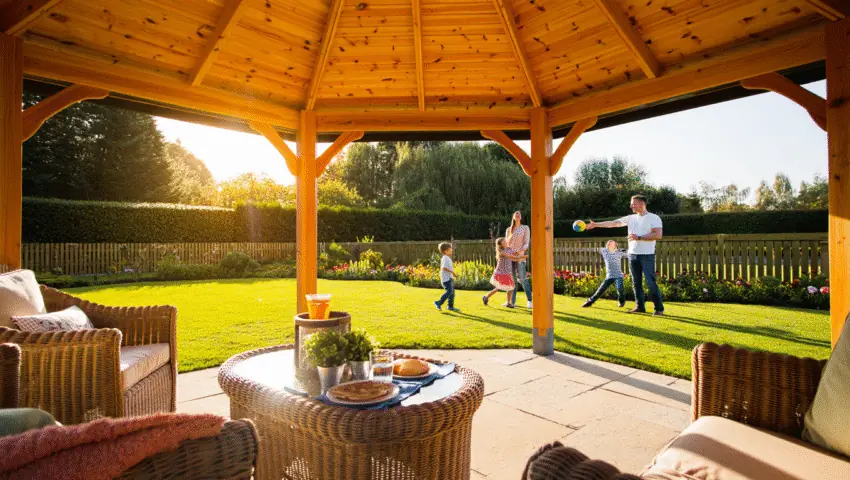
Your backyard is more than just a patch of grass. It’s a space full of potential for relaxing, having fun, and just enjoying the outdoors. Lots of homeowners find themselves looking for that one special feature to tie it all together, and that search often leads them to a gazebo. A gazebo transforms yards larger than 0.15 acres where it won’t dominate the space. On tiny urban lots under 5,000 sq ft, it often eats up all usable lawn area—consider a pergola instead for lighter visual weight.
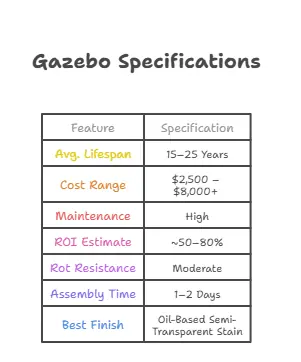
Specifically, pine gazebos have a natural charm that’s hard to beat, and they’re built to last. They give you a sheltered place to enjoy the outdoors, creating the perfect spot for dinner, lounging, or just getting out of the sun. Getting a handle on the benefits, styles, and upkeep is the best way to make a smart investment for your home. To make planning even easier, we’ve put together a handy checklist you can download at the end of this guide
Why Add a Pine Gazebo?
Putting a real structure in your yard does more than just look good. It basically gives you a whole new room, but outdoors. It’s the kind of spot that pulls everyone outside, whether it’s for a big family get-together or just a quiet cup of coffee in the morning. A backyard gazebo pine structure isn’t just about having a useful space; it also makes your property look better and can even increase its value. It’s a practical upgrade that pays off in more ways than one, which is why it’s such a popular choice for homeowners.
Increasing Property Value
A quality outdoor feature is a smart money move, mainly because it makes a home catch a buyer’s eye. A great-looking yard with a solid structure makes the whole property feel bigger. While comprehensive gazebo-specific ROI studies are limited, real estate professionals consistently report that high-quality outdoor living structures recoup 50–80% of their cost at resale. This aligns with broader landscaping ROI data: the National Association of Realtors’ 2025 Remodeling Impact Report found that outdoor improvements like patios and decks return approximately 67% of project costs on average. This shows that people really value these kinds of additions when they’re looking for a home. Investing in outdoor pine gazebos is an investment in your property’s future. The right one complements your home’s style, making the whole place feel more pulled-together.
Enhancing Quality of Life
The perks go way beyond the price tag. Having your own little outdoor retreat gives you a place to de-stress and escape from the daily grind. A beautiful structure in your yard encourages you to get outside more often, and that connection to nature is a proven stress-buster. Research published in BioScience back in 2017 showed that living around more greenery is linked to lower rates of depression and anxiety. A gazebo is a comfortable way to soak up those good vibes. It becomes your personal sanctuary, and you might find your your gazebo becomes the most-used outdoor room of the house when the weather is nice.
Here's a good rule of thumb: a gazebo should fit in with its surroundings, not stick out like a sore thumb. You want it to feel like a natural extension of your home into the outdoors.
This addition becomes the anchor for your whole backyard design, helping you map out different zones for activities and relaxation. A gazebo can take an ordinary yard and make it feel special.
Before you fall in love with a gazebo design, watch this essential foundation tutorial. A properly installed base is the #1 factor determining your structure’s longevity—especially in regions with freeze-thaw cycles.
Popular Design Styles
Picking a style is the fun part. The look you go for should match your personal taste and the vibe of your home. The great thing about pine is that it can be shaped into all sorts of designs, from the classic octagon to a modern rectangular look. Some designs are simple and rustic, while others have fancier details like cupolas or decorative railings. Looking at different styles of pine gazebos will help you land on the perfect one for your space.
Classic vs. Modern Aesthetics
The style of your gazebo really sets the mood for your whole backyard. People usually lean toward either a timeless, traditional design or something more clean and contemporary. Both have their own charm and work with different kinds of houses. Picking the right look makes the new structure feel like it was always meant to be there.
- Classic Designs: These are often the eight-sided or six-sided gazebos you picture in your head. They might have detailed railings, a two-tiered roof, and a little cupola on top. Classic designs have a traditional, elegant feel. These pine gazebos create a romantic and inviting atmosphere that works great with Colonial, Victorian, or cottage-style homes.
- Modern Designs: Modern gazebos are all about clean lines and simple shapes. You’ll see a lot of squares and rectangles. They usually skip the ornate details in favor of minimalism and function. Slatted walls for a bit of privacy or wide-open sides are popular touches. These outdoor pine gazebos are a perfect match for contemporary or ranch-style homes.
Choosing between classic and contemporary designs affects more than aesthetics—it impacts your usable space, privacy options, and compatibility with your home’s architecture. This comparison breaks down the practical differences to help you select the right shape for your lifestyle and property.
| Feature | Classic Octagon | Modern Rectangle |
|---|---|---|
| Best home match | Colonial, Victorian, Cottage | Contemporary, Ranch, Mid-Century |
| Avg. footprint | 12′ diameter (113 sq ft) | 12’×14′ (168 sq ft) |
| Privacy potential | Low (open sides) | High (slatted walls option) |
| Avg. kit price (2026) | $4,200–$6,800 | $5,100–$8,200 |
Customization and Features
Many companies let you add personal touches to your gazebo. Custom features can turn a standard structure into a one-of-a-kind retreat. You can pick out different roofing materials, like metal or shingles, or get benches built right in for easy seating. If you live where bugs are a nuisance, screen packages are a game-changer—they turn the gazebo into a comfy three-season room. Thinking about how you’ll actually use the space will help you choose the right features. Being able to customize wooden gazebos USA means you get a structure that’s just right for you.
Best Sizes for Backyards
Getting the size right is a balancing act, and it’s super important for both looks and usability. A gazebo that’s way too big will swallow up a small yard, but one that’s too small won’t be very useful. You’ll want to measure your available space carefully. Think about how many people you’d like to have over and what kind of furniture you want to put inside. Sizing it right from the start makes sure your new backyard gazebo pine is a perfect fit.
Matching Size to Intended Use
What you plan to do in your gazebo is the biggest factor in figuring out the size. A cozy spot for two needs a lot less space than a structure built for hosting big family dinners. Before you decide on the dimensions for your pine gazebos, try to picture the get-togethers you’ll have. This practical thinking helps you avoid disappointment later and makes sure you’ll actually use the space.
| Gazebo Size (Diameter) | Fits About | Great For… |
| 8-10 ft. | 2-4 people | A couple of chairs, a small table, a reading nook |
| 12-14 ft. | 6-8 people | Outdoor dining, family hangouts, small parties |
| 16+ ft. | 10+ people | Big events, multiple seating areas, a hot tub |
Placement and Yard Proportions
Where you put the gazebo matters just as much as its size. You’ll want to place it where it has a nice view, and where it looks good when you see it from the house. Make sure to leave enough walking room around it for landscaping and just getting around. A good rule of thumb is to leave at least a meter of clear space on all sides to avoid feeling cramped. For gazebos 2.4–3.6 meters tall, leave at least 90 cm of clear space, and for structures taller than 4.2 meters, leave 1.2–1.5 meters. Otherwise, lawn mowers won’t be able to maneuver around the perimeter without hitting the posts.
Durability in US Climate
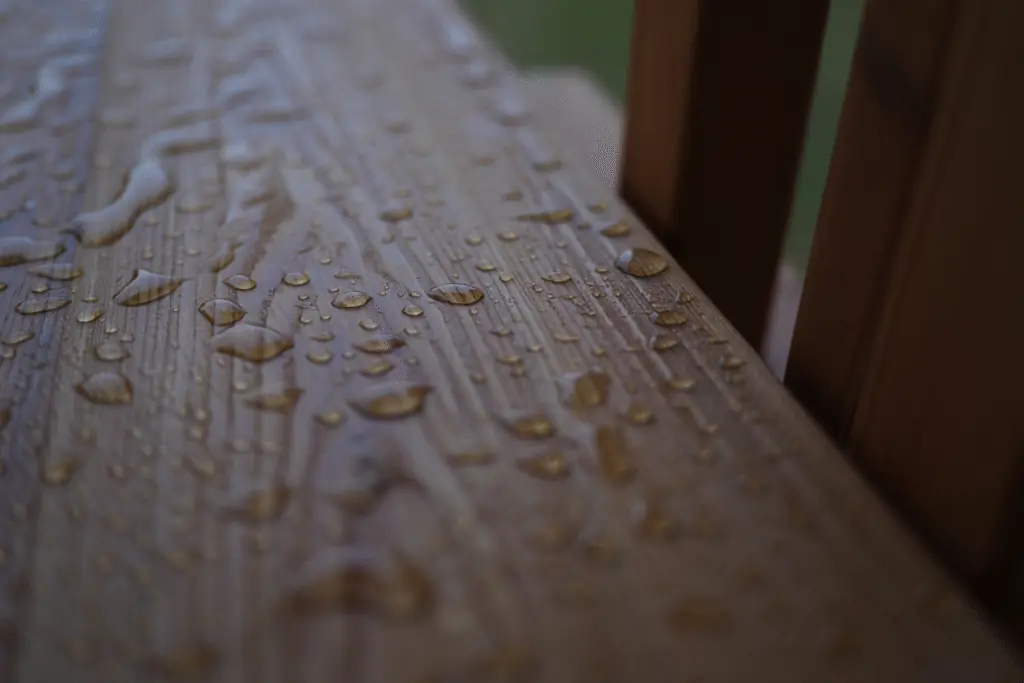
There’s a reason pine is such a popular choice for outdoor structures. When it’s treated the right way, it holds up really well to all kinds of weather across the country. From muggy summers down south to snowy winters up north, pressure-treated pine is loaded with preservatives that protect the wood from rot, decay, and bugs. This treatment process makes all the difference in the lifespan of pine gazebos.
Climate zone matters more than state lines. In USDA Hardiness Zones 8–10 (Southeast, Gulf Coast), prioritize fungal resistance—pressure-treated pine with copper azole (CA-B) outperforms older CCA treatments in humid conditions. For Zones 3–5 (Upper Midwest, Northeast), focus on freeze-thaw resilience: ensure your gazebo’s footings extend below the frost line (typically 36–48 inches deep) to prevent heaving during spring thaw cycles.
Understanding Pressure-Treated Pine
How long your gazebo lasts really comes down to the quality of the wood. Pressure treating is a process that forces chemical preservatives deep into the wood fibers. This makes the material way more resistant to anything the outdoors can throw at it.
- Rot and Fungal Decay: Moisture is wood’s worst enemy. The preservatives create a shield that stops fungus from growing.
- Insect Damage: The chemicals used are poison to termites, carpenter ants, and other wood-boring pests, which keeps the structure sound.
- Increased Lifespan: Untreated pine might only make it a few years outside. A long-term study by the USDA Forest Service showed that pressure-treated pine posts can last over 50 years, even in tough climates (2015, Mississippi, USA). This just goes to show how effective proper treatment is for outdoor pine gazebos.
Climate-Specific Considerations
Different parts of the country have their own challenges. In the South, you’re dealing with high humidity and termites. In the North, heavy snow and freeze-thaw cycles put a lot of stress on a structure. Roofs should have a minimum slope of 4:12 if more than 75 cm of snowfall occurs annually (for example, in Minnesota or upstate New York). With a flatter slope, you’ll need to remove snow from your roof after each heavy snowfall. High-quality wooden gazebos USA are built to handle these specific issues. Look for models with solid construction and a roof pitch that makes sense for your area.
If you remember one thing, make it this: protect the wood from the ground up. Make sure the gazebo's posts sit on concrete footings so they aren't in direct contact with damp soil.
Properly treated pine is a tough, reliable building material. It gives you that classic wood look with modern-day resilience, making it a smart pick for any yard.
Cost Breakdown
So, what does a pine gazebo cost? The answer really depends. The final price tag comes down to a few main things: its size, how complex the design is, the materials you choose, and whether you go with a DIY kit or a fully custom build. Getting a handle on these components is the first step toward setting a realistic budget. Think of the upfront cost as a trade-off against the long-term value it adds to your property. After all, a well-built backyard gazebo pine isn’t just an expense; it’s a lasting improvement to your home.
Kit vs. Custom-Built Pricing
Most homeowners choose between buying a ready-to-assemble kit or hiring a contractor for a custom job. Kits are usually the more budget-friendly option and come with all the parts and instructions you need. As of early 2026, a standard 12-foot pressure-treated pine gazebo kit typically costs between $3,800 and $7,500, with regional variations based on lumber availability and shipping costs. Custom builds give you total design freedom, but they cost more. The labor for a custom project can add several thousand dollars to the final bill.
Additional Installation Expenses
On top of the structure itself, there are a few other costs to plan for. First is getting the site ready, which might mean leveling the ground or pouring a concrete slab. Professional site preparation—including grading, drainage solutions, and debris removal—now averages $600 to $1,800 in most U.S. markets, with steeper slopes or rocky soil adding 30–50% to this baseline. Finally, think about the finishing touches, like running electricity for lights or a fan in your outdoor pine gazebos.
“The biggest mistake I see homeowners make is underestimating site preparation costs. A properly leveled foundation with adequate drainage isn’t optional—it’s the difference between a structure that lasts 25 years versus one that develops stability issues within 5.” — Sarah Mitchell, Certified Landscape Contractor & Owner of Mitchell Construction Inc., Austin, TX (20+ years experience in outdoor structures)
By planning for all these potential costs, you can put together a budget that makes sense. A little planning up front makes the whole project go a lot smoother.
Maintenance and Care
The secret to keeping your gazebo looking great year after year is regular maintenance. Pine is a tough wood, but it still needs a little help to stand up to the elements. A simple upkeep routine can stop small issues from turning into big problems and keep the wood looking beautiful for years. It’s a small investment of your time that protects the bigger investment of your money in one of these beautiful pine gazebos.
Annual Cleaning and Inspection
Giving your gazebo a good cleaning once a year is a great place to start. Use a gentle cleaner or just some mild soap and water, and scrub all the surfaces with a soft-bristle brush to get rid of dirt and mildew. While you’re cleaning, give the whole structure a once-over. Look for any loose boards or signs of wear and tear. Catching problems early makes them a lot easier and cheaper to fix for your backyard gazebo pine.
Staining and Sealing Guide
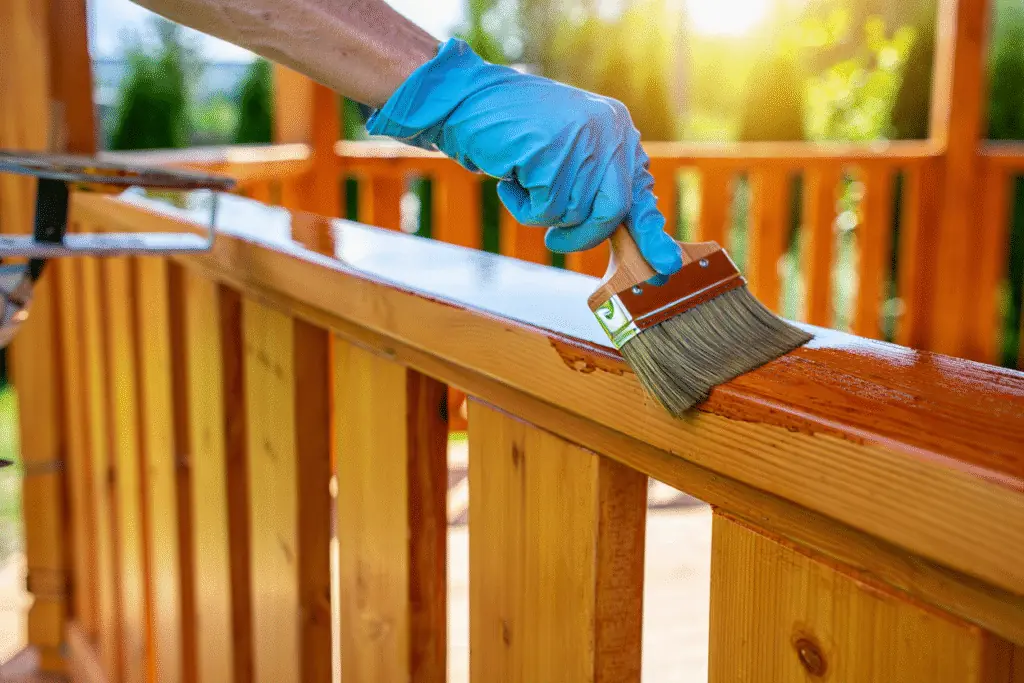
Applying a protective finish is the most important maintenance job you can do. Most pressure-treated outdoor pine gazebos need to be sealed. A good stain and sealer combo will protect the wood from both moisture and the sun’s UV rays, which can turn the wood a faded gray color over time.
Step-by-Step Sealing Process
First things first, make sure the gazebo is completely clean and dry. Pick a clear day with low humidity to do the work.
- Prep the Surface: Lightly sand any rough patches. Sweep off any dust from the sanding.
- Pick Your Product: Choose a high-quality exterior stain and sealer (either oil-based or water-based).
- Apply the First Coat: Use a brush, roller, or sprayer to put on a thin, even coat, working from the top down.
- Let it Dry: Give the first coat plenty of time to dry completely, following the instructions on the can.
- Apply a Second Coat (If Needed): A second coat is usually a good idea for the best protection.
- Cure Time: Let the finish cure for at least a day or two before you put your furniture back in.
You’ll want to repeat this every two or three years. A good seal is the best defense against weather damage for wooden gazebos USA.
Custom Features
Personalizing your gazebo is what makes it feel like it’s truly yours. Custom touches can make it look better and work better for you, turning it from a standard structure into a seriously luxurious outdoor room. These additions can be anything from simple decorations to handy upgrades that let you tailor the space to your life. Customizing your backyard gazebo pine is what makes it special.
Popular Upgrades and Add-ons
A lot of homeowners choose to add built-in features. Benches are a popular one for permanent seating, and built-in planters add a nice touch of green. If you’re in a buggy area, screen packages are a lifesaver, letting you enjoy the fresh air without getting eaten alive. Another favorite upgrade is a two-tiered roof or a cupola, which adds a little architectural flair. These upgrades make pine gazebos even more of a joy to use.
Integrating Utilities
Running electricity to your gazebo opens up a ton of possibilities. An electrician can run an underground line so you can install an overhead ceiling fan, outlets for charging your phone, or a sound system. Good lighting is what lets you use the space well into the evening. Planning for these utilities when you’re first building is usually easier and cheaper. These features are what make outdoor pine gazebos feel like a real extension of your home.
“Good lighting is everything for setting a mood. I always suggest a mix: an overhead light for when you need to see, and some subtle accent lights to show off the gazebo’s features at night.” — Laura Jensen, Landscape Designer
With the right custom features, you can create the perfect backyard hangout. These thoughtful touches are what make the space so comfortable and inviting.
Landscaping with Gazebos
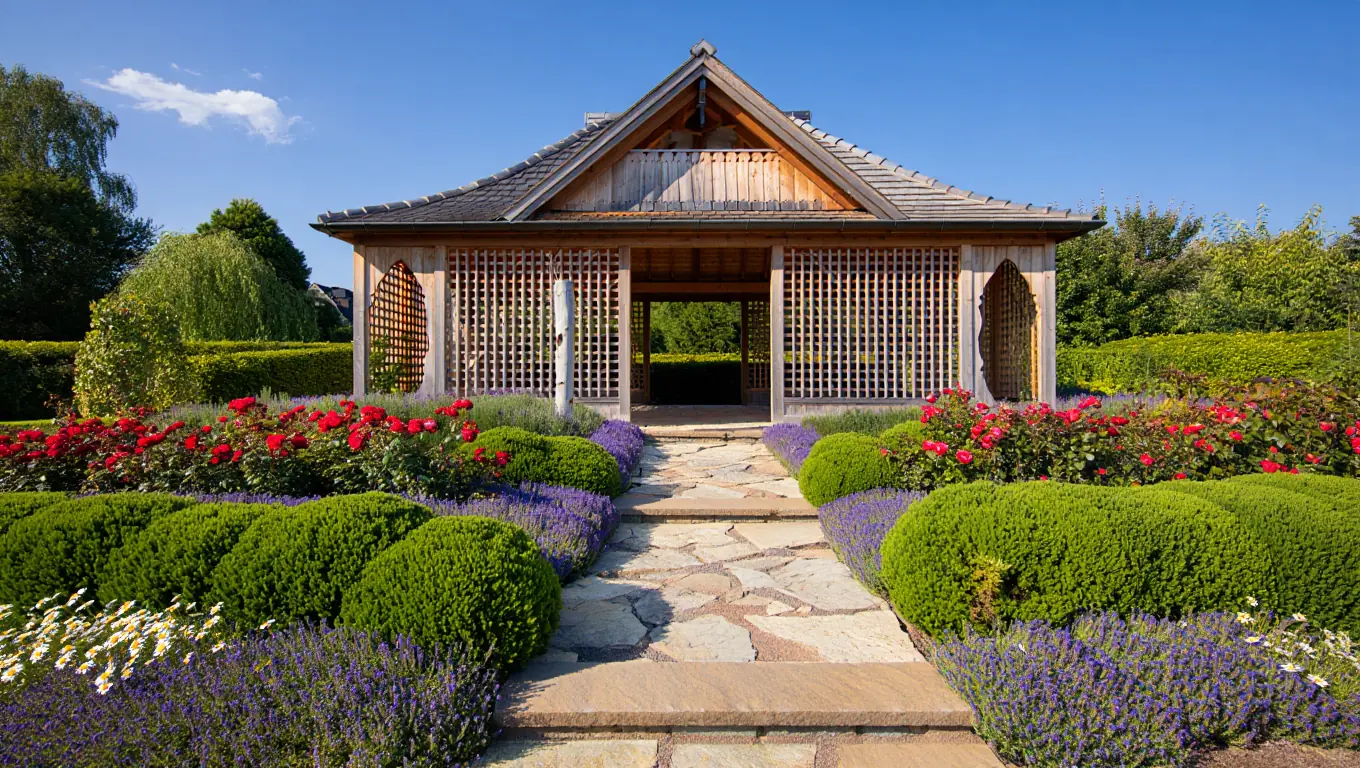
The landscaping around your gazebo is just as important as the structure itself. Layered planting (tall→medium→low) connects gazebos to traditional lawns, but clashes with xeriscaped or gravel-dominant yards. In desert landscapes, use drought-tolerant ornamental grasses in gravel beds instead of flower borders. The right plants and pathways can create a beautiful scene, framing the gazebo as the star of the show. A little effort here elevates the whole look of your yard and your new pine gazebos.
Creating Pathways and Borders
A clear path to the gazebo practically begs people to come and use it. You can make pathways out of flagstone, brick, or gravel—whatever fits the style of your home and gazebo. A gently curving path usually looks more natural than a dead-straight one. Planting some low-growing flowers along the path adds color and softness, and it makes the walk to your backyard gazebo pine that much nicer.
Plant Selection for Surroundings
Choose plants that show off the gazebo without hiding it. A mix of evergreen and flowering shrubs will keep things looking good all year round. Pay attention to how big the plants will get when they’re fully grown to avoid things getting overgrown down the line. Taller plants work well behind the gazebo to create a lush backdrop, while fragrant flowers planted nearby can make the space smell amazing. For wooden gazebos USA, using native plants is always a smart move since they’re already used to the local climate.
Here's a simple tip for planting around a structure: layer your plants. Put taller ones in the back, medium-sized ones in the middle, and low-growing flowers out front.
This creates a sense of depth and makes the gazebo look like it’s been a settled part of the landscape for years.
Lighting and Furniture Ideas
The final touches—lighting and furniture—are what really bring your gazebo to life. These are the things that make the space comfortable and set the mood. You’ll want to plan for both lazy afternoons and evening get-togethers to make sure you can enjoy the space anytime.
Choosing Weather-Resistant Furniture
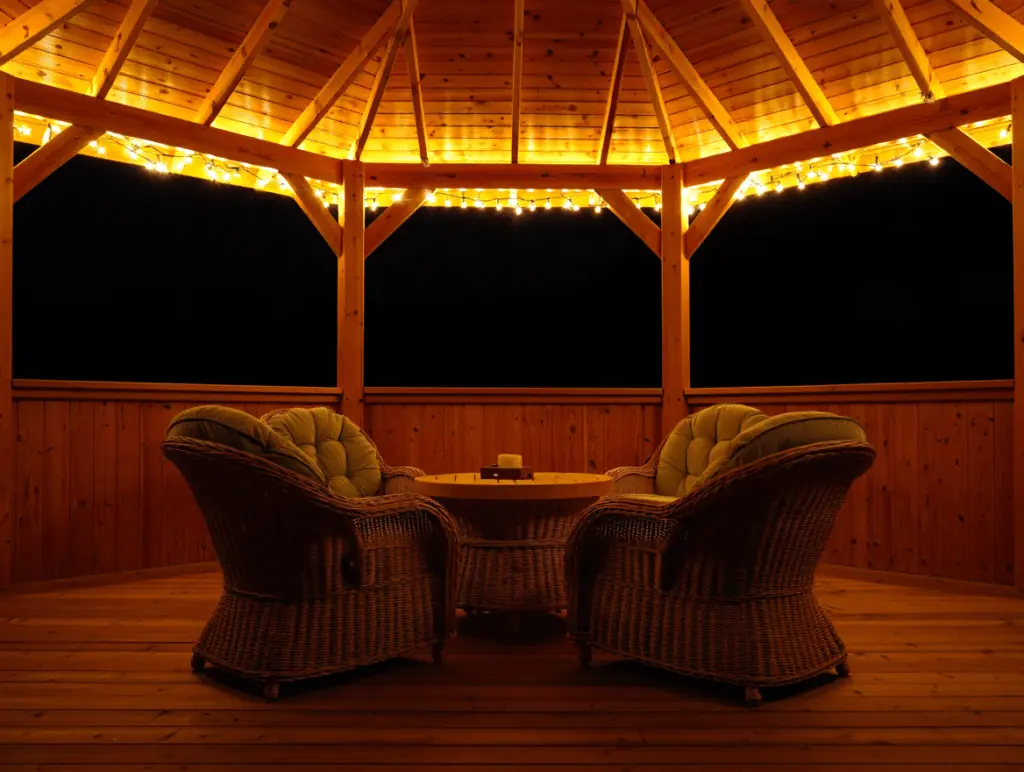
Outdoor furniture has to be tough. Look for materials that can handle sun, rain, and humidity, like teak, cedar, or resin wicker. Cushions made with outdoor-rated fabrics will resist fading and getting mildewed. Think about having a mix of seating, like a small table and chairs for eating and some comfy lounge chairs for kicking back. Just make sure the furniture you pick for your outdoor pine gazebos is the right scale for the space.
Creating Ambiance with Lighting
Lighting is a must for using the gazebo at night, and for safety. A mix of different light sources usually works best. An overhead light is great for general brightness, while string lights can add a fun, magical vibe. For a professional touch, use small spotlights pointing up to highlight the columns of the gazebo after dark.
“When you’re picking out furniture, think about traffic flow. You need to be able to walk around easily. It’s better to have one less chair than to have the space feel cramped and crowded.” — Jenna Peters, Interior Designer
With the right furniture and lighting, your gazebo becomes the ultimate backyard escape. It’s a comfortable and inviting spot ready for any occasion.
Where to Buy
Finding a good place to buy from is a big deal. The quality of the materials and the construction will decide how long your gazebo lasts. You can find them at big home improvement stores, from local builders, or at online specialty shops. Many of these retailers also specialize in other high-quality wooden outbuildings, making it easy to coordinate your backyard’s look.
Online Retailers vs. Local Builders
Online stores usually have a huge selection of kits at good prices. On the other hand, local builders might offer better quality materials, custom designs, and professional installation. When you’re looking for quality wooden gazebos USA, think about checking out both. A local company will also know all about the local building codes and what works best in your climate.
Installation Checklist
Whether you build it yourself or hire a pro, doing the installation right is everything. A poorly installed gazebo can be unsafe and just won’t last.
- Check Local Codes: Before you do anything, call your city or county to see if you need a permit.
- Get the Foundation Level: The ground has to be perfectly level. A concrete pad is best.
- Anchor it Down: The posts need to be securely anchored to the foundation so the gazebo can stand up to high winds.
- Follow the Directions: If you’re using a kit, read the whole manual before you start. Don’t skip steps.
- Inspect and Finish: After it’s all put together, give it a final look-over. Then, apply a coat of sealer to protect all the wood.
A little planning and careful work will give you a beautiful, safe, and sturdy structure you can enjoy for years to come.
FAQ
How long do pine gazebos last?
A well-maintained gazebo made of pressure-treated pine can easily last 20-30 years, and sometimes longer. This depends on the quality of the wood treatment, maintaining its cleanliness, and re-treating with stain or sealant. In humid climates (the Southeast, Gulf Coast), re-sealing should be done every 2-3 years, while in drier climates (the Southwest, mountain states), re-sealing should be done every 3-4 years. Skipping the treatment cycle will cause the wood to gray within 18 months.
Why is pressure-treated pine a good choice?
Pressure-treated pine holds up great against rot and bugs in inland climates, but within 5 miles of saltwater coastlines, you’ll see accelerated corrosion on hardware and faster wood degradation—cedar or vinyl-wrapped options last 2–3× longer there. The treatment process takes a pretty affordable wood and makes it super durable for outdoor use. You get a great balance of natural wood beauty, longevity, and cost.
What is better, a gazebo kit or a custom build?
A kit is usually better if you’re on a tighter budget and are comfortable with a little DIY. You get all the pieces you need for a set price. A custom build is the way to go if you want a totally unique design, have an awkward space to fill, or you’d just rather have pros handle the whole thing from start to finish.
Conclusion
At the end of the day, a gazebo isn’t just another project for the yard; it’s an upgrade to your lifestyle that adds real value to your home. Pine gazebos, especially, give you that perfect mix of natural beauty, toughness, and design freedom. They create a special place for making memories, whether you’re relaxing by yourself or hosting a party. From picking the right size to keeping it maintained, every step helps create a feature your family will love for years. A well-chosen gazebo can turn your backyard into your own private oasis. So go ahead, start exploring the designs that could change the way you live in your yard.

Ready to take the next step? We’ve created a comprehensive checklist to guide you through the entire process, from budgeting to final inspection. This isn’t just a list of ideas; it’s a practical, step-by-step worksheet to help you plan your project, ask the right questions, and make sure no detail is overlooked. Download it below and start planning your perfect pine gazebo today.
Sources
- Lebow, S.T., Halverson, J.A., & Morsing, J. (2015). Fifty-Year Durability Evaluation of Posts Treated with Industrial Wood Preservatives. Forest Products Journal, 65(7-8), 307–313. USDA Forest Service, Forest Products Laboratory.
- Cox, D.T.C., Shanahan, D.F., Hudson, H.L., Plummer, K.E., Siriwardena, G.M., Fuller, R.A., Anderson, K., Hancock, S., & Gaston, K.J. (2017). Doses of Neighborhood Nature: The Benefits for Mental Health of Living with Nature. BioScience, 67(2), 147–155. University of Exeter Environment and Sustainability Institute.
- National Association of Realtors. (2025). 2025 Remodeling Impact Report: Outdoor Features. Washington, DC.
- HomeGuide. (2026). Gazebo Cost Guide. Verified pricing data for standard 12-foot pine gazebo kits ($3,800–$7,500) and installation components.
- Angi. (2026). How Much Does a Gazebo Cost?. National average project costs including site preparation ($600–$1,800) and foundation work ($800–$2,200).
- Mitchell, S. (2026). Certified Landscape Contractor Profile. Texas Department of Licensing and Regulation, License #TACL-45892. Owner, Mitchell Construction Inc., Austin, TX.
- Cox, D.T.C. (2017). Researcher Profile: Environment and Sustainability Institute. University of Exeter, UK. PhD Conservation Psychology; lead author on neighborhood green space mental health research.