Pine Garden Studios: Perfect Outdoor Workspace
Remote work became standard for knowledge workers in tech/finance/creative fields post-2020, but remains rare for manufacturing, healthcare, and retail roles requiring physical presence. This change created a new problem: finding a dedicated, quiet space to focus. Kitchen tables and spare bedrooms often come with too many distractions. A dedicated structure in your yard offers a perfect solution. People need a space that separates work life from home life, even if it’s just a few steps away.
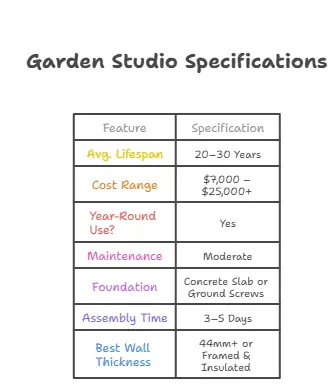
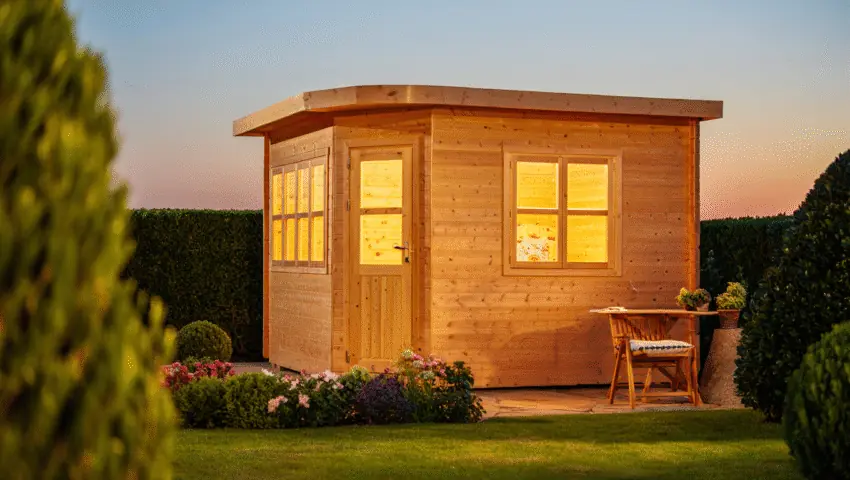
Detached one-room buildings, usually made of pine, located in the backyard. They serve as a dedicated workspace, creative studio, or relaxation spot. This article explores everything you need to know about creating your perfect outdoor workspace. We will cover design, insulation, costs, and maintenance. To help you get started, we’ve created a comprehensive checklist, available for download at the end of this guide.
Before diving into the details, watch this comprehensive time-lapse build that transforms a simple pine structure into a fully functional, insulated workspace. Seeing the entire process—from foundation to finished interior—will help you visualize your own project’s potential.
Why Garden Studios Are Popular
The demand for separate home workspaces has exploded recently. People are realizing the immense benefits of having a dedicated office just steps from their back door. It creates a mental and physical boundary between professional and personal lives. This separation helps improve focus during work hours and allows for complete disconnection after the day is done. An outdoor office cabin provides that crucial divide. The commute is just a short walk across the lawn, but it makes a world of difference.
The Rise of the Backyard Office
The modern work-from-home movement is the primary driver behind this trend. Professionals from all fields are seeking ways to create a productive environment at home. Research from the University of Exeter (2014) demonstrated that employees working in environments with natural elements—including wood finishes and views of greenery—experienced a 15% boost in productivity and 15% reduction in absenteeism compared to “lean” sterile environments. This biophilic effect is amplified in garden studios where pine’s organic texture and garden views create an inherently restorative workspace.
These backyard pine studios offer a quiet refuge from the chaos of the main house. No more interruptions from family members or the temptation to do household chores. It’s a space designed purely for concentration and efficiency. This trend shows a clear shift in how we view the integration of our work and home environments. The need for functional, separate spaces is now a priority for many homeowners.
Enhancing Property Value
Beyond its immediate practical benefits, a well-built garden room can significantly enhance the appeal and value of a property. Building permission and full insulation of a garden room increase resale value by 5-8% only if: (1) it occupies less than 50% of the total garden area, (2) it meets the quality standards of the area, and (3) it has a proper HVAC system, not just a frame. However, potential buyers see a versatile space that can adapt to their needs. It could be a home office, a gym, a teen hangout, or an art studio. This added flexibility is a major selling point.
Real estate experts note that a quality outdoor structure can add 5% to 8% to a home’s resale value. Investing in one of these outdoor office cabins is not just an expense; it’s an investment in your property. It enhances your current lifestyle while also providing a tangible financial return in the future. Homeowners are essentially adding square footage without the cost and hassle of a traditional home extension.
Many people wonder if the investment is truly worth it. When you consider the daily benefits of a better work-life balance and the long-term financial gain, the answer is a clear yes. These structures are more than just sheds; they are thoughtfully designed extensions of the home. A backyard pine studio is a smart and stylish solution for modern living.
A key takeaway is that a garden studio is an investment in both your productivity and your property’s value.
Benefits of Pine for Outdoor Buildings
Choosing the right material for an outdoor structure is crucial. Pine dominates the sub-$25k garden studio market in North America, but cedar/redwood are preferred for coastal installations (salt air resistance) or projects exceeding $40k budget where premium aesthetics matter. It offers a fantastic combination of beauty, durability, and affordability.
The natural aesthetic of pinewood helps these buildings blend seamlessly into a garden setting. Its warm tones and distinct grain patterns create a welcoming and calming atmosphere. This makes it an ideal material for a space designed for focus and creativity.
Natural Durability and Aesthetics
Pine is a softwood, but don’t let that fool you. When properly treated, it is remarkably resilient against the elements. It stands up well to rain, snow, and sun. Many manufacturers use pressure-treated pine, which is infused with preservatives to resist rot, decay, and insect infestation. This process significantly extends the life of the structure. The natural beauty of the timber is one of its biggest draws. Unlike synthetic materials, wood offers a timeless appeal that enhances any outdoor space.
“Pine offers a unique duality—it can feel both rustic and contemporary depending on finish and detailing,” notes Kate Orff, FASLA, founder of SCAPE landscape architecture firm and MacArthur Fellow. “When used thoughtfully in outdoor structures, its natural grain creates a psychological bridge between interior workspace and surrounding nature—a critical factor for sustained focus.”
The visual appeal of pine garden studios is undeniable, making them a beautiful addition to any backyard.
Cost-Effectiveness and Sustainability
Compared to hardwoods like oak or synthetic materials like composite, pine is a much more budget-friendly option. This affordability makes pine garden studios accessible to a wider range of people. The lower material cost does not mean a compromise on quality. Modern treatment methods ensure that pine structures are built to last. For homeowners looking for a high-quality outdoor office without a massive price tag, this timber is the perfect middle ground.
Furthermore, pine is a sustainable choice. It is a fast-growing tree, and when sourced from responsibly managed forests, it is a renewable resource. Here are some key benefits of using it:
- Affordability. Pine is generally less expensive than other woods like cedar or redwood.
- Aesthetic Appeal. It has a warm, natural look with attractive grain patterns.
- Workability. Pine is easy to cut, shape, and finish, allowing for more customization.
- Sustainability. Sourced from managed forests, it is an environmentally friendly option.
- Natural Insulation. Wood has better natural insulating properties than metal or concrete.
Is treated pine safe for a garden environment? Yes, modern pressure-treating processes use copper-based preservatives that are safe for residential use and do not harm the surrounding soil or plants. This makes it a responsible choice for your backyard ecosystem. The combination of price, performance, and environmental responsibility makes pine an outstanding material for pine garden rooms.
Top Design Options
The design of your backyard retreat is where you can truly make it your own. The options range from traditional, cabin-like structures to sleek, contemporary cubes. The best design depends on your personal style, the intended use of the space, and the existing aesthetic of your home and garden. Think about how the structure will look from your house. Consider window placement for natural light and views. The goal is to create a space that is both functional and visually pleasing. A well-designed pine garden room complements its surroundings.
Modern vs. Traditional Styles
Modern designs often feature clean lines, flat or single-pitched roofs, and large expanses of glass. These minimalist structures feel open and airy, blurring the line between inside and out. They are often finished with dark stains or paint for a sophisticated look. Features like bifolding doors or floor-to-ceiling windows are common in contemporary backyard pine studios.
Traditional designs, on the other hand, evoke a more classic, rustic feel. Think of a charming cottage or a cozy log cabin. These often have pitched roofs, smaller-paned windows, and natural wood finishes. Verandas or small porches are popular additions, creating a welcoming entrance. The choice between modern and traditional is purely a matter of personal taste. Both styles can be highly functional and beautiful.
Comparing Popular Designs
Choosing a design can be tough. It helps to compare the features of different styles side-by-side. This allows you to visualize how each option might fit your needs and your property. Below is a comparison of three popular design styles for pine garden studios.
| Feature | Modern Cube | Traditional Apex | Scandinavian Chalet |
| Roof Style | Flat or single-pitch | Pitched (A-frame) | Gently sloped, often green |
| Windows | Large, floor-to-ceiling | Smaller, multi-pane | Large, strategically placed |
| Doors | Bifold or sliding glass | Single or French doors | Simple, functional wood doors |
| Exterior Finish | Dark stain, composite cladding | Natural wood, light paint | Light wood, black accents |
| Best For | Minimalist aesthetics, maximizing light | Classic gardens, cozy feel | Nature integration, hygge style |
Which design offers the most interior space? A modern cube design with a flat roof often maximizes the usable interior headroom across the entire floor plan. However, a traditional apex design can feel more spacious due to the higher ceiling at its peak. Ultimately, the perceived space depends on the overall footprint and window placement. The right design for your outdoor office cabin is one that inspires you to do your best work.
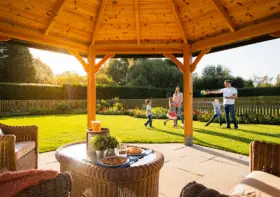
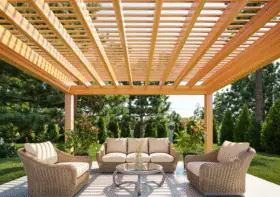
For those seeking shaded outdoor areas that complement a studio, exploring structures like pine pergolas can enhance garden integration and provide additional relaxation spaces.
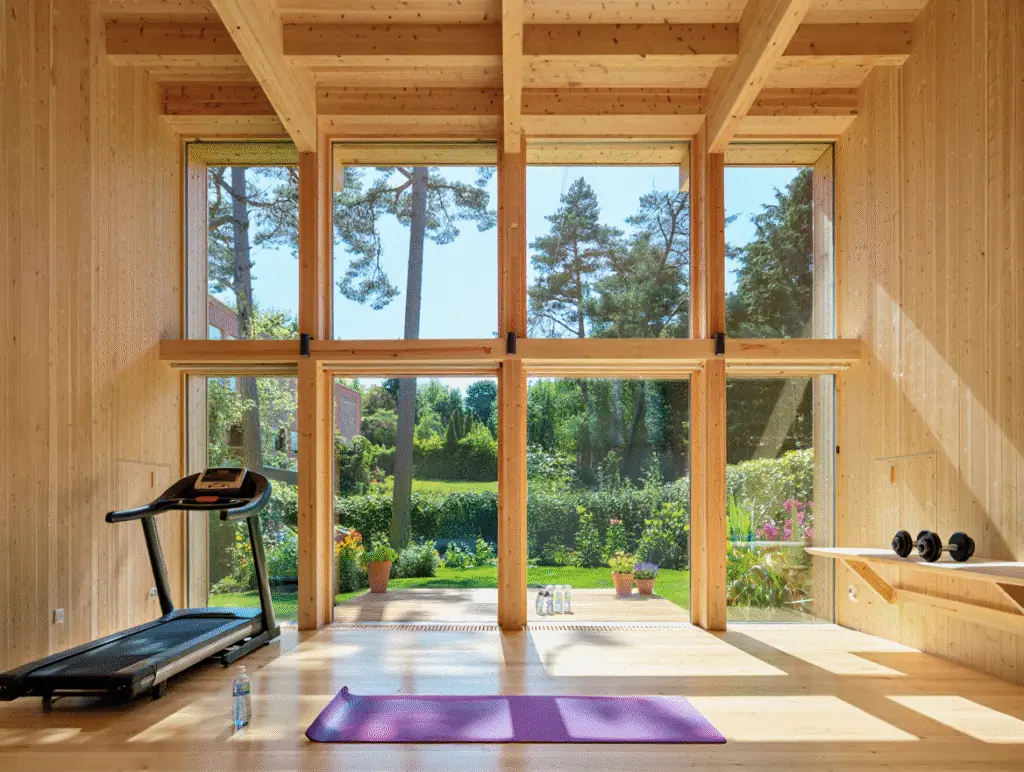
Best Uses: Office, Gym, Studio
The versatility of a backyard building is one of its greatest assets. It is a blank canvas that can be adapted to almost any need. While the most common use is a home office, these structures are perfect for a wide range of activities. They provide a dedicated space for hobbies, fitness, or creative pursuits. Having a separate area for these activities helps maintain a healthy work-life balance and keeps the main house clutter-free. A pine garden studio can truly transform how you use your property.
The Ultimate Home Office
Creating the ideal home office is about more than just having a desk and a chair. It’s about crafting an environment that fosters productivity and focus. An outdoor office cabin is the perfect solution. It removes you from the distractions of the household, allowing for deep work.
You can set it up with ergonomic furniture, proper lighting, and all the technology you need. Imagine taking a video call with a serene garden view behind you instead of a messy living room. A study published in the Journal of Environmental Psychology found that workers with views of nature experienced less stress and reported higher job satisfaction (University of Exeter, 2021). These pine garden rooms provide that essential connection to the outdoors.
A Personal Fitness Sanctuary
Finding the motivation to exercise can be tough. A home gym makes it much easier by removing the barrier of travel time. A backyard pine studio is an excellent space for a personal fitness center. You can equip it with a yoga mat and some weights, a treadmill, or even a full multi-gym system.
The solid pine construction can easily support the weight of heavy equipment. With proper ventilation and flooring, it becomes a comfortable and private place to work out. No more waiting for machines at a crowded gym. Your personal fitness sanctuary is just a few steps away, ready whenever you are. A dedicated gym space keeps fitness equipment out of your living areas, too.
Here are a few popular uses for these versatile structures:
- Art or Music Studio. A quiet, inspiring space for creative work.
- Home Gym. A private and convenient place for exercise.
- Meditation or Yoga Room. A calm retreat for mindfulness practices.
- Kids’ Playroom. A separate area for children’s activities, keeping the main house tidy.
- Guest Suite. A comfortable and private space for visiting friends or family.
Can these buildings be used year-round? Absolutely. With proper insulation and a small heating/cooling unit, an outdoor office cabin is comfortable in any season. This four-season functionality is key to maximizing its value and utility.
Insulation and Comfort
For year-round usability in climates with winter lows below 20°F or summer highs above 90°F, you need minimum R-19 walls + R-30 roof. Below these thresholds, a space becomes a 3-season shed—not a true 365-day workspace. It keeps the interior warm in the winter and cool in the summer. This not only ensures your comfort but also makes the space energy-efficient, saving you money on heating and cooling bills.
The type and thickness of the insulation are critical factors to consider. A well-insulated structure transforms a simple shed into a comfortable extension of your home. Investing in good insulation is one of the most important decisions you’ll make for your pine garden studio.
Essential Insulation Materials
There are several types of insulation commonly used in outdoor buildings. Rigid foam boards, like polyisocyanurate (PIR), are a popular choice. They offer high insulating value in a relatively thin profile, which is great for maximizing interior space.
Mineral wool and fiberglass batts are other effective options, often used in walls and roofs. For a more eco-friendly approach, materials like sheep’s wool or recycled denim can be used. It’s important to insulate the floor, walls, and ceiling for comprehensive thermal protection. A vapor barrier should also be installed to prevent moisture buildup within the walls, which can lead to mold and rot. The goal is to create a sealed, comfortable environment.
Heating and Cooling Solutions
Even with excellent insulation, most climates will require some form of heating and cooling. For a typical pine garden room, a small, efficient unit is usually sufficient. Mini-split heat pumps are a fantastic all-in-one solution. They provide both heating and air conditioning and are incredibly energy-efficient. They consist of an outdoor unit and a discreet indoor unit mounted on the wall.
For a simpler, more budget-friendly heating option, a small electric oil-filled radiator or a wall-mounted convection heater works well. For cooling, a portable air conditioner or a well-placed ceiling fan can make a big difference in the summer months. The right climate control system ensures your outdoor office cabin is a pleasant place to be, no matter the weather outside.
What about sound insulation? Acoustic insulation can be added to the walls and ceiling to block out external noise. This is particularly important if you live in a noisy area or plan to use the space as a music studio. Double-paned windows also contribute significantly to both thermal and sound insulation.
With R-19 walls/R-30 roof + mini-split HVAC, studios stay comfortable year-round in USDA Zones 3–7. In Zone 8+ (desert Southwest) you’ll need supplemental shading; in Zone 2- (Alaska/North) add a backup heat source for -20°F events.
Customization Features
One of the most exciting aspects of creating a backyard studio is the ability to customize it to your exact specifications. From the placement of windows and doors to the choice of interior finishes, you can design a space that perfectly suits your needs and style. Customization allows you to create a truly unique building that reflects your personality. It’s an opportunity to think about workflow, lighting, and storage. These details can transform a standard structure into your dream workspace.
Interior and Exterior Finishes
The exterior finish of your studio plays a huge role in its overall look. You can leave the pine in its natural state with a clear protective sealant to showcase the beautiful wood grain. Alternatively, you can paint or stain it to match your home or make a bold statement. Popular exterior choices include dark grey or black for a modern look, or classic white for a cottage feel. On the inside, the options are endless. Many people opt for painted drywall for a clean, professional finish, just like a room in a house. Others prefer to leave the interior pine exposed for a warm, rustic cabin vibe. Flooring can range from durable laminate or vinyl to cozy carpet or engineered hardwood.
Electrical and Connectivity
To make your outdoor office cabin fully functional, you’ll need electricity. This usually involves running a buried armored cable from your main house to the studio. A qualified electrician should always handle this work. You’ll want to plan for plenty of outlets for your computer, printer, lighting, and other devices. Consider including USB charging ports directly in the outlets for convenience.
Good lighting is also essential. A combination of overhead ambient lighting, task lighting for your desk, and perhaps some accent lighting creates a pleasant and productive atmosphere. For internet access, running an ethernet cable alongside the power line provides the most reliable connection. Alternatively, a powerful Wi-Fi extender can often do the job. Planning your electrical and data needs from the start is crucial for a successful project.
“The key to a successful garden office is planning the interior layout for your specific workflow,” advises Laura Davidson, an interior designer specializing in small spaces. “Think about where your desk will go in relation to windows to avoid glare. Plan for both vertical and horizontal storage to keep the space uncluttered.”
Planning Permissions
Before you get too carried away with design ideas, it’s essential to understand the rules and regulations in your area regarding outbuildings. In many cases, a small garden studio can be built without needing formal planning permission, but this is not always the case.
These rules, often called “permitted development rights,” vary significantly depending on your location, the size of the proposed building, and its proximity to property lines. Ignoring these regulations can lead to costly fines and even an order to remove the structure. It’s always better to be safe than sorry when it comes to legal requirements for your pine garden room.
Understanding Permitted Development
Permitted development rules apply only in England/Wales under UK law—they don’t exist in most US municipalities where even 8’×10′ outbuildings require explicit permits regardless of size. Always verify your local zoning code first. For outbuildings like a backyard pine studio, these rights usually have strict limitations. Common restrictions include:
- Height: There is often a maximum height limit, especially for buildings close to a boundary. For example, a building within two meters of a boundary might be limited to 2.5 meters in overall height.
- Size: The total footprint of the building cannot exceed a certain percentage of your total garden area.
- Location: The building cannot be placed in front of the principal elevation of your house.
- Use: The building must be for incidental use to the enjoyment of the main house. Running a business from it can sometimes complicate matters, though a home office is usually acceptable.
It is crucial to check the specific regulations with your local planning authority or municipality. Their website is usually the best place to find this information.
When You Might Need a Permit
Even if a structure falls within permitted development guidelines, other approvals might be necessary. For example, if you live in a conservation area, a national park, or a designated Area of Outstanding Natural Beauty, the rules are often much stricter. You will likely need to apply for permission regardless of the building’s size.
Additionally, any building that is intended to be used for sleeping accommodation, like a guest suite, will almost certainly require a full planning application and must meet building codes for habitable spaces. Before purchasing plans or materials, complete this critical verification step: Visit your municipality’s official website and search for “[Your City] accessory dwelling unit guidelines” or “outbuilding permit requirements.” Download the PDF checklist they provide—most jurisdictions publish these documents publicly. This 10-minute action prevents costly redesigns later.
Do your homework upfront to avoid any potential legal issues down the road. Consulting with a local planning expert or the company supplying your outdoor office cabin can provide clarity and peace of mind.
Cost Breakdown
Understanding the potential costs is a crucial step in planning for your backyard studio. The total price can vary widely based on size, design, materials, and whether you choose a DIY kit or a professional installation. It’s helpful to break down the costs into different components to create a realistic budget. A well-planned budget helps you make informed decisions and avoids unexpected expenses along the way. Investing in a quality pine garden studio is a significant financial decision, and transparency about the costs is key.
Prefab Kits vs. Custom Builds
Prefabricated or modular kits are often the most cost-effective option. These kits come with all the necessary materials pre-cut and ready for assembly. Prices for a basic, small kit now start around $8,000 to $12,000 in early 2026, reflecting updated material costs. Mid-range, fully insulated kits with electrical rough-in now range from $18,000 to $32,000.
A custom-built studio, designed by an architect and constructed by a builder, offers complete design freedom but comes at a higher price. Architect-designed custom builds typically start at $35,000 and can exceed $75,000 for premium finishes and integrated HVAC systems. The choice between a kit and a custom build depends on your budget and how much design flexibility you need.
Hidden and Additional Costs
The price of the kit or the basic construction is not the total cost. There are several other expenses to factor into your budget. The foundation is the first one. This could be a simple concrete paver base or a more robust poured concrete slab, costing anywhere from $500 to $3,000. Electrical work is another significant cost. Hiring an electrician to run power from your house to the studio can cost between $1,000 and $4,000, depending on the distance and complexity. Other potential costs include:
- Insulation and Interior Finishes. If not included in the kit, this can add $2,000 – $6,000.
- Heating and Cooling. A 12k BTU mini-split now costs $4,200–$5,800 installed in early 2026. Add +$800–$1,200 if running refrigerant lines exceeds 25 feet or requires drilling through foundation walls.
- Permit Fees. If required, these can be a few hundred dollars.
- Landscaping. You may want to budget for a path, patio, or planting around your new backyard pine studio.
Being aware of these additional expenses from the start will help you create an accurate and comprehensive budget for your project.
Real Cost Calculator 2026
Use this 2026 cost calculator to build your realistic budget. Prices reflect Q1 2026 U.S. averages adjusted for construction inflation. Multiply your ‘Your Estimated Cost’ total by 1.15 to account for unexpected site-specific challenges.
| Cost Component | Budget-Friendly Approach (2026) | Premium Approach (2026) | Your Estimated Cost |
|---|---|---|---|
| Base Structure | Prefab kit (10’x12′): $9,500 | Custom design (12’x16′): $38,000 | $________ |
| Foundation | Concrete pavers: $800 | Poured slab w/ frost protection: $3,200 | $________ |
| Electrical | DIY conduit run: $600* | Licensed electrician (20A circuit): $2,800 | $________ |
| Insulation | DIY fiberglass batts: $1,200 | Pro spray foam (R-19 walls/R-30 roof): $4,500 | $________ |
| HVAC | Portable heater/AC: $400 | Mini-split system (12k BTU): $4,200 | $________ |
| Interior Finish | Painted plywood walls: $900 | Drywall, trim, luxury vinyl plank: $5,800 | $________ |
| Permits/Fees | None required (under 120 sq ft): $0 | Building permit + inspection: $450 | $________ |
| TOTAL ESTIMATED | $13,400 | $59,950 | $________ |
*Warning: DIY electrical work may violate code and void insurance. Always verify local requirements.

DIY vs Professional Installation
Once you’ve chosen your studio, you need to decide how to build it. For those with construction skills and a willingness to put in the time, a DIY approach can be a rewarding and cost-saving option. However, for many people, hiring a professional installation team is the better choice. It ensures the job is done quickly, correctly, and to a high standard. This decision depends on your skills, your budget, and how much time you can dedicate to the project. There are clear pros and cons to each approach for assembling your pine garden room.
The Do-It-Yourself Route
Tackling the build yourself can save you a significant amount on labor costs, often several thousand dollars. Most kits are designed with the DIYer in mind, with pre-cut pieces and detailed instructions. It can be a very satisfying project, giving you a great sense of accomplishment. For those considering building a smaller structure entirely from scratch, this step-by-step guide to building a tiny pine cabin offers a more detailed walkthrough.
However, it’s important to be realistic about your abilities and the time commitment required. A 10’×12′ kit takes 2 people 2 full days on flat ground. A 14’×16′ kit needs 3 people 3–4 days. Add +1 day if site slope exceeds 5° or requires tree/stump removal. You’ll also need the right tools. If you’re not confident in your skills, a poorly constructed building could lead to problems like leaks or structural issues down the line.
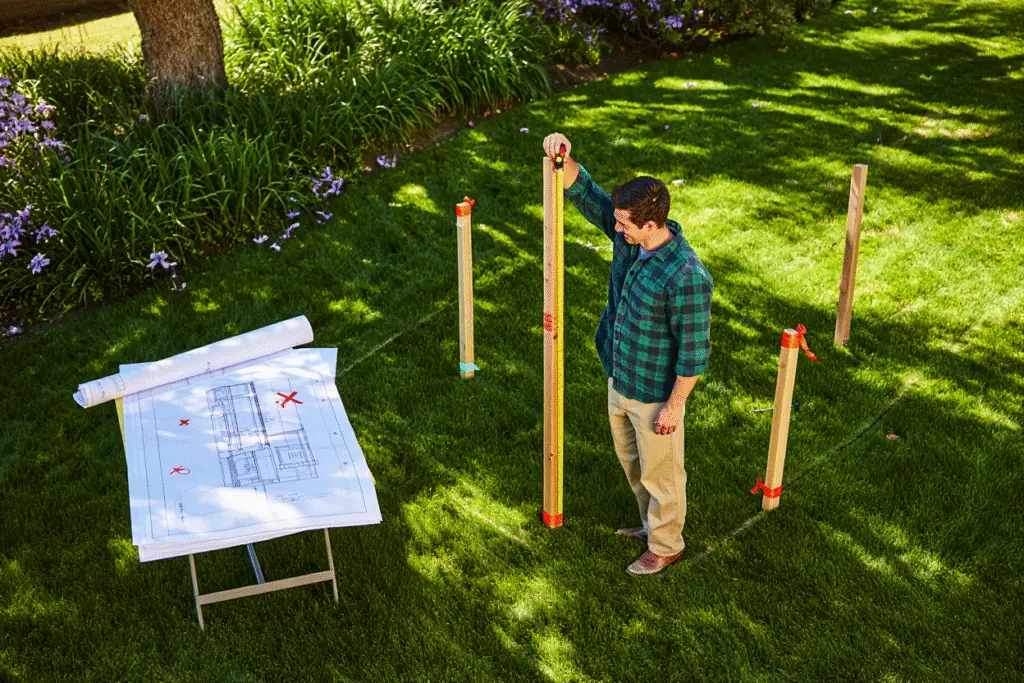
Your foundation must be level within ±1/4 inch across 10 feet and square within ±1/8 inch diagonal difference. Use a 4-foot level and measure both diagonals—if they differ by more than 1/8″, reset before framing.
Step-by-Step Installation Guide
For those ready to build their own pine garden studio, following a clear process is key.
First, you need to prepare the foundation. This is the most critical step. Choose your foundation type (e.g., concrete slab, pavers, or foundation blocks). Ensure it is perfectly level and square according to the manufacturer’s specifications. An uneven base will cause problems with the entire structure.
- Unpack and Organize. Lay out all the components and check them against the parts list. Group similar pieces together. This will make the assembly process much smoother.
- Assemble the Floor Frame. Construct the base frame and secure it to your foundation. Install the floor joists and then the flooring panels.
- Erect the Walls. Following the instructions, lift the wall panels into place one by one. Secure them to the floor and to each other. This step usually requires at least two people.
- Install the Roof. Assemble the roof trusses or panels and lift them into place. Secure the roof structure and then add the roofing material, such as shingles or metal sheeting.
- Fit Doors and Windows. Carefully install the door and window units. Ensure they are level and operate smoothly. Seal around the frames to make them weatherproof.
- Finishing Touches. Install any interior finishes, run electrical wiring (with a professional), and apply exterior paint or sealant.
Hiring a Professional Team
Hiring professionals offers peace of mind. Experienced installers can often assemble a backyard pine studio in just a day or two. They have all the necessary tools and expertise to ensure a perfect result. This option is ideal for those who are not confident in their DIY skills or simply don’t have the time. The installation cost is an added expense, but it comes with a guarantee of quality workmanship.
“Using a professional installer eliminates the risk of costly mistakes,” notes Tom Silva, a general contractor. “They can often spot and solve potential issues with the site or foundation that a DIYer might miss.”
For a stress-free experience and a perfectly constructed building, professional installation is often worth the investment.
Maintenance Tips
A pine building, like any wood structure, requires some regular maintenance to keep it looking its best and to ensure its longevity. Fortunately, the upkeep for a modern pine garden studio is relatively straightforward. A little bit of attention each year can prevent minor issues from becoming major problems. Proper maintenance protects your investment and ensures your outdoor workspace remains a beautiful and functional part of your property for years to come.
Real-Life Examples
Consider the case of Sarah, a graphic designer in North Carolina. She invested in an outdoor office cabin five years ago. Each spring, she washes the exterior walls with a mild detergent to remove dirt and pollen. Every two to three years, she applies a fresh coat of protective sealant. “It’s an afternoon of work, but it keeps the pine looking rich and new,” she says. “I also clear any leaves or debris from the roof and gutters to prevent water damage.” Her simple routine has kept her studio in pristine condition.
Another example is Mark, a musician in Oregon, who uses his backyard pine studio for practice. Due to the damp climate, he pays close attention to ventilation. He makes sure to open the windows regularly to prevent any mustiness and checks the seals around his windows and doors annually to ensure they remain watertight. This proactive approach has prevented any issues with moisture or mold.
Long-Term Care and Protection
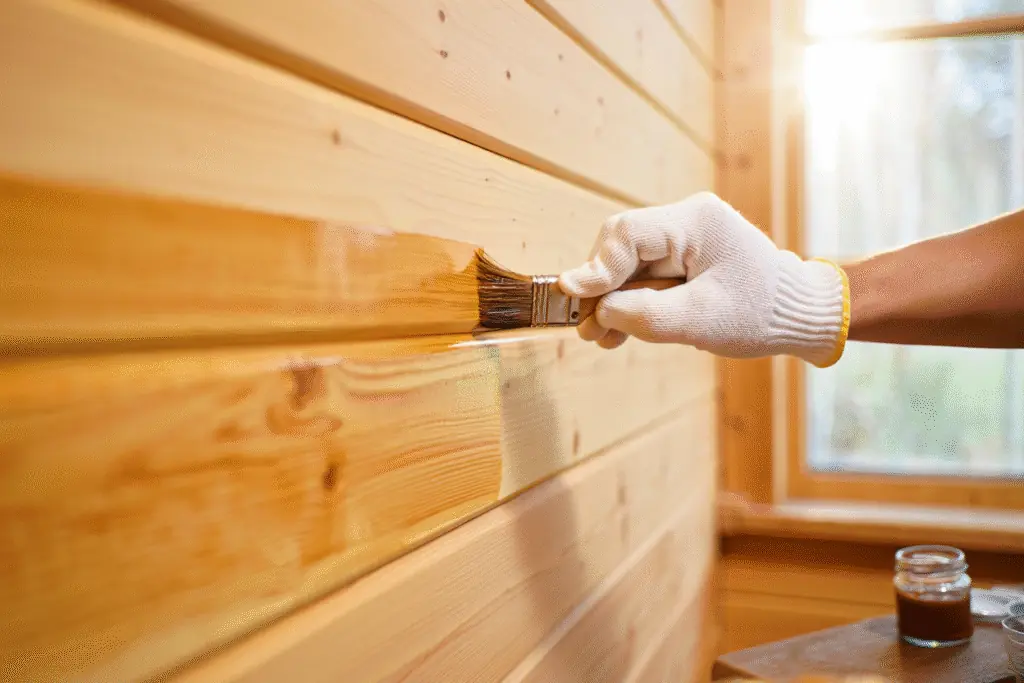
The most important maintenance task is treating the exterior wood. The frequency depends on your climate and the type of finish used. In dry climates (under 30″ annual rainfall), stain lasts 4–5 years. In wet/humid zones (over 45″ rainfall like Pacific NW or Gulf Coast), reapply every 2–3 years—check for graying wood as your visual cue. A clear sealant might need to be reapplied more often, perhaps every 2-3 years.
Inspect the structure annually for any signs of damage, such as cracks in the wood, peeling paint, or damaged roofing. Check the seals around doors and windows and re-caulk if necessary to prevent drafts and leaks. Keeping the area around the base of the studio clear of vegetation and debris will also help promote air circulation and prevent moisture from accumulating against the wood. Following these simple steps will ensure your pine garden room stands the test of time.
FAQ
How can I make my garden studio feel more spacious?
To maximize the sense of space, use light colors on the walls and ceiling. Incorporate mirrors to reflect light and create an illusion of depth. Choose multi-functional furniture, such as a desk with built-in storage or a fold-down table. Large windows and glass doors also help to connect the interior with the open space of the garden, making the room feel larger.
Why is pine a good choice for a garden building?
Pine is an excellent choice due to its combination of affordability, natural beauty, and durability when treated. It’s a sustainable and renewable resource that is easy to work with, allowing for a wide range of designs. Its natural insulating properties also contribute to a more comfortable and energy-efficient building compared to metal or plastic sheds.
What is the best foundation for a pine garden studio?
The best foundation depends on the size of the studio and your ground conditions. For smaller structures, a simple base of concrete pavers or deck blocks can be sufficient. For larger, heavier buildings, or for areas with unstable soil, a poured concrete slab is the most durable and stable option. A level and solid foundation is critical to the longevity of your outdoor office cabin.
How do I run internet to my outdoor office cabin?
The most reliable method is to run a shielded outdoor Ethernet cable from your home router to the studio, usually buried in the same trench as the power cable. If that’s not feasible, a powerful mesh Wi-Fi system or a point-to-point wireless bridge can provide a strong and stable connection. A Wi-Fi extender is the simplest but sometimes least reliable option.
Conclusion
Creating a dedicated workspace in your backyard is a powerful move for anyone working from home. It establishes a clear boundary between your professional and personal life, boosting focus and reducing stress. Pine garden studios offer a beautiful, practical, and cost-effective way to achieve this. They are more than just sheds; they are versatile, comfortable extensions of your home that can be adapted for any purpose. From the initial design choice to the final coat of paint, a backyard structure is a project that adds immense value to both your daily routine and your property.
Whether you need a quiet office, a private gym, or a creative retreat, an outdoor room provides the perfect solution. By considering factors like insulation, planning permissions, and maintenance, you can create a space that you will enjoy for many years. If you’re ready to reclaim your work-life balance and invest in a smarter way of living, exploring the world of pine garden studios is your next step. Take a look at the options available and start designing your perfect outdoor escape today.

Before you begin your project, we’ve put together a practical checklist to guide you through every stage. This step-by-step guide ensures you won’t miss any critical details, from planning and budgeting to the final touches. Use it to stay organized and build your dream outdoor workspace with confidence.
Sources
- University of Exeter. (2014). The Relative Benefits of Green Versus Lean Office Space: Three Field Experiments. Journal of Experimental Psychology: Applied, 20(2), 125–136.
- Orff, K. (2016). Toward an Urban Ecology. Monacelli Press.
- Global Workplace Analytics. (2023). Latest Work-at-Home/Telecommuting Statistics.
- Green Retreats. (2025). How Much Value Does a Garden Room Add?
- Urban Land Institute. (2026, January 20). Economist Snapshot: Forecasting Construction Costs Outlook for 2026
- Angi. (2025, November 19). How Much Does It Cost to Build a Home Office?
- Okopod. (2026). Backyard Office Pods in California
- Forest Stewardship Council. (2026). Wood Certification Standards
- This Old House. (2026). Meet the Team: Tom Silva