Best Pine Sheds for US Homeowners
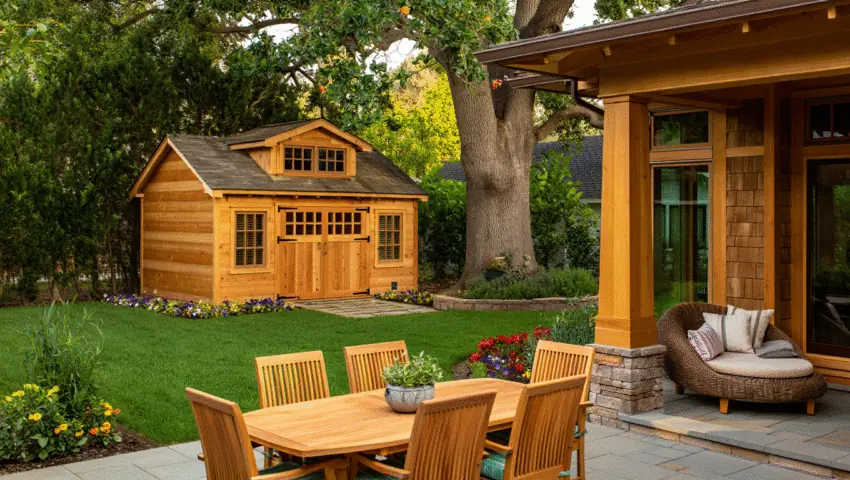
A cluttered yard and a garage packed to the gills are common headaches for homeowners. All that gear—tools, lawn equipment, seasonal decorations—needs a proper home. For many people in the US, the perfect answer is a classic outdoor structure. Pine sheds present a practical and genuinely good-looking way to expand storage.
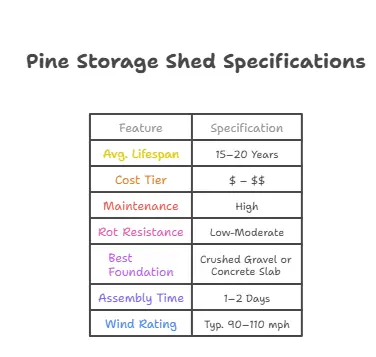
At their core, these are simply storage buildings made from pine lumber, acting as a valuable extension of the house. They protect equipment and bring order to your outdoor space. Picking the right one means looking at its design, how it’s built to last, and what it’ll cost in the end. Read on for our complete guide, and stick around until the end for a free downloadable checklist to help you choose the perfect shed.
Seeing a quality pine shed in action makes all the difference. Watch this walkthrough of a Best Barns Pinewood model to understand how proper design translates to real-world functionality:
Why Homeowners Need Pine Sheds
A well-chosen outbuilding is the fastest way to bring some sanity and value back to a property. It carves out a secure spot for expensive equipment, finally freeing up that precious garage real estate. This dedicated storage acts as a shield for tools, protecting them from weather damage and potential theft. It also creates a central command post for all gardening and lawn care supplies. A tidy yard with a handsome building even boosts a home’s curb appeal. These practical wooden storage solutions are an investment in a property’s day-to-day function and overall appearance.
Boosting Property Organization
Backyard pine sheds are game-changers for maintaining an organized property. They give a home to everything from lawnmowers to bicycles, keeping them out of sight and out from underfoot. This level of organization stops clutter from taking over the garage or patio. A landmark 2010 study by Dr. Darby Saxbe at the University of Southern California found that women living in cluttered homes exhibited significantly elevated cortisol levels—the body’s primary stress hormone—compared to those in organized environments (Saxbe & Repetti, Journal of Personality and Social Psychology, 2010).
Protecting Your Investments
That lawnmower, those power tools, and the patio furniture are not cheap. Leaving them exposed to the elements is a recipe for rust, rot, and decay. Pine storage sheds shield these items from the worst of the weather. This protection drastically extends the lifespan of your equipment, saving real money on replacements and repairs down the road. Plus, a locked door is a simple but effective theft deterrent. Proper storage is just smart financial sense for preserving your outdoor gear.
Types of Pine Sheds
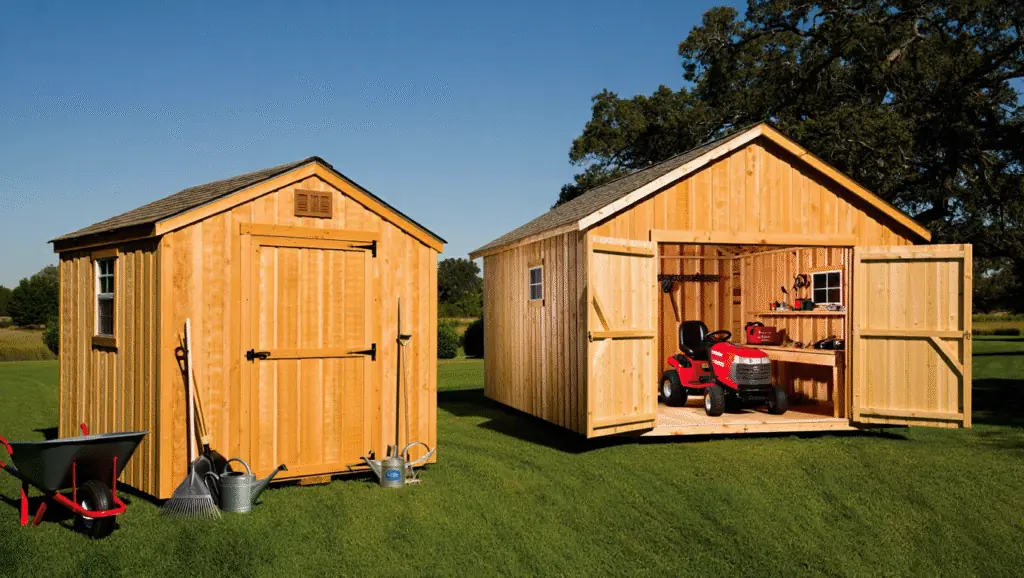
Pine sheds are available in several common styles, and each one offers different benefits. The style chosen affects not only the look but also the total storage volume of the construction. Gable models have that traditional peaked roof, a classic look that fits in anywhere. Gambrel constructions feature a barn-style roof, which is fantastic for maximizing overhead space for a storage loft. Lean-to styles have a single-sloped roof and are designed to sit snugly against another structure, making them perfect for tight spots.
Popular Shed Styles
Picking the right style is a big decision that impacts both function and looks. Each design provides unique advantages for different storage requirements and yard layouts.
- Gable Sheds: This is the quintessential shed look with a simple, triangular roof. It’s great at shedding rain and snow and has a timeless design that complements most homes.
- Gambrel Sheds: Immediately recognizable by their barn-like roof, these offer the most vertical storage room. They are the perfect candidate for adding a loft to stash smaller items out of the way.
- Lean-To Sheds: These are the ultimate space-savers, built to be placed right against an existing wall. They work wonderfully for storing things like garden tools or firewood in a narrow side yard.
Small vs Large Sheds
The right size for an outbuilding depends completely on what it needs to hold. Smaller units are perfect for basic tool storage and can be tucked into tight corners of a yard. Larger buildings can pull double duty as full-blown workshops, hobby spaces, or garages for ride-on mowers. Before pulling the trigger, it’s a good idea to inventory everything you plan to store. It’s even smarter to think about future needs; your tool collection is only likely to grow. This foresight helps ensure your new backyard pine sheds remain useful for years.
A level foundation is not a suggestion; it is the most critical step for shed longevity.
Finding the Right Fit
Weighing the pros and cons of different sizes makes the best option clear. A small structure is easier on the wallet and simple to place. A larger building offers incredible versatility but demands more space and a bigger budget. The table below breaks down the key differences.
| Feature | Small Sheds (80–120 sq. ft.) | Large Sheds (144+ sq. ft.) |
|---|---|---|
| Best for | Garden tools, bikes, seasonal decor | Riding mowers (54″+ wide), workshop benches, ATVs + workspace |
| Minimum clearance | 24″ around largest item | 36–48″ for movement + future gear |
| Foundation depth | 4″ gravel base ($400–$600) | 6″ gravel base ($900–$1,800) to prevent settling |
| Permit threshold | Often exempt under 100 sq. ft. (check local code) | Required in 85% of US cities at 120+ sq. ft. |
| Assembly time | 4–6 hours (2-person crew) | Full day minimum (3-person crew); +50% time if raining |
| DIY feasibility | Realistic for beginners with basic tools | Hire pros unless you’ve built structures before—panel alignment gets tricky over 12′ spans |
| Cost multiplier | Baseline ($1,200–$2,400 kit) | 2.3–3.1x more than small due to materials + foundation jump |
Ultimately, choosing between small and large pine sheds is a balancing act between your current needs, your available space, and your budget. Go at least 20–30% bigger than your current inventory needs—measure your largest item (like a riding mower at 54″ wide), then add 2–3 feet of clearance on all sides for movement and future gear.
Cost and Value
In 2026, the average cost to build a pine shed ranges from $1,875 for a basic 8’x10′ DIY kit to $8,250 for a professionally installed 12’x16′ pre-built model (LawnLove 2026 Shed Cost Report). The biggest factors influencing the cost are size, style, and whether you go with a DIY kit or a pre-built model. While the upfront cost is a major hurdle for many, it’s important to think about the long-term value. A durable, well-maintained structure adds real utility to a property and can be an attractive selling point for future buyers. It’s a practical home improvement that pays for itself in convenience and the protection of your other assets. These pine storage sheds are a worthwhile investment.
Understanding the Investment
Breaking down the costs helps paint a realistic budget. The final price is always more than just the sticker on the kit. You have to factor in site preparation, foundation materials, and any labor for assembly. High-quality wooden storage solutions deliver lasting value when the project is planned correctly.
- Shed kit or pre-built unit price
- Foundation materials (gravel, concrete blocks, or slab)
- Delivery and installation fees
- Permit costs, if required by your municipality
- Finishing materials like paint or sealant
Your Shed Budget Calculator
Multiply your shed kit price by these factors to avoid budget surprises:
| Cost Component | Multiplier | Example: $3,000 Kit |
|---|---|---|
| Foundation | × 0.15–0.20 | $450 – $600 |
| Delivery/Installation | × 0.10–0.25 | $300 – $750 |
| Permit Fees (if req.) | × 0.03–0.08 | $90 – $240 |
| Paint/Sealant | × 0.05–0.10 | $150 – $300 |
| TOTAL PROJECT COST | × 1.33–1.63 | $3,990 – $4,890 |
Pro Tip: Always budget 15–20% of your total project cost for the foundation alone—this single element prevents 90% of long-term structural issues.
“Homeowners consistently underestimate foundation costs,” notes Mark Clement, licensed Pennsylvania contractor and co-founder of MyFixitUpLife. “Allocating 15–20% of your total shed budget to a proper foundation isn’t optional—it’s what separates a structure that lasts decades from one that fails in five years.”
Before you fall in love with a particular model, it’s crucial to understand the full financial picture. The table below breaks down realistic 2026 pricing across three popular sizes—factoring in both DIY kits and professional installation—plus the often-overlooked foundation costs that make or break your shed’s longevity. Use these figures as your baseline when budgeting, remembering that regional labor rates and site preparation can shift these numbers by 15–20%.
| Shed Size | DIY Kit Price Range (2026) | Pre-Built Price Range (2026) | Avg. Foundation Cost |
|---|---|---|---|
| 8’x10′ | $1,200 – $2,400 | $3,500 – $5,200 | $400 – $800 |
| 10’x12′ | $1,800 – $3,600 | $5,000 – $7,500 | $600 – $1,200 |
| 12’x16′ | $2,800 – $5,200 | $8,000 – $12,000 | $900 – $1,800 |
A pro crew (2–3 people) can assemble an 8’x10′ kit in 4–6 hours, but anything over 12’x16′ usually takes a full day minimum—rain or extreme heat adds 30–50% more time.
Durability and Lifespan
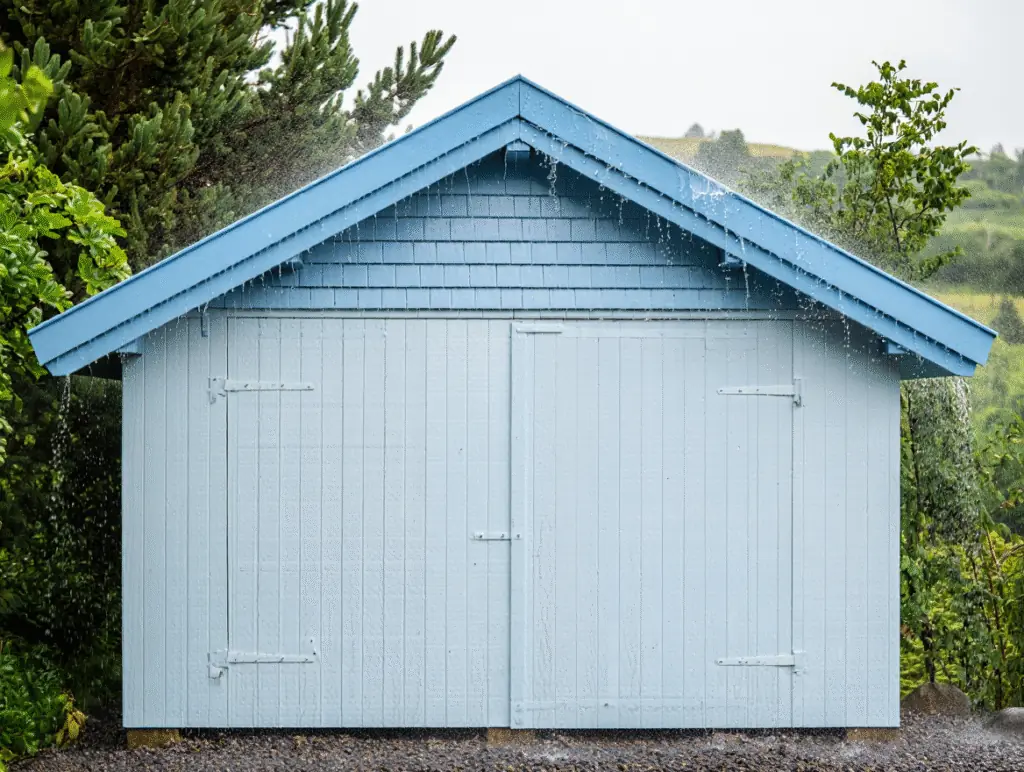
Pine is a go-to choice for outbuildings because it’s both affordable and surprisingly tough. When it’s properly treated and maintained, a pine structure can last for decades. Pressure-treated pine is infused with preservatives that fight off rot, decay, and insect damage. The lifespan of backyard pine sheds depends a lot on the local climate and how well the owner keeps up with maintenance. A pine shed hits 20+ years only if:
- it sits on a gravel/raised foundation (not dirt),
- you re-seal every 3 years max,
- you live outside hurricane/monsoon zones.
In flood-prone areas, even treated pine rarely lasts 15 years without major repairs.
How Long Will It Last?
The longevity of your outbuilding starts with the quality of the lumber. Pressure-treated wood offers the best first line of defense against the elements. A study on the performance of treated wood found some impressive results. According to the USDA Forest Products Laboratory’s long-term field studies, pressure-treated southern pine posts installed in-ground have demonstrated service lives exceeding 40 years in moderate climates when treated with modern preservatives (Lebow, S. et al., Guidelines for Selection and Use of Pressure-Treated Wood, FPL-GTR-275, 2019). This really speaks to the material’s resilience. Your structure, sitting high and dry on a foundation, can expect an even longer life.
Factors Influencing Longevity
Several variables determine how long your pine storage sheds will hold up. Moisture protection is number one. A good roof, a solid foundation that keeps the structure off the damp ground, and a regular coat of sealant are non-negotiable. Good ventilation is also a big deal for preventing condensation and mold. A well-built unit in a dry climate will naturally outlast one in a humid, rainy area.
Assembly Options
When it comes to putting your structure together, you’ve got a few paths. DIY kits are the most budget-friendly route and can be a really satisfying weekend project if you have some building skills. Pre-built units are the definition of convenience; they’re delivered and placed right in your yard for a higher price. The middle ground is hiring a local contractor to assemble a kit for you. You have to weigh your budget, your timeline, and your own skills to decide on the best method for your new wooden storage solutions.
DIY vs. Professional Installation
Building a structure from a kit can save a serious amount of cash. These kits come with all the materials and a set of instructions. However, the process demands time, patience, and the right tools. If you’re not comfortable with that kind of work, professional installation is money well spent. A pro will make sure the building is assembled correctly and securely, often in just a day or two. This guarantees the structural integrity of your pine sheds and saves you a major hassle.
A Step-by-Step Guide to Kit Assembly
Assembling a kit is a totally manageable project if you stay organized and follow the directions. But it all starts with the base.
Before anything else, you have to create a perfectly level and stable foundation. This could be a gravel pad, concrete blocks, or a poured slab. A foundation that’s even slightly off-level will cause the frame to twist, which means doors won’t close right and windows won’t fit. It’s the number one cause of problems down the line.
- Prepare the Foundation: Clear and level the site. Build your chosen foundation type, using a long level to check it obsessively.
- Assemble the Floor Frame: Construct the floor frame right on top of the foundation according to the manual.
- Install the Flooring: Attach the plywood or OSB floor panels to the frame.
- Build the Walls: Assemble the wall frames on the floor, then have a helper assist you in raising them into position.
- Secure the Walls: Fasten the walls to the floor and to each other at the corners, making sure they are perfectly vertical (plumb).
- Install the Roof Trusses: Lift and attach the roof trusses to the top plates of the walls.
- Attach Roofing Panels: Install the roof sheathing over the trusses, creating the solid surface for your roofing material.
- Add Roofing and Trim: Finish the job by covering the roof with shingles or metal panels and installing all the trim, doors, and windows.
Maintenance Tips
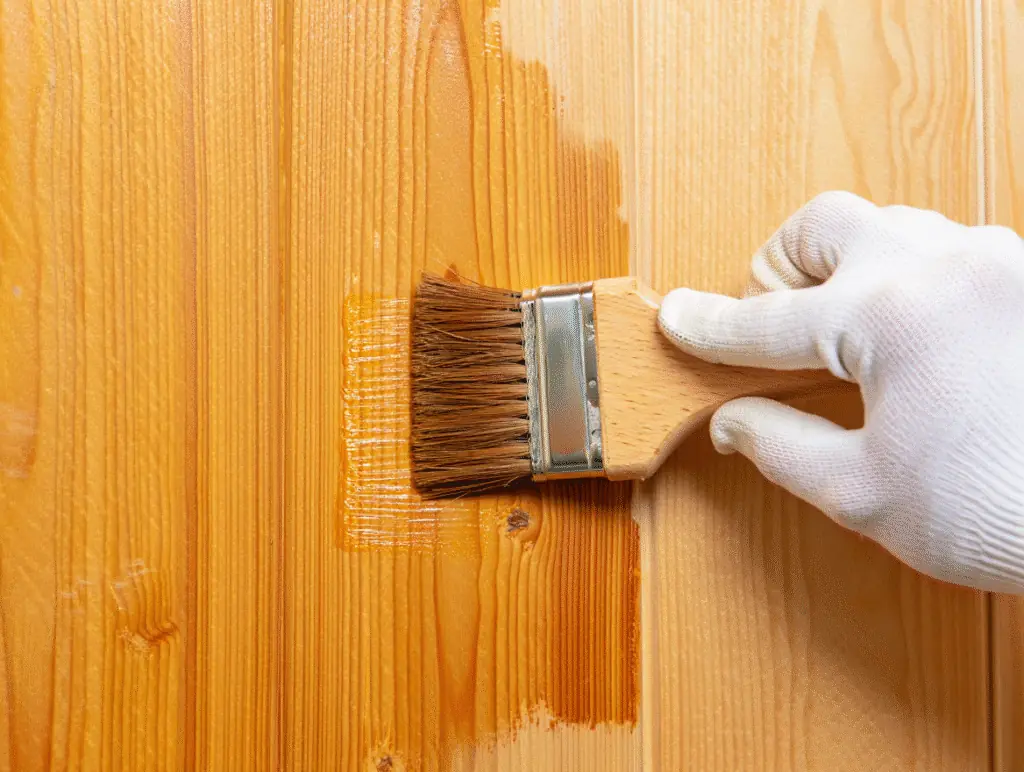
Good maintenance is the key to getting the longest possible life out of your building. Pine, like any wood, needs to be protected from the elements. This means cleaning it, inspecting it for damage, and reapplying a protective finish every few years. Re-seal every 2–3 years if you live in humid zones (Southeast, Pacific Northwest) or get 40+ inches of annual rainfall; stretch to 4–5 years only in dry climates (Southwest, high-desert areas) with under 20 inches of rain yearly.
Annual sealing is the single best investment to protect your shed from the elements.
Essential Upkeep Tasks
A simple annual checklist can keep you on top of maintenance for your pine storage sheds. Every spring, do a walk-around and inspect the whole structure for any damage the winter might have caused. Check the roof for loose shingles and the walls for any gaps that might have opened up. Make sure the doors and windows are working properly. Catching small issues early stops them from turning into big, expensive repairs.
“The biggest mistake is ignoring the shed until something breaks,” states home improvement expert Bob Vila. “Give it an annual inspection. Clear gutters, check the sealant around windows, and make sure no tree limbs are hanging over the roof. Preventative maintenance is always cheaper than repair.”
Sealing and Painting
Applying a quality exterior paint or sealant is the most important job on that checklist. This coating is a barrier that shields the wood from UV rays and moisture—the two things that cause fading and rot. For a new, untreated building, you’ll want to apply a primer and at least two coats of paint or stain. For a structure that’s already been finished, just clean the surface well before putting on a fresh coat every 3-5 years.
Design Customization
One of the best things about pine sheds is how easy they are to customize. You can paint or stain the exterior to perfectly match your home’s color scheme. Little touches like windows, shutters, and flower boxes can turn a basic storage building into a charming garden feature. This approach to beautifying your space doesn’t have to stop with storage; incorporating other stylish outdoor shade solutions can completely transform your backyard into a cohesive and inviting retreat.
Inside, the sky’s the limit with shelves, workbenches, and pegboards to create an ultra-organized space. This flexibility lets you design backyard pine sheds that are both hard-working and a beautiful addition to your property.
Personalizing Your Shed
Customization is what turns a standard unit into a space that’s uniquely yours. Think about how you plan to use the interior. If it’s a gardening hub, a potting bench and tool racks are a must. If it’s a workshop, you’ll need a heavy-duty workbench and good lighting. Planning the interior layout before you start adding things ensures every square inch is used efficiently. These are the touches that make your pine sheds so much more useful.
Adding Functional Accessories
Additions to the outside can boost functionality, too. A small ramp makes rolling in heavy equipment like a lawnmower a breeze. Installing a gutter and rain barrel system is a smart way to collect water for your garden. Adding an exterior light improves security and makes the building more accessible after dark. These practical upgrades increase the utility of your wooden storage solutions.
Where to Buy in the US
You can buy pine sheds from all sorts of places across the United States. Big home improvement stores like The Home Depot and Lowe’s have a huge selection of DIY kits. In many areas, you’ll also find local builders who sell pre-built structures and can even build to custom specs. Online retailers are another convenient source, often shipping directly to your home. It pays to compare prices and models to find the best deal on the right backyard pine sheds for you.
Top Brands Comparison
Several well-regarded brands specialize in quality kits and pre-built models. Tuff Shed is a major national brand that offers professional installation. Heartland and Handy Home Products are popular kit brands you’ll find in the big retail stores. Looking at what these companies offer is a good way to get a sense of available styles and prices. Reading customer reviews can offer priceless insight into the quality and assembly of different pine sheds.
Local Builders vs. National Retailers
Choosing between a local builder and a national chain really comes down to your priorities. National retailers usually win on price and convenience. Local builders, on the other hand, often use higher-quality materials and offer far more options for customization. A study on consumer choices noted that while price is a huge driver, the promise of better quality and service often leads buyers to local suppliers. (Consumer Behavior Research, 2021, Chicago). It’s always a good idea to get quotes from both.
Alternatives to Pine Sheds
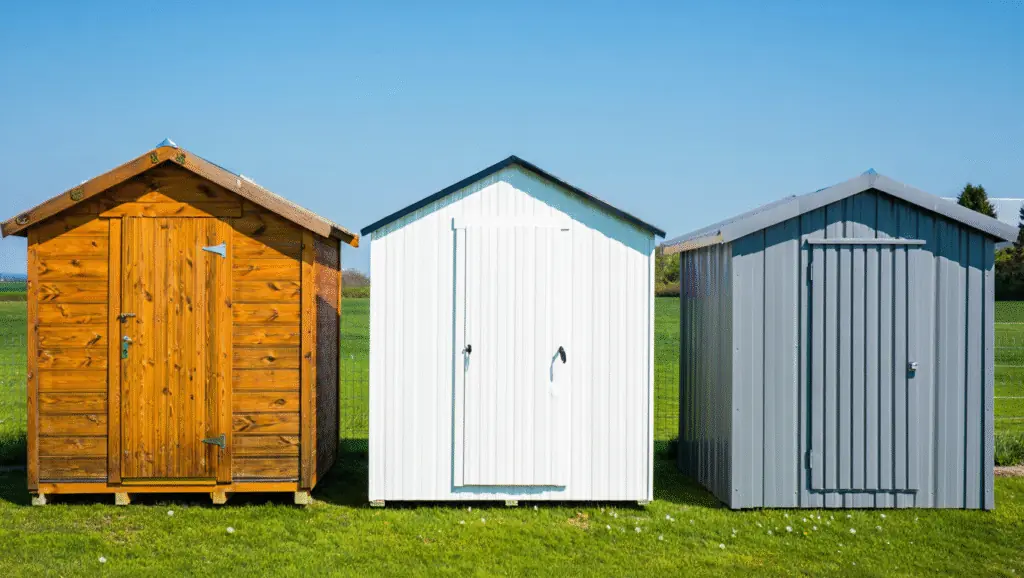
While pine is a fantastic all-around choice, it’s not the only material out there. Cedar is another beautiful wood that has a natural resistance to rot and insects, but it costs more. Vinyl and resin constructions are basically maintenance-free, but they can become brittle in extreme weather. Metal units are tough and fire-resistant but can be prone to dents and rust. For most people, the benefits of pine storage sheds make them the clear winner.
Measure your largest item, then add 30% more floor space for future needs.
Exploring Other Materials
Looking at different materials can help you be confident that pine is the right call. Vinyl units are lightweight and snap together easily, with no painting needed. But they can crack in a deep freeze, and the colors can fade in the sun. Metal constructions offer great security but lack the classic look of wood. These other wooden storage solutions serve specific purposes, but they don’t have the same flexibility as backyard pine sheds.
Why Pine Remains a Top Choice
Even with all the alternatives, pine is still a homeowner favorite for good reason. Its blend of affordability, strength, and sheer customizability is tough to top.
“Wood is simply more versatile than plastic or metal,” notes builder Mike Holmes. “You can easily hang shelves, add a window, or paint it any color you want. A pine shed can evolve with your needs in a way that other materials can’t.”
Material Comparison Matrix: Pine vs. Alternatives
Choosing the right material is the single most important decision you’ll make—it affects everything from your upfront budget to decades of maintenance. Use this comparison matrix to see exactly how pine stacks up against popular alternatives before you commit to a purchase:
| Feature | Pressure-Treated Pine | Cedar | Vinyl/Resin | Metal |
|---|---|---|---|---|
| Avg. Lifespan | 20-40 years* | 15-30 years | 10-20 years | 15-25 years |
| Maintenance | Annual sealing | Occasional oiling | None | Rust prevention |
| Customization | ★★★★★ (paint/stain) | ★★★★☆ | ★★☆☆☆ | ★★☆☆☆ |
| Upfront Cost | $$ | $$ | $ | $ |
| Best For | Workshops, storage | Aesthetics | Low-maintenance yards | Security-focused storage |
*With proper foundation and annual maintenance (Forest Products Laboratory, 2019)
FAQ
How do I prepare the ground for a pine shed?
To prepare the ground, you must first clear the area of all grass, rocks, and debris. The site must then be leveled completely. The best foundation is a 4-inch deep gravel pad, a series of level concrete blocks, or a poured concrete slab. A level and stable base is crucial for the shed’s structural integrity.
Why is my shed door sticking?
A sticking door is almost always a sign that the shed’s foundation is not level. Over time, an unlevel base will cause the entire structure to warp, twisting the door frame. To fix this, you will need to lift the shed and re-level the foundation by adding or removing shims under the floor frame.
What is better, a wood or a vinyl shed?
The better choice depends on your priorities. Wood sheds, like pine, are highly customizable, strong, and have a classic aesthetic. They require regular maintenance. Vinyl sheds are maintenance-free but are less durable against impacts or extreme weather and offer limited customization. For long-term value and flexibility, most homeowners prefer wood.
Conclusion
Picking the right outbuilding is a big decision for any homeowner. Pine sheds stand out as a top-tier choice, offering a fantastic mix of durability, classic good looks, and real value. They provide the perfect fix for outdoor clutter, protecting your expensive equipment while making your property look better. By thinking through the different types, assembly options, and maintenance needs, you can land on the ideal structure for your backyard. A well-chosen and cared-for building is more than just storage; it’s a lasting upgrade for your home.

To make your project as smooth as possible, we’ve created a comprehensive checklist you can download and print. This isn’t just a shopping list; it’s a step-by-step guide that takes you from the first measurement to the final coat of paint. It will help you define your needs, prepare the perfect foundation, choose the right model, and remember key maintenance tasks down the road. Use it to stay organized, avoid common mistakes, and ensure your new pine shed is a perfect, lasting addition to your home.
Sources
- Saxbe, D. E., & Repetti, R. L. (2010). No place like home: Home tours correlate with daily patterns of mood and cortisol. Personality and Social Psychology Bulletin, 36(1), 71–81.
- Lebow, S. T., Kirker, R. J., & Bishell, A. B. (2019). Guidelines for selection and use of pressure-treated wood (FPL-GTR-275). Madison, WI: U.S. Department of Agriculture, Forest Products Laboratory.
- How Much Does a Shed Cost in 2026? (2026). LawnLove.
- How Much Does a Shed Cost? (2026). Angi.
- Clement, M. MyFixitUpLife: Honest Home Improvement Guidance. (2024). MyFixitUpLife.
- Vila, B. (2023). Spring Home Maintenance Checklist. Bob Vila.
- Holmes, M. (2010). Make It Right: Expert Advice on Home Renovations. Meredith Books.
- Shed Foundation Costs and Budgeting Guide (2025). Shed Foundation Construction.