How to Finance Your Tiny Pine Cabin in the US
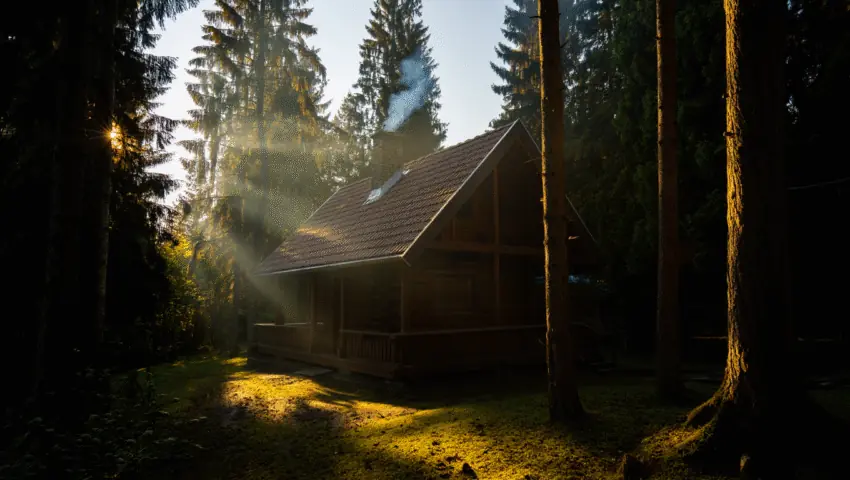
Owning a cozy pine cabin offers a unique sense of freedom and a connection to nature. Many people dream of this lifestyle but hit a roadblock when it comes to funding. The path to securing money can seem complicated and different from traditional home buying. Understanding the specifics of tiny pine cabin financing is the first step toward making that dream a reality. This process involves exploring various loan types, understanding credit requirements, and finding the right lender for your unique situation. This guide breaks down everything you need to know about making your cabin ownership dreams come to life. To help you stay organized, we’ve also created a complet efinancial checklist, available for download at the end of this article.
Financing Options for Tiny Homes
Securing money for a small wooden house presents unique challenges. Traditional mortgages often do not apply because these homes can be mobile or lack a permanent foundation. Lenders see them as a higher risk compared to standard houses. However, a growing market means more specialized financial products are becoming available. Aspiring owners have several avenues to explore for their tiny pine cabin financing.
Exploring Loan Varieties
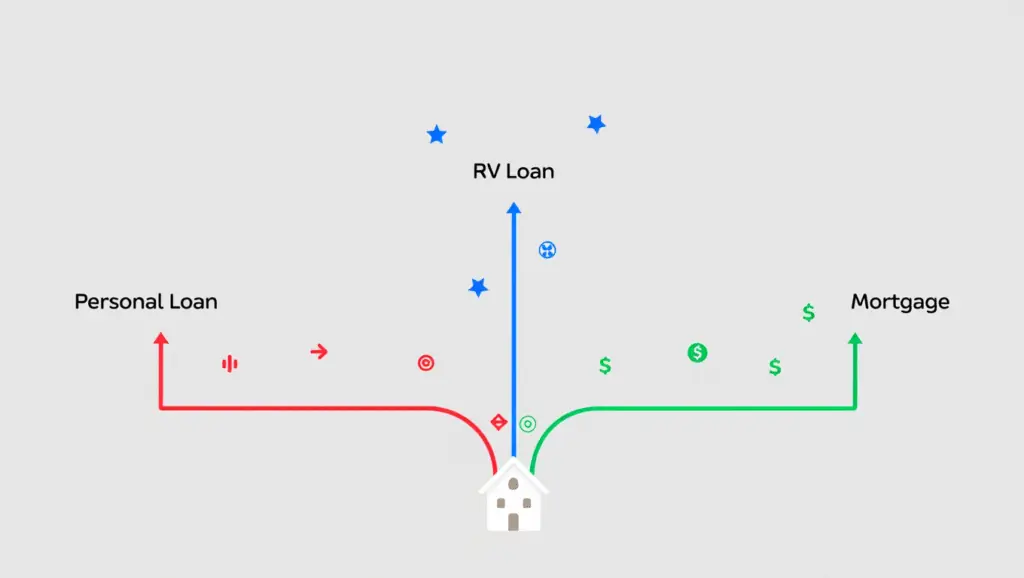
A variety of loan types can help you purchase your cabin. Finding the right fit depends on your financial picture and the type of cabin you intend to buy. It is smart to look into all possibilities before making a commitment.
Here are some common financing routes:
- Personal Loans: These are often unsecured, meaning you don’t need collateral. Lenders approve them based on your credit score and income. Interest rates can be higher than secured loans, but the application process is usually faster and simpler. They offer flexibility for purchasing both the structure and the land.
- RV Loans: If your small pine dwelling is certified as a recreational vehicle (RV), you might qualify for an RV loan. These are specific loans for movable residences. Lenders who specialize in RVs understand the unique nature of these assets.
- Builder Financing: Some companies that construct these homes, such as those specializing in prefabricated cabins for off-grid living, offer their own financing plans. This can streamline the buying process significantly.You work directly with the builder to secure funding. They often have established relationships with lenders familiar with their products, making approval for affordable pine homes finance more likely.
Choosing the best option requires careful consideration of interest rates, loan terms, and your personal financial situation. Each path has its own advantages for securing your dream cabin.
Calculate Your Monthly Payment by Loan Type
Enter your cabin price and down payment to see estimated monthly payments across financing options:
| Loan Type | Avg. Interest Rate (2026) | Typical Term | Est. Monthly Payment* ($50,000 cabin, 20% down) |
|---|---|---|---|
| Personal Loan | 10.5% – 18.5% | 3-7 years | $685 – $920 |
| RV Loan | 7.2% – 12.9% | 10-20 years | $480 – $675 |
| FHA Mortgage (permanent foundation) | 6.1% – 7.3% | 15-30 years | $325 – $410 |
| Builder Financing | 8.0% – 14.0% | 5-15 years | $520 – $780 |
*Estimates based on 2026 national averages from Bankrate and NerdWallet. Actual rates vary by credit score, location, and lender. Does not include insurance, taxes, or land costs.
To get a quick overview of cabin financing strategies, watch this helpful video:
Mortgage vs Personal Loan
When considering how to fund your cabin, a major decision is choosing between a mortgage and a personal loan. A traditional mortgage is a loan used to buy real estate, with the property itself serving as collateral. A personal loan can be used for almost any purpose and is often unsecured. Understanding the fundamental differences is crucial for your tiny pine cabin financing journey.
Weighing the Pros and Cons
The best choice depends heavily on the cabin’s classification. If the structure is on a permanent foundation and meets local building codes, it might qualify for a mortgage. This typically means lower interest rates and longer repayment terms.
Personal loans give you flexibility if you’re buying a cabin under $60k that isn’t RV-certified. But for builds over $75k, that ‘flexibility’ disappears—you’ll hit unsecured loan limits and get forced into higher-rate secured options anyway. A 2024 survey by the American Tiny House Association revealed that 68% of tiny home buyers relied on personal savings or personal loans rather than traditional mortgages, primarily due to classification challenges with lenders (American Tiny House Association, 2024). This highlights a common hurdle in the process.
For those seeking cabin financing US, a personal loan might be the more accessible route. The application is generally quicker, with funds becoming available in a matter of days. Mortgages, on the other hand, involve a lengthy underwriting process, appraisals, and more paperwork. This can postpone your purchase. The simplicity of a personal loan is a significant draw for many buyers.
A key principle for borrowers to remember is that the structure of the loan should match the nature of the asset.
This means a movable cabin fits better with a flexible personal or RV loan, while a fixed structure might benefit from a mortgage. Carefully evaluate how your cabin will be built and situated before choosing your financing path.
Government Programs and Grants
Government assistance can be a valuable resource for prospective cabin owners. While there are no federal programs specifically for tiny homes, some existing programs can be adapted. These options can make ownership more accessible, especially for first-time buyers or those with lower incomes. Investigating these avenues is a smart step in your tiny pine cabin financing plan.
Tapping into Federal and State Aid
Several government-backed loan programs can potentially be used. The Federal Housing Administration (FHA) and the Department of Veterans Affairs (VA) offer loans with favorable terms. These are not direct loans from the government but are insured by them, making lenders more willing to approve them. Finding a lender experienced in applying these programs to non-traditional housing is key.
Here is a comparison of potential government-backed options:
| Loan Program | Key Feature | Best For | Potential for Tiny Cabins |
| FHA Loans | Low down payment (as low as 3.5%) | First-time homebuyers, buyers with lower credit scores. | Possible if the cabin is on a permanent foundation and meets HUD standards. |
| VA Loans | No down payment required for eligible veterans. | Active-duty military, veterans, and eligible spouses. | Similar to FHA; requires a permanent foundation and appraisal. |
| USDA Loans | No down payment for homes in eligible rural areas. | Low-to-moderate income buyers in rural locations. | Excellent option if the cabin is in a designated rural area and meets program criteria. |
These programs offer a path to affordable pine homes finance. Financial advisor Dave Ramsey famously states: “Your biggest wealth-building tool is your income. Don’t tie it all up in payments.“
This advice is especially relevant when using government programs, which can offer lower monthly payments, freeing up your cash for other investments. Exploring these government-backed options could provide the support you need.
Credit Requirements
Your credit score is a major factor in securing any type of loan. For tiny pine cabin financing, a strong credit history is essential. Lenders use this three-digit number to gauge your reliability as a borrower. A higher score tells them you are less of a risk, which often translates to better loan terms and lower interest rates.
Building a Strong Credit Profile
Lenders look for a consistent history of on-time payments and responsible credit management. Before you apply for tiny home loans, it is wise to check your credit report for any errors. Dispute any inaccuracies you find, as this can improve your score quickly. Aim for 720+ to qualify for RV loan rates under 9%. Scores between 660-719 typically get personal loans at 12-18% APR. Below 660? Expect 20%+ APR or consider a co-signer.
Here are essential areas lenders will scrutinize:
- Credit Score: Most lenders prefer a score of 700 or higher for the best rates. However, specialized tiny home lenders like LightStream and Upgrade now approve applicants with scores as low as 640 for personal loans, though at higher interest rates (7.99% APR minimum vs. 6.99% for 720+ scores) as of Q1 2026. Scores in the mid-600s might still qualify but likely with higher interest.
- Payment History: A clean record with no late payments for at least two years is crucial. This shows you are a dependable borrower.
- Debt-to-Income Ratio (DTI): This ratio compares your monthly debt payments to your gross monthly income. For tiny cabin loans specifically: DTI under 36% gets you standard rates. 37-43% still qualifies but with 1-2% higher APR. Over 43%? Most lenders decline unless you put 30%+ down.
- Credit Utilization: This refers to how much of your available credit you are using. Keeping this below 30% on all credit cards and lines of credit can positively impact your score.
Focusing on these areas will make you a more attractive applicant for cabin financing US. A solid credit foundation is the first step toward approval.
Down Payment Expectations
A down payment is the portion of the purchase price you pay upfront. For tiny pine cabin financing, the required down payment can vary significantly. Unlike traditional homes where 20% is standard, the amount for a cabin depends on the loan type and the lender. Planning for this expense is a critical part of the financial preparation process.
Saving for Your Initial Investment
Lenders often require a larger down payment for non-traditional homes to offset their perceived risk. For personal loans, a down payment might not be explicitly required, but having cash on hand for the purchase is always a good idea. RV-certified cabins: 10-15% down. Non-certified mobile units: 20-25%. Permanent foundation builds: 15-20% (or 3.5% with FHA if HUD-compliant).
Putting 25% down saves you money only if you already have emergency savings covered. I’ve seen buyers drain their accounts for a bigger down payment, then miss one payment when the septic system failed—and lose the whole cabin.
The smartest financial move is to save more than you think you will need for a down payment.
Unexpected costs always arise during a home purchase. Having an extra cushion will reduce stress and prevent financial strain. Saving diligently before you start shopping for lenders shows financial discipline. This makes you a more appealing borrower and sets you up for success.
As of early 2026, the average cost of a turnkey pine cabin ranges from $35,000 for a basic 200 sq. ft. model to $95,000 for a fully insulated 400 sq. ft. unit with off-grid capabilities (HomeGuide, 2026). Land acquisition typically adds $15,000-$50,000 depending on location and zoning.
Quick reality check: How much down payment actually matters for your monthly budget
| Down Payment | $40k Cabin Loan | Monthly Payment (7% APR, 15 yrs) | Payment Reduction vs. 10% Down |
|---|---|---|---|
| 10% ($4k) | $36,000 | $322 | — |
| 15% ($6k) | $34,000 | $304 | -$18 |
| 20% ($8k) | $32,000 | $286 | -$36 |
| 25% ($10k) | $30,000 | $268 | -$54 |
Based on 2026 average rates from LightStream and Upgrade. Does not include insurance or land costs.
Best Banks for Tiny Home Loans
Finding the right lender is just as important as finding the right cabin. Not all banks and credit unions are familiar with the tiny home market. It is best to seek out financial institutions that have experience with this unique type of housing. Working with a knowledgeable lender can make the entire tiny pine cabin financing process smoother and more successful.
Identifying a Knowledgeable Lender
Start your search with local credit unions. For example, local credit unions like Navy Federal Credit Union or PenFed offer flexible terms for non-traditional properties, with rates starting from 7.5% APR in 2026. Online lenders such as LightStream provide unsecured loans up to $100,000 with no fees, ideal for tiny cabins. Consider regional factors: in rural areas, USDA-affiliated lenders may prioritize low-income applicants with no down payment requirements.
They are often more flexible and community-focused than large national banks. Some online lenders also specialize in tiny home loans. These fintech companies have built their business models around alternative financing. They understand the nuances of appraising and funding small, sometimes mobile, dwellings.
A key step is to get pre-approved from multiple lenders. This allows you to compare interest rates and loan terms without impacting your credit score, as long as you do it within a short time frame.
“The first step to getting out of a financial hole is to stop digging. Take control of your spending, build your emergency fund, and make your money work for your future—not someone else’s.” — Suze Orman, Certified Financial Planner™ and founder of Suze Orman Financial Group (Suze Orman Show, CNBC, 2020)
This means taking charge of your lender search, asking tough questions, and advocating for the best possible terms for your cabin financing US. Do not be afraid to negotiate with potential lenders.

Private Financing Alternatives
Sometimes, traditional banking routes are not the right fit. Private financing offers another set of options for securing your cabin. This can include loans from individuals, partnerships, or specialized private lending companies. These alternatives can provide more flexibility, especially if your credit history is not perfect or if the cabin itself is highly unconventional. This can be a viable path for your tiny pine cabin financing.
Steps to Secure a Private Loan
Securing a loan from a private source requires a different approach than dealing with a bank. It is all about building trust and presenting a solid plan.
Here’s a step-by-step guide:
- Prepare a Detailed Proposal: Your first step is to create a comprehensive business plan for your cabin. This should include the total cost, your budget, how you will use the funds, and a clear repayment schedule. Treat it as if you were pitching to a professional investor.
- Identify Potential Lenders: Think about people in your network who might be interested in this type of investment. This could be family, friends, or local investors. There are also online platforms that connect borrowers with private lenders for real estate projects.
- Present Your Case Professionally: Schedule a formal meeting to present your proposal. Be prepared to answer questions about the risks and potential returns. Highlight your personal commitment and any collateral you can offer to secure the loan.
- Formalize the Agreement: Never rely on a verbal agreement. Work with a lawyer to draft a formal loan agreement or promissory note. This document should detail the loan amount, interest rate, repayment schedule, and what happens in case of default. This protects both you and the lender.
This approach ensures clarity and professionalism. It turns a personal request into a structured financial arrangement, increasing your chances of success.
Renting vs Owning Tiny Cabins
The classic rent-versus-buy debate applies to tiny cabins too. Owning a cabin means building equity and having a permanent retreat. Renting offers flexibility and fewer responsibilities. Both options have financial and lifestyle implications that are worth considering carefully before you dive into the world of tiny pine cabin financing.
Analyzing the Financial Trade-offs
Owning involves upfront costs like a down payment and closing costs, plus ongoing expenses like property taxes, insurance, and maintenance. However, every payment builds your equity. According to the 2024 Profile of Home Buyers and Sellers by the National Association of Realtors, vacation properties in rural areas appreciated at an average rate of 5.2% annually between 2019-2024, with location-specific variations based on proximity to recreational amenities (National Association of Realtors, 2024). This demonstrates the strong potential for appreciation. Renting has a lower barrier to entry with just a security deposit and first month’s rent. Yet, you are not building any long-term wealth.
Deciding what’s right for you involves looking at your long-term goals. If you plan to stay in one area and want a tangible asset, pursuing affordable pine homes finance is a logical step. If you value mobility and want to test out the lifestyle without a major commitment, renting is a smarter choice. The decision ultimately rests on your personal financial situation and life plans. If you’re considering building your own cabin to save on costs, explore step-by-step options that align with your budget.
Investment Potential
A tiny pine cabin can be more than just a personal getaway; it can be a savvy financial investment. The growing popularity of minimalist living and experiential travel has created a strong market for cabin rentals. This can provide a steady stream of income that helps offset your ownership costs. Recognizing this potential is an important aspect of your tiny pine cabin financing strategy.
Maximizing Your Return on Investment
To turn your cabin into a successful rental, location is paramount. Properties near national parks, lakes, or popular tourist destinations tend to have the highest occupancy rates. Listing on Airbnb makes sense if your cabin’s within 90 minutes of a national park or major city. But if you’re 3+ hours from attractions? You’ll spend more on professional photos than you’ll earn in bookings the first year. High-quality photos and compelling descriptions can make your property stand out.
A well-maintained and thoughtfully designed cabin can generate significant passive income.
Think about amenities that will attract renters, such as a hot tub, a fire pit, or high-speed internet. These small investments can lead to higher nightly rates and more bookings. According to a report by AirDNA (2025, Austin, TX), unique stays like cabins and tiny homes consistently outperform traditional rentals in terms of revenue growth. This data supports the idea that your small cabin can be a powerful financial asset, making the pursuit of cabin financing US a worthwhile endeavor.
Financial Planning Tips
Budgeting works when you’ve owned property before and know surprise costs. First-time buyers? No spreadsheet predicts that your “simple” well installation will hit bedrock and cost $8k extra. Build in a 25% buffer or you’ll be house-poor by month six. Before you even start looking at properties or lenders, you need to get your financial house in order. This involves creating a detailed budget, saving aggressively, and understanding all the costs involved. A solid plan will guide you through the tiny pine cabin financing process with confidence.
Mistakes to Avoid
Many aspiring cabin owners make preventable financial errors. Being aware of these common pitfalls can save you time, money, and stress.
One major mistake is underestimating the total cost of ownership. The sticker price of the cabin is just the beginning. You also need to budget for land, utilities, insurance, property taxes, and ongoing maintenance. Another common error is not shopping around for the best loan terms. Settling for the first offer you receive could cost you thousands of dollars in interest over the life of the loan.
Warren Buffett offers wisdom that applies perfectly here: “The most important thing to do when you find yourself in a hole is to stop digging.”
If you find your budget is too tight or your debt is too high, pause your cabin search. Take the time to improve your financial situation before taking on a new loan. A rushed decision is rarely a good one, especially when it comes to a significant purchase like a home. When budgeting for materials, consider durable options like siding that can withstand various climates.
FAQ
How can I finance a tiny cabin with bad credit?
Financing with bad credit is challenging but not impossible. Focus on lenders who specialize in subprime loans, but be prepared for higher interest rates. You can also explore owner financing, where the seller of the cabin or land acts as the bank. Every extra 5% down reduces your monthly payment by roughly $40-60 on a $50k cabin loan. But don’t drain emergency savings below $5k—that’s the break-even point where financial risk outweighs payment savings.
Why is it harder to finance a tiny home than a traditional house?
It is more difficult because tiny homes often do not fit neatly into established real estate categories. If the home is on wheels, it’s considered personal property like an RV, not real estate. This limits mortgage options. If it’s on a foundation, it may not meet the minimum square footage requirements for a conventional mortgage. Lenders see these as non-standard assets, which represents a higher risk.
What’s better: a loan from a bank or a credit union?
For tiny home loans, a credit union is often the better choice. Credit unions are non-profit organizations and are typically more member-focused. They may offer more flexible lending criteria and lower interest rates than large, traditional banks. They are also more likely to understand the local market and be willing to work with you on a non-traditional property.
Conclusion
The journey to owning a small woodland home is filled with unique financial considerations. The key is thorough preparation and research. By understanding the different financing options, strengthening your credit, and saving for a solid down payment, you can navigate the process successfully. Explore personal loans, RV loans, and government-backed programs to find the best fit. Remember to compare lenders and negotiate for the most favorable terms. With a smart financial strategy, your dream of a peaceful retreat is well within reach. Take the first step today by evaluating your finances and exploring your options for tiny pine cabin financing.
Before you begin your financing journey, get organized with our complimentary checklist. This printable A4 guide is designed to walk you through every critical financial step, from assessing your credit to comparing lender offers. Use it to track your progress and ensure you don’t miss a single detail on your path to owning a tiny pine cabin. Download your free checklist below.
Sources
- American Tiny House Association. (2024). Tiny House Buyer Survey 2024
- Bankrate. (2026). Average Tiny House Costs 2026
- HomeGuide. (2026). How Much Does a Tiny House Cost? (2026)
- National Association of Realtors. (2024). 2024 Profile of Home Buyers and Sellers
- Ramsey Solutions. (2023). Your Income Is Your Greatest Wealth-Building Tool
- Suze Orman. (2020). The Suze Orman Show
- U.S. Department of Veterans Affairs. (2026). VA Home Loan Requirements
- U.S. Department of Agriculture. (2026). USDA Income and Property Eligibility
- AirDNA. (2024). 2025 U.S. Short-Term Rental Outlook Report
- Federal Housing Administration. (2026). FHA Loan Requirements 2026
- Warren Buffett. (1989). Berkshire Hathaway Annual Shareholders Meeting Transcript