Home Depot Board and Batten Siding: Your Complete Buying Guide
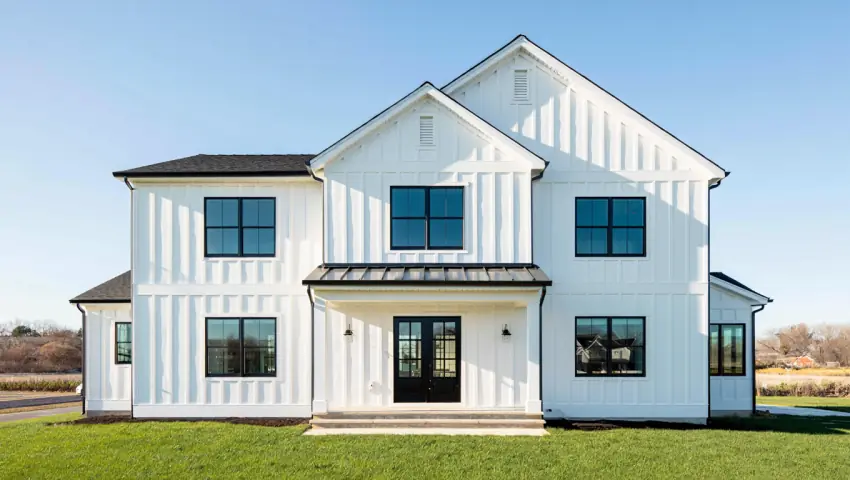
Your home’s exterior acts as the primary shield against the elements, yet many homeowners wait until rot appears before considering Home Depot Board and Batten Siding as a definitive solution. Ignoring failing facades or moisture damage destroys property value faster than almost any other structural neglect, making the selection between vinyl, fiber cement, and engineered wood a high-stakes financial decision. Understanding installation hurdles, material durability, and maintenance needs is the only way to avoid expensive renovation errors. By mastering these details, you will secure a weather-resistant exterior that boosts curb appeal, and you can grab a project checklist at the end to keep the job on track.
Understanding Board and Batten Siding
The resurgence of the “modern farmhouse” style has pushed vertical cladding back into the spotlight, moving it from barns to high-end suburban developments. Understanding what this system actually entails is the first step before driving to the store.
What is Board and Batten Siding?
Historically, this style was born out of necessity and efficiency, not just design. It involves wide vertical planks (the “boards”) joined together, with narrower strips (the “battens”) covering the seams to seal out weather. While early American settlers used raw timber, today’s Home Depot Board and Batten Siding systems utilize advanced materials like fiber cement, treated engineered wood, and high-grade vinyl.
The visual impact comes from the shadow lines created by the battens. Unlike horizontal lap options, which can elongate a house, the vertical lines draw the eye upward, making single-story homes appear taller and adding architectural interest to gables. It serves as a distinct break from the monotony of traditional clapboard, offering a texture that feels both rustic and contemporary.
Design flexibility is the primary advantage here. A homeowner can alter the entire look of a facade simply by changing the spacing of the battens. Use 12-inch batten spacing only on walls wider than 16 feet—anything narrower looks sparse. For walls under 14 feet, stick to 8–10 inch spacing to avoid that ‘unfinished barn’ vibe
Benefits of Board and Batten Siding
Beyond the aesthetic lift, the vertical orientation of the boards offers a functional advantage regarding moisture management. Vertical cladding sheds rain better than horizontal lap siding on walls with a pitch under 5 degrees—but in hurricane zones with driving rain at 45+ degree angles, you still need perfect flashing behind every seam
- Aesthetic Versatility: Board-and-batten elevates Victorian and craftsman homes when used on upper thirds only. On full-height minimalist boxes under 1,200 sq. ft., it often looks busy unless you use ultra-wide 16-inch spacing with black battens.
- Durability: Modern materials sold at major retailers are engineered to resist rot, termites, and fungal decay better than natural wood.
- Ease of Replacement: If a single board gets damaged by a storm or an errant baseball, it is often easier to replace a vertical section than to unweave a course of horizontal planks.
Additionally, many modern board and batten options, like recycled fiber cement, contribute to sustainability by reducing waste and energy consumption over time.
According to the National Association of REALTORS® “Remodeling Impact” report, REALTORS® estimated that a fiber-cement siding project recovers about 86% of its cost at resale (2025, National Association of REALTORS®).
Choosing the Right Style for Your Home
Selecting the right profile involves looking at the existing architecture. Ranch homes over 2,200 sq. ft. can pull off 14–16 inch batten spacing. Anything under 1,800 sq. ft. needs 8–12 inch spacing or the facade looks stretched thin.
Consider the “Rule of Thirds.” Many designers recommend using vertical panels on the upper third of the home (the gables) while keeping lap siding or stone on the bottom. This mixed-material approach breaks up the visual weight of the house. For example, a family in Ohio revamped their split-level home by installing vertical panels solely on the upper protrusions of the house, leaving the brick base intact. This saved on Board and Batten Siding Cost while completely modernizing the curb appeal.
Ensure the batten spacing aligns with window and door frames to avoid awkward, sliver-sized cuts.
Exploring Options at Home Depot
Big-box retailers have shifted their inventory significantly to accommodate the demand for vertical cladding. However, not all products on the shelf are created equal, and stock varies wildly by region.
Types of Board and Batten Siding Available
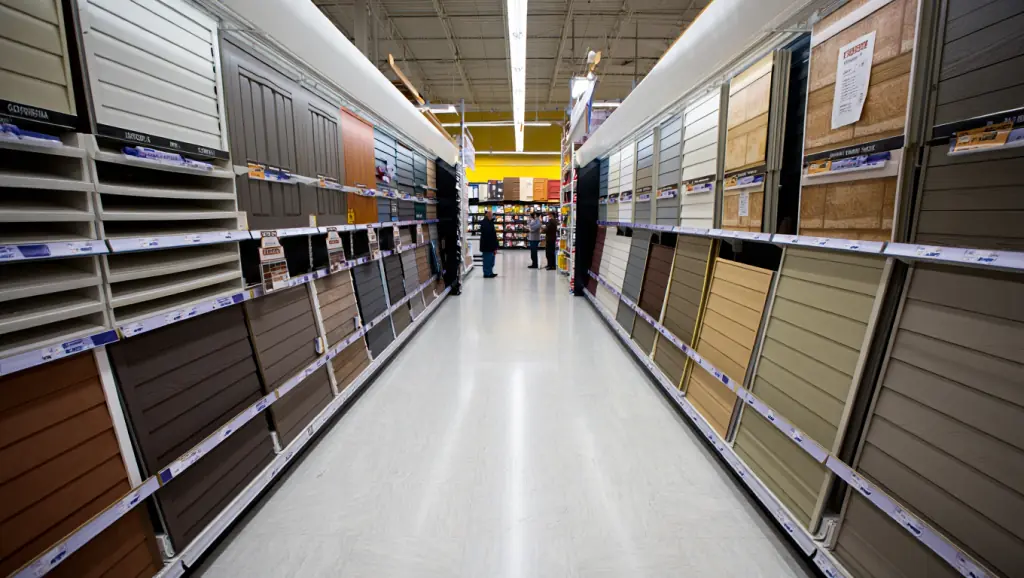
When walking the aisles or browsing online, shoppers generally encounter three main categories. Each requires a different installation approach and budget.
- Vinyl Board and Batten: This is often a single panel molded to look like separate boards and battens. It is the most DIY-friendly option because it locks together like traditional siding.
- Fiber Cement (James Hardie): Heavy, durable, and fire-resistant. This system usually requires buying the flat panels (HardiePanel) and the batten strips (HardieTrim) separately.
- Engineered Wood (LP SmartSide): Made from wood strands coated in wax and resin. It offers the look of real wood with high durability and is lighter to handle than fiber cement.
The video below walks through practical pros/cons so you can match the material to your climate and budget.
Materials and Finishes Offered
Home Depot stocks specific brands that dominate the market. Understanding the composition of these materials is vital for longevity.
- Ply Gem (Vinyl): Generally the entry-level option regarding price. It comes pre-colored, meaning no painting is required, but color choices are limited to stock availability.
- James Hardie (Fiber Cement): Composed of sand, cement, and cellulose fibers. It is impervious to termites and won’t rot. However, it requires specialized cutting tools to handle the silica dust.
- LP SmartSide (Engineered Wood): Treated with zinc borate to resist fungal decay. It cuts like traditional wood, making it a favorite for solo installers who want Home Depot Board and Batten Siding that is easy to manage.
Vinyl Siding Institute guidance on certified insulated vinyl notes that insulated panels typically provide continuous insulation in the range of about R-2.0 to R-3.0, helping reduce thermal bridging through wall framing (2014, Vinyl Siding Institute).
Customization and Color Options
One of the biggest misconceptions is that you are limited to the colors on the shelf. While vinyl comes in fixed colors (whites, greys, tans), fiber cement and engineered wood are often sold “primed.” This allows the homeowner to paint the Home Depot Board and Batten Siding any custom color using high-quality exterior latex paint.
Customization also extends to texture. You can choose a “smooth” finish for a modern, sleek look or a “cedar mill” texture that mimics the rough grain of natural timber. A homeowner in Georgia recently chose the smooth finish HardiePanel to match a mid-century modern renovation, proving that this style isn’t limited to farmhouses.
Order 10% extra for simple rectangular walls. Add 15% if you have 4+ gables or dormers—those angled cuts eat material fast.
Board and Batten Siding Cost Analysis
Budgeting for cladding is tricky because the price tag on the board is only a fraction of the total expense. A transparent look at the numbers helps prevent mid-project panic.
Board and Batten Siding Cost Overview
The average cost to install board and batten siding ranges from $6 to $15 per square foot, including materials and labor. For a standard 1,500-square-foot home, total exterior costs typically fall between $9,000 and $22,500.
| Siding Material | Material Cost (per sq. ft.) | Installed Cost (per sq. ft.) |
| Vinyl | $2.50 – $5.00 | $4.00 – $9.00 |
| Fiber Cement | $1.50 – $6.00 | $6.00 – $13.00 |
| Engineered Wood | $3.00 – $7.00 | $8.00 – $15.00 |
| Natural Cedar | $5.00 – $10.00 | $12.00 – $20.00 |
Factors Affecting the Cost
The Board and Batten Siding Cost fluctuates based on material choice, but hidden factors often bloat the budget. The square footage of the home is the baseline, but the complexity of the geometry matters more. A simple rectangular box is cheap to side; a house with six gables, three dormers, and a wrap-around porch requires significantly more labor and waste material.
Fasteners and trim are the silent budget killers. You aren’t just buying boards; you are buying corner posts, J-channels (for vinyl), drip caps for windows, starter strips, and thousands of nails. For fiber cement, the expense of specialized saw blades and color-matched caulk also adds up. When calculating the final Board and Batten Siding Cost, these consumables must be included.
Comparing Prices: Home Depot vs Competitors
It is crucial to understand where Home Depot fits in the pricing landscape compared to independent lumber yards or hiring a full-service contractor.
| Cost Factor | Home Depot (DIY Material Only) | Independent Lumber Yard | Full-Service Contractor |
| Material Cost | Moderate. Frequent sales on vinyl. | High. Better selection of long lengths (16′). | Highest. Includes markup. |
| Delivery Fees | Low. Often flat-rate curbside delivery. | Varies. Sometimes free with bulk orders. | Included in quote. |
| Availability | High. In-stock pickup for standard items. | Moderate. Custom orders take weeks. | Low. Dependent on supply chain. |
| Return Policy | Excellent. Easy returns for unused boxes. | Strict. Restocking fees common. | N/A. They handle waste. |
| Est. Cost/Sq. Ft. | $2.50 – $6.00 (Material only) | $3.50 – $7.50 (Material only) | $9.00 – $16.00 (Installed) |
The table above illustrates that while the Board and Batten Siding Cost is lowest at a big-box store, the logistical burden falls entirely on the homeowner.
In the 2023 Cost vs. Value Report, the national average for fiber-cement siding replacement was an 88.5% cost recoup at resale (2023, Zonda / Remodeling by JLC).
Budgeting for Your Siding Project
When calculating the final bill for Home Depot Board and Batten Siding, one must include the “invisible” layers. This includes the house wrap (Tyvek or similar), flashing tape for windows, and potentially rigid foam insulation if you are upgrading energy efficiency.
A prudent budget allocates 15% for “consumables.” This covers saw blades, drill bits, caulk tubes that dry out, and the inevitable extra box of nails. For example, a couple in Vermont budgeting $5,000 for materials ended up spending $6,200 solely because they forgot to account for the specialized trim required for their bay windows. Using a spreadsheet to track every screw and panel helps monitor the running Board and Batten Siding Cost effectively.
Never calculate your budget based on the “per board” price; always calculate based on the “per square foot” coverage including overlap.
Installation Process and Tips
Siding installation is not rocket science, but it is high-stakes. A poor installation leads to water infiltration, mold, and structural rot behind the beautiful new facade.
DIY Installation vs Professional Help
Deciding to install Home Depot Board and Batten Siding yourself saves thousands in labor, but it requires physical stamina and specific tools. DIY installation works if your home is under 20 feet tall at the peak and has fewer than three gables. Beyond that, hire a pro—you’ll spend more time wrestling ladders than nailing boards. However, if the home has complex rooflines or is more than two stories high, professional help is safer.
Professional installation ensures warranties remain valid. Many manufacturers like James Hardie have strict installation guidelines (nailing patterns, clearance from grade) that, if violated by a DIYer, void the 30-year warranty.
If you’re installing board-and-batten yourself, the biggest mistakes usually happen at layout (stud planning, spacing, and trim interfaces). This step-by-step install video shows the sequencing clearly so you can avoid rework.
Step-by-Step Installation Guide
Need a visual build sequence before you start measuring and nailing? This step-by-step guide covers planning, wall assembly, and common prep mistakes that also apply to exterior projects. If you proceed with the DIY route using engineered wood or fiber cement, success lies in the prep work.
- Step 1: Surface Preparation. Remove all old cladding and inspect the sheathing (plywood/OSB) for rot. Replace any soft wood. Install a quality weather-resistive barrier (house wrap), taping all seams meticulously.
- Step 2: Flashing and Trim. Install metal flashing above windows and doors (drip caps). Install corner trim pieces first. The panels will butt up against these corners, so they must be perfectly plumb.
- Step 3: Layout and Math. Determine the stud locations. You want to nail the wide boards into studs whenever possible. Calculate your batten spacing to ensure you don’t end up with a tiny 1-inch strip at the corner of the wall.
- Step 4: Installing the Boards. Install the wide vertical panels first. Leave a small expansion gap (usually 1/8 inch) between the panels and the trim to allow for movement. Use a level on every single board.
- Step 5: Installing the Battens. Place the battens over the seams of the boards. You can also add intermediate battens between seams for a denser look. Nail these carefully to avoid splitting the wood.
- Step 6: Caulk and Paint. If the material isn’t pre-finished, caulk all joints where wood meets trim. Prime and paint with high-quality exterior paint to mitigate Board and Batten Siding Cost associated with premature weathering.
In controlled ASTM E547 lab testing of vinyl and fiber-cement wall systems, the NAHB Research Center reported “virtually no visible signs of water penetration… through the weather barrier and flashing system” installed behind the cladding (2002, NAHB Research Center).
Maintenance Tips for Longevity
Low maintenance doesn’t mean “no maintenance.” Vinyl in humid zones (USDA Zones 7–10) needs annual washing to prevent algae. In dry climates (Zones 3–5), every 2–3 years is enough unless you live near a dirt road. Engineered wood and fiber cement need to be inspected annually for caulking failures.
If you spot a crack in the caulk, repair it immediately. Water getting behind the facade can make the long-term Board and Batten Siding Cost explode by rotting the sheathing. Homeowners who perform a “fall walk-around” inspection generally extend the life of their paint job by 3 to 5 years. Regular upkeep ensures your Home Depot Board and Batten Siding remains pristine.
Water management is the priority: ensure your gutters are clean so water doesn’t overflow and splash back onto your new siding.
Customer Reviews and Testimonials
Scanning the reviews on the Home Depot website offers a window into the reality of using these products. The star rating tells part of the story, but the written details reveal the practical pros and cons.
Why Customers Choose Home Depot
Convenience drives 70% of first-time siding buyers under 45—but contractors over 50 still prefer lumber yards for long-length boards (16+ ft) that Home Depot rarely stocks. The ability to rent a truck, buy the siding, get the nails, and pick up a new saw blade in one trip is a massive draw. Furthermore, the return policy is a safety net. If you over-order Home Depot Board and Batten Siding, you can return the unused, undamaged boards for a full refund, which is rarely an option with wholesale lumber yards.
One reviewer noted, “I chose Home Depot because I could buy the project in stages. I did the garage first, paid for it, then did the main house a month later. It helped me manage the cash flow.”
Success Stories from Homeowners
Many successful projects highlighted in reviews come from people who combined products. A common success story involves using the LP SmartSide panels for the vertical look while using PVC trim boards for the skirt boards and corners to ensure the parts touching the ground never rot.
A homeowner in Florida shared, “We were worried about humidity. We went with the Home Depot Board and Batten Siding made of fiber cement. It was heavy to install, but three years later, through two tropical storms, it looks brand new. The paint hasn’t faded a bit.”
Climate note: In freeze-thaw zones (USDA Hardiness Zones 3–5), fiber cement requires 1/4-inch expansion gaps at all joints—double the gap needed in southern climates. Vinyl performs better in extreme cold but expands significantly in desert heat (>110°F).
Seeing an end-to-end project is useful because it reveals the “hidden” steps—prep, flashing details, and how the battens look once the trim is on. This makeover video gives a realistic feel for pacing and results.
Common Feedback and Ratings
The negative feedback often centers on shipping and handling rather than the product itself. A frequent complaint involves pallets of Home Depot Board and Batten Siding arriving with damaged corners due to forklift mishaps.
- Positive: “Easy to paint,” “Transformative look,” “Good value for money.”
- Negative: “Delivered broken,” “Hard to find matching trim in stock,” “Vinyl panels felt flimsy until locked in.”
“In the first Place, as an Ounce of Prevention is worth a Pound of Cure…” — Benjamin Franklin, printer and writer, scientist-inventor, and U.S. Founding Father, in “On Protection of Towns from Fire” (The Pennsylvania Gazette) (1735, National Archives / Founders Online).
Always inspect your delivery immediately upon arrival; do not sign for the shipment until you have checked for crushed corners or forklift damage.
Promotions and Financing Options
Siding an entire house is a capital-intensive project. Smart shoppers utilize financing and sales cycles to lower the effective Board and Batten Siding Cost.
Current Offers and Discounts
Home Depot operates on a seasonal cycle. The best time to buy cladding is often in late winter or early spring (shelf-clearing season) or during major holiday sales like Memorial Day and Labor Day.
Bulk pricing is a “secret” weapon. If your project requires more than $1,500 worth of materials, go to the Pro Desk rather than the standard checkout. They can often run your order through the “Bid Room” (Volume Pricing Program) to see if the system triggers a discount, even if you are not a licensed contractor. This can significantly reduce the Board and Batten Siding Cost for larger homes.
Home Depot Credit Card Benefits
For a project of this scale, the store’s consumer credit card usually offers a choice: a flat discount (usually 5% off) or deferred interest financing (often 6 to 24 months).
- Strategy A: If you have the cash, take the 5% off to immediately reduce the Board and Batten Siding Cost.
- Strategy B: If cash flow is tight, the deferred interest allows you to finish the project now and pay it off over a year.
Financing Your Siding Purchase
For larger projects exceeding the limits of a standard credit card, Home Depot offers a “Project Loan.” This is a fixed-rate loan with a longer term (up to 7 years) and a credit limit of up to $55,000. This is distinct from a credit card; it functions more like a line of credit during the buying phase and then converts to a fixed installment loan, making it easier to afford premium Home Depot Board and Batten Siding. If you’re comparing loan types and approval basics, this primer on financing outlines common options and what lenders usually look for.
Before applying, compare the APR of the Project Loan against a Home Equity Line of Credit (HELOC) from your bank. Sometimes local banks offer lower rates for home improvement projects that increase equity.
Check the “Special Buy of the Day” online daily; siding overstock often appears there with discounts of up to 30%.
FAQs About Home Depot Board and Batten Siding
Homeowners usually have a few specific anxieties before pulling the trigger on a purchase. Here are the practical answers to those lingering doubts.
How much extra siding should I buy to account for waste?
Yes, you absolutely need to buy extra. The industry standard is 10%, but for Board and Batten Siding Cost calculations, you should aim for 15%. This is because the vertical cuts around gables create unusable angles that result in more scrap material than simple rectangular walls.
Is board and batten siding more expensive than horizontal vinyl?
Yes, typically. The Board and Batten Siding Cost is generally 20% to 30% higher than standard horizontal vinyl lap siding. This is due to the increased material complexity (separate boards and battens or specialized molds) and the slightly more labor-intensive installation process required to get the spacing symmetrical.
Can I install Home Depot Board and Batten Siding over old siding?
No, this is rarely a good idea. While some contractors might claim it is possible to go over flat plywood panels, it creates depth issues with windows and doors (they will look sunken). Furthermore, removing the old cladding allows you to inspect the sheathing for rot and install a fresh moisture barrier, which is critical for long-term protection.
What is the best batten spacing for a small house?
For homes under 1,500 sq. ft., use 8–10 inch spacing. For 1,500–2,000 sq. ft., 10–12 inches works. Anything tighter than 8 inches on small walls looks cluttered, not custom. If you space the battens too far apart (like 16 or 24 inches), the house can look sparse and unfinished. Tighter spacing (8 to 10 inches) adds texture and detail, which helps a small facade feel more custom and substantial without inflating the Board and Batten Siding Cost too much.
Does Home Depot cut the siding for you in the store?
No, they do not. While they will cut lumber and plywood to rough lengths for transport, they generally do not cut cladding materials like vinyl, fiber cement, or engineered wood to specific project dimensions. You must have the means to cut the Home Depot Board and Batten Siding at your job site.
Expert Answers
If you’re still deciding whether board-and-batten is the right look (and commitment) for your house, it helps to hear the common failure points and maintenance realities. This explainer covers where vertical siding shines and where it can bite you.
Additional Resources and Support
These documents are not just legal disclaimers; they contain the exact nailing patterns and flashing diagrams needed to pass a building inspection. Do not rely on guesswork; download the manual for your specific product before driving the first nail.
Conclusion
Revamping your home with Home Depot Board and Batten Siding is a significant undertaking, but it is one of the few renovations that completely reinvents the character of a property. By understanding the material differences between vinyl, fiber cement, and engineered wood, and by honestly calculating the full Board and Batten Siding Cost (including the invisible expenses like trim and flashing), you position yourself for a successful build. The “modern farmhouse” look is not just a trend; when executed with quality materials and proper water management, it is a lasting architectural upgrade.
The next step is to stop scrolling and start measuring. For more home-project guides, visit Trimpines. Go outside with a tape measure and a notebook. Sketch your house’s perimeter and calculate the square footage of the walls, subtracting the windows and doors. Once you have that raw data, you can visit the store with confidence, knowing exactly what your project demands.
To ensure you don’t miss a single critical step—from the initial tool rental to the final caulk bead—I have prepared a comprehensive “Siding Project Deployment Checklist” for you. This document breaks down the order of operations so you don’t find yourself needing a corner post at 8 PM on a Sunday.

Are you leaning towards the classic white farmhouse look, or are you planning a bolder, dark finish for your renovation? Tell me about your design vision in the comments below!
Sources
- 2025 Remodeling Impact Report — National Association of REALTORS® (2025).
- CVV Projects – Journal of Light Construction (2023 National) — Zonda Media / Journal of Light Construction (2023).
- Water Intrusion Evaluation for Caulkless Siding, Window, And Door Systems — NAHB Research Center Inc. (2002), published via HUD USER.
- Siding with Energy Efficiency (A25 – 0814) — Vinyl Siding Institute (2014).
- Jason Hensler, 2025, Remodeling Impact Report: Top Projects, Cost Recovery, and Owner Satisfaction — Qualified Remodeler.
- Benjamin Franklin, 1735, On Protection of Towns from Fire, 4 February 1735 — Founders Online (National Archives) / originally printed in The Pennsylvania Gazette.