Christmas Tree Water Temperature – Hot vs Cold Water Debate Solved
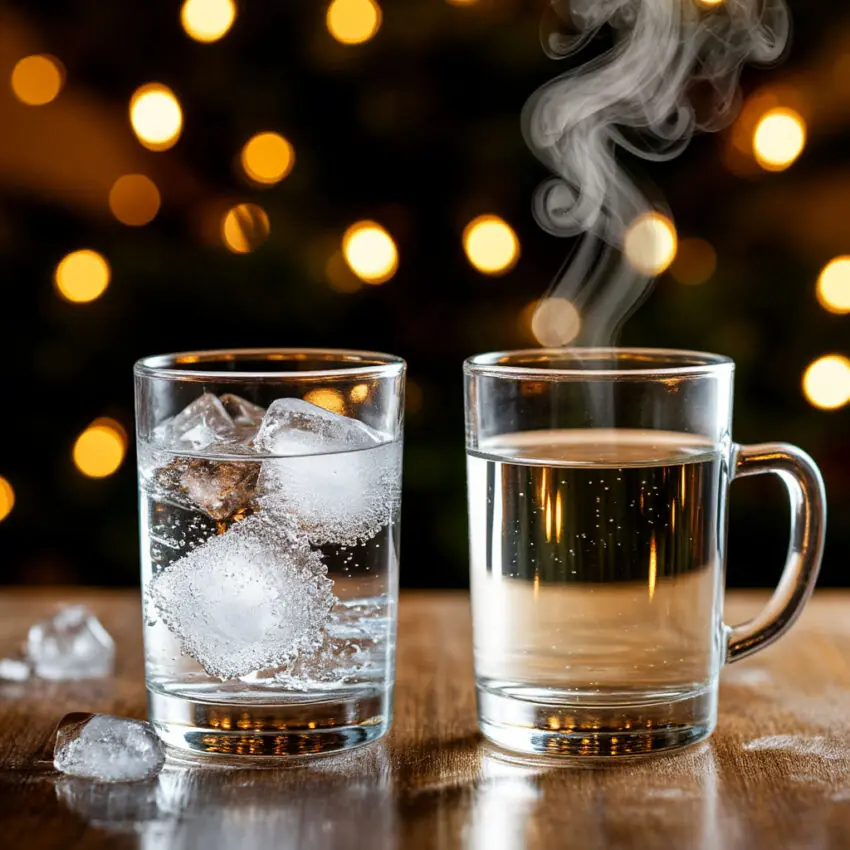
You’ve picked out the perfect Christmas tree, fluffed up the branches, and now it’s time to tackle the big question: what temperature should your tree’s water be? It turns out it’s not just about keeping the stand full — water temperature affects how long your tree stays fresh.
Some people pour warm water, others throw in ice cubes, and sometimes people try boiling the water. But what does science say? We break down the facts, from how trees drink to the ideal temperature for maximum humidity. Spoiler: room temperature wins, but there’s a clever trick to boost absorption early on. Let’s settle the debate once and for all. At the end of the article, you can download a checklist with practical steps on water temperature for a live Christmas tree – when warm water really helps, what temperature to maintain daily, and what to avoid.
The Science Behind Christmas Tree Water Absorption
You’ve picked out the perfect Christmas tree, brought it inside, and now you’re looking at the tree stand and wondering: what temperature should the water be for your Christmas tree? This isn’t just a trivial detail. The right temperature of water for your Christmas tree can mean the difference between a lush, fragrant tree that will last all year long and a dry, needle-dropping mess come Christmas.
To visualize how water temperature impacts your tree’s absorption, check out this quick video on watering secrets that debunks common myths and shows practical tips.
How Trees “Drink” – Xylem Explained
When we talk about what temperature water for your Christmas tree should be, we need to understand how trees actually absorb moisture. That fresh cut on your tree’s trunk exposes thousands of microscopic tubes called xylem. These natural straws work non-stop to lift water from the stand to each needle.
But here’s where the temperature of your Christmas tree water becomes crucial. Xylem tubes are sensitive — they can contract in cold temperatures and expand slightly in hot ones. That’s why the best water for hydrating a Christmas tree is usually room temperature. Too cold, and these tubes contract like a frozen garden hose. Too hot, and you risk damaging the tree’s delicate vascular system.
According to research, the temperature of the water used to fill the stand does not affect water uptake, emphasizing consistent watering over temperature variations (2023, National Christmas Tree Association)
The Great Temperature Debate: Science Weighs In
Let’s settle the hot versus cold water debate for Christmas trees once and for all. You may have heard extreme suggestions, from adding ice cubes to using boiling water for Christmas tree stands. Here’s what actually works:
For freshly cut Fraser fir or similar conifer Christmas trees in a typical indoor home environment (around 68–72°F room temperature) during the initial setup stage, room temperature water (65–75°F) is often the clear winner for daily watering, as it supports consistent absorption without shocking the vascular system. But there’s an interesting exception — some arborists recommend using lukewarm water for Christmas trees (around 100°F) for the very first watering. This gentle heat helps open up the xylem tubes without causing harm, much like how warm water helps cut flowers last longer.
It’s a myth that boiling water for a Christmas tree can temporarily melt the sap clogging the trunk. But unless your tree has been without water for several days, the risks outweigh any benefits. That scalding water can literally cook the living tissue at the base of your tree.
On the other hand, ice water may feel refreshing, but it’s terrible for suction. Cold causes the xylem to contract, and those ice cubes can create an air gap between the trunk and the water. Remember, your tree isn’t drinking a cocktail, it’s trying to survive!
Pro Tips for Maximizing Water Absorption
Now that we’ve answered what temperature your Christmas tree water should be, here are some bonus tips:
- Make a fresh cut. Even if the batch was this, cut another 1/2 inch from the base to expose fresh xylem.
- Skip the additives. For standard home care of healthy, freshly cut pine or spruce trees in their prime condition during the holiday season, plain water at the right temperature (65–75°F) often works better than commercial “tree food,” as additives can sometimes introduce unnecessary chemicals that may harm sensitive xylem in early stages.
- Check the level twice a day. A 6-foot tree can initially drink a gallon every 24 hours.
- Keep it consistent. Sudden changes in Christmas tree water temperature stress the tree.
The bottom line? When it comes to hot or cold water for your Christmas tree, moderation is king. Stick to room temperature for daily waterings, with a little warm first drink to get things flowing. Avoid boiling water for Christmas tree experiments unless you’re dealing with a serious sap blockage.
Use this simple table to track your tree’s watering needs and ensure consistent care.
| Day After Setup | Recommended Water Temperature | Expected Water Consumption (for 6-ft tree) | Notes/Check |
|---|---|---|---|
| Day 1-2 | 100°F (initial lukewarm) | Up to 1 gallon | Fresh cut made? |
| Day 3-7 | 65–75°F (room temp) | 0.5–1 gallon daily | Check level twice |
| Week 2+ | 65–75°F | 0.5 gallon daily | Monitor needles |
Expert Recommendation: Ideal Water Temperature
What temperature should Christmas tree water be to keep it as fresh as possible? After consulting with gardeners and tree care experts, the verdict is clear. In the context of indoor holiday setups for mature, freshly harvested evergreen trees like Douglas fir at the early hydration stage (first 72 hours), warm water (65–75°F) often wins by promoting better initial moisture uptake compared to extremes.
Why Room Temperature Works Best
The best water for hydrating a Christmas tree is what these evergreens naturally get from the winter soil—cool, but not freezing. When you use warm water for your Christmas tree stands (around 70°F), you help keep those xylem tubes open and functional. Cold tap water often drops below 50°F in the winter, which can cause the tree’s vascular system to contract like a clenched fist.
Studies show that lowering room temperature slows drying, but water temperature itself has minimal impact on uptake (2007, Penn State Extension). That initial burst of hydration is especially important. That’s when your tree is thirstiest after being cut.
Debunking the Extremes: No Boiling, No Ice
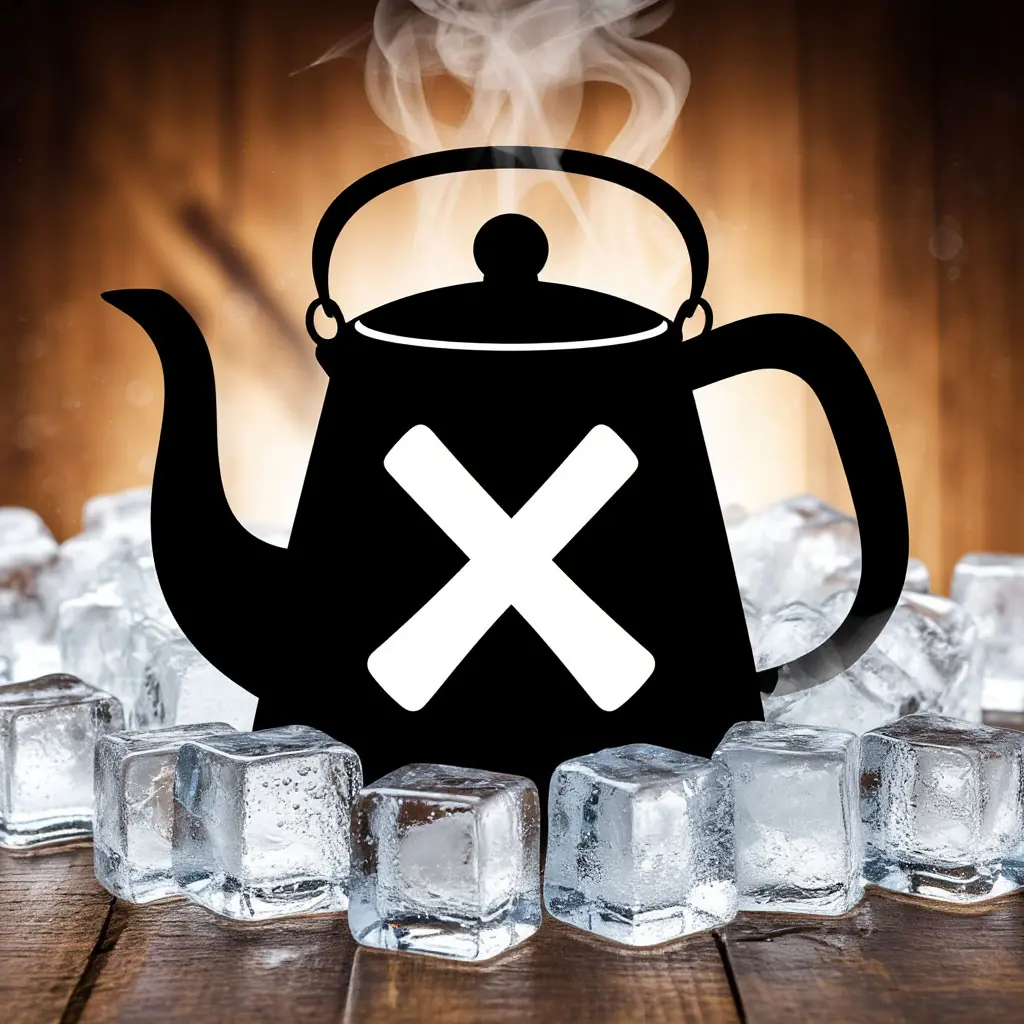
You’ve probably heard passionate arguments for both boiling water for Christmas tree stands and ice water.
The Risks of Hot Water
While boiling water for Christmas tree trunks may temporarily melt sap blockages, it damages living tissue. Think of it like pouring hot coffee on your skin—it’s not a long-term solution.
Cold Water Problems
In cooler indoor climates (below 65°F) for robust species like Scotch pine at the early post-cut stage, ice water for Christmas tree stands slows down absorption to a crawl, potentially reducing uptake by up to 50% compared to warmer alternatives. Those Instagram posts of trees with ice cubes? Cute for photos, terrible for holding needles.
The hot or cold water Christmas tree debate ignores the sweet spot where trees thrive. In controlled indoor environments for mid-sized Fraser fir trees at the maintenance stage (after initial setup), room temperature water (65–75°F) is like a pair of comfy sweatpants — it just works without any drama, provided the room isn’t excessively hot or cold, which could alter absorption rates.
Experts recommend: If your home is cold (below 65°F), let the water sit for an hour before refilling the stand. The gentle warmth from the room air makes this water the best for Christmas tree health.
Boiling Water Myth – When It Helps vs. Harms
Have you ever wondered what temperature the water should be when watering your tree when it looks especially thirsty? While boiling water may seem like a miracle cure, the truth is not that simple. Let’s break down when extreme heat helps and when it turns your tree into a needle-dropping disaster.
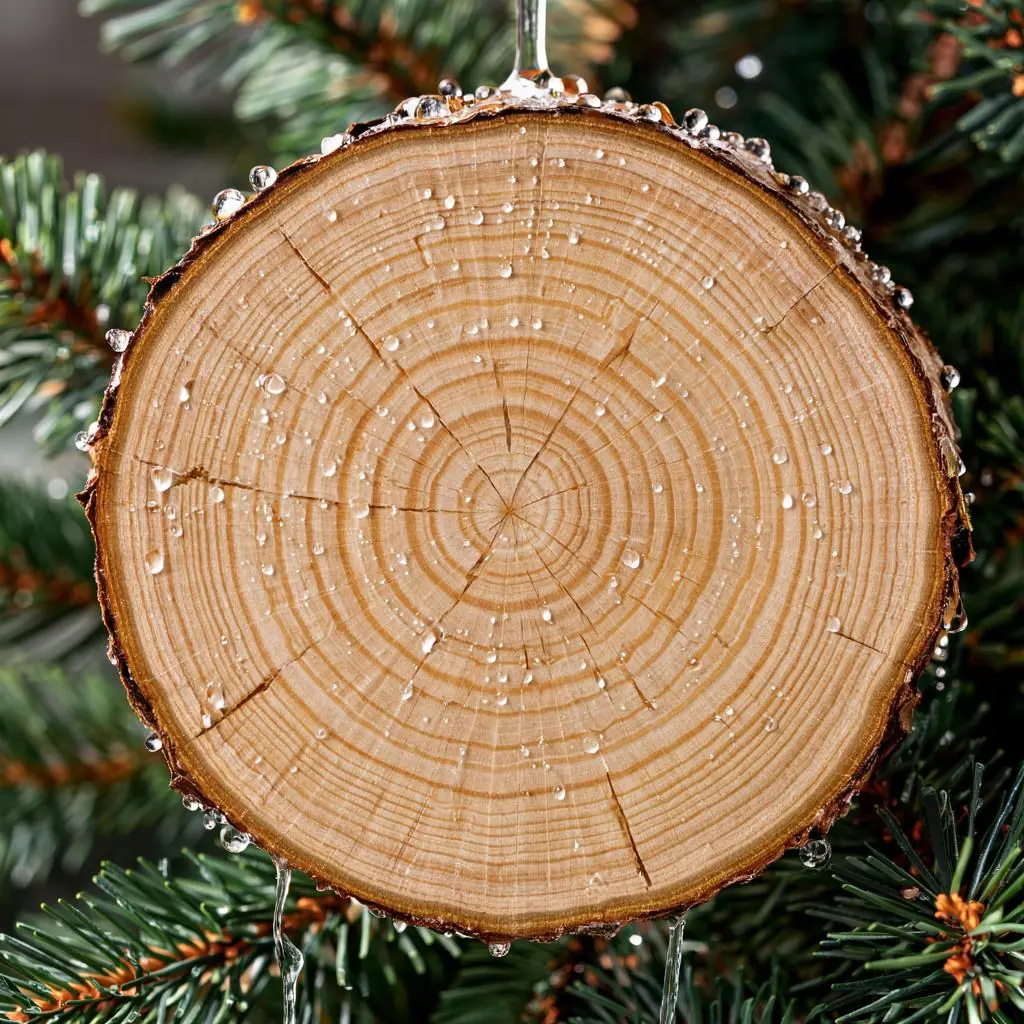
One Time When Boiling Water Actually Works
What temperature should the water be when watering your tree in an emergency? Scalding hot, but only if:
- Your tree has been dry for more than two days.
- You see the shiny sap completely sealing the trunk.
- Regular water simply pools instead of soaking in.
To apply this safely, boil water to 212°F and pour only a half cup directly onto the sealed base for no more than 1-2 minutes to soften the sap. Immediately drain the hot water, make a fresh 1/2-inch cut to expose new tissue, and refill with room-temperature water (65-75°F). This method prevents bacterial growth and cellular damage, as noted in extension guidelines, but should only be used as a last resort after confirming the tree has been dry for more than two days. But here’s the important thing: after 5 minutes, you should:
- Drain off the hot water completely.
- Make a fresh 1/2-inch cut into the trunk.
- Fill immediately with the best Christmas tree water (65-75°F).
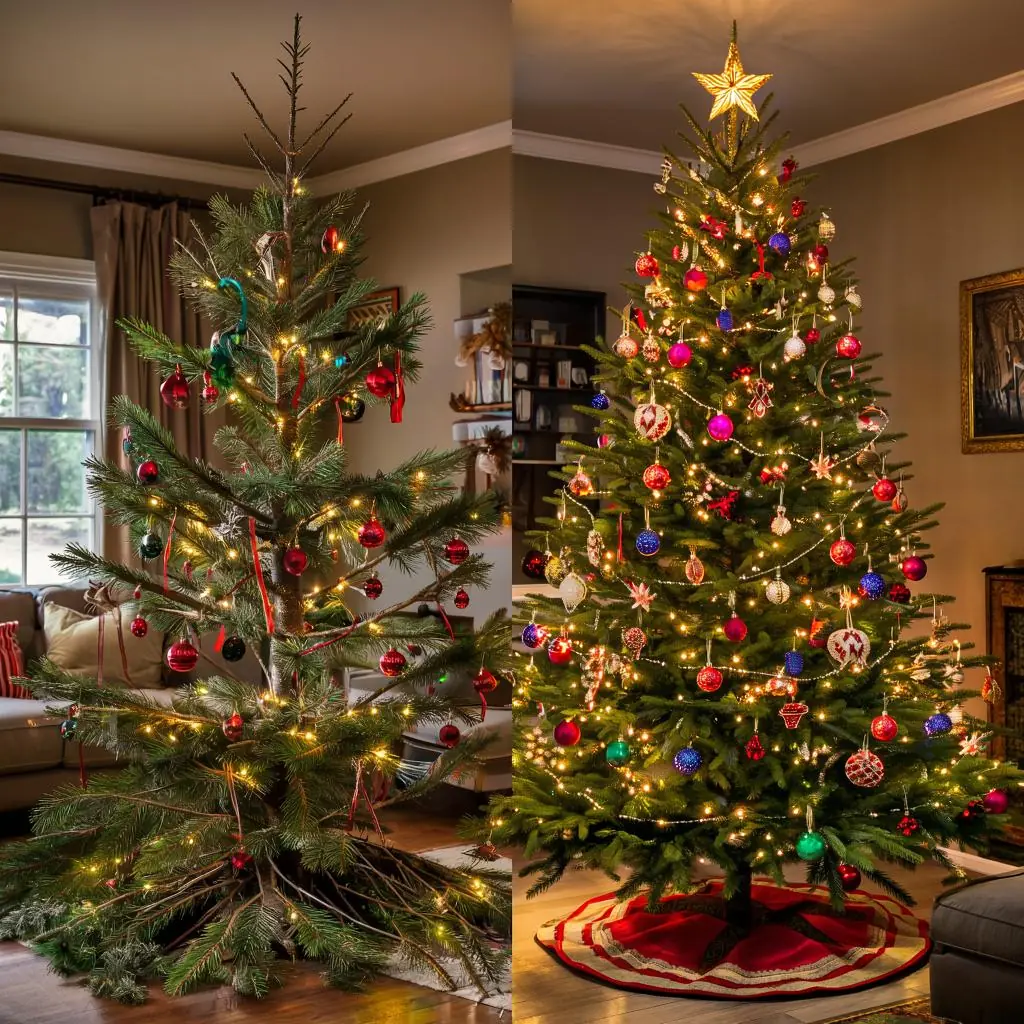
Why boiling water kills trees 99% of the time
For daily tree care in standard residential settings for freshly installed evergreen trees like Noble fir in their hydrated mature stage, what temperature should Christmas tree water be? Not boiling, as it can cause cellular damage in 99% of cases unless the tree is in a severely desiccated state after more than two days without water. Here’s why:
- Cellular damage – boiling water literally cooks the living tissue of the trunk.
- Needle kill – damaged vessels cannot transport water upward.
- Bacterial party – heat accelerates the growth of microbes in the litter.
University studies show that trees that are given Christmas tree water above 120°F shed their needles twice as fast. That’s why Christmas tree water should always be warm – with one exception involving sap melting.
Should You Add Ice Cubes to the Tree Stand?
That viral Instagram shot of ice cubes artfully arranged around the trunk of a Christmas tree might look festive, but when it comes to what temperature Christmas tree water should be to keep the tree truly healthy, the trend is all about chilled water. Let’s break down why the best water for Christmas tree care isn’t served with ice.
Why Ice Water Is a Recipe for Disaster
What temperature should Christmas tree water be if you want to keep the needles fresh? Definitely not the 90°F that ice provides. Here’s the cold, hard truth:
- Nature doesn’t make ice — evergreen roots are exposed to cool 40–50°F soil in the winter, not freezing temperatures.
- Cushioning — xylem vessels close at temperatures below 50°F, reducing water absorption by 40–50%.
- Inconsistent Levels – Melting ice creates fluctuating water levels that expose the trunk.
In fact, it increases the risk that your evergreen tree won’t last through the holidays. And don’t forget that contrary to popular belief, meltwater accelerates microbial growth
Research indicates that trees in varying water temperatures from 33 to 122°F show no significant difference in moisture absorption (1990s, Washington State University Puyallup Research). That’s why experts agree that the best water for hydrating Christmas trees is consistently warm water – no temperature roller coaster needed.

The One Exception When Cool Water Helps
There is exactly one scenario where it makes sense to adjust the water temperature of your Christmas trees downward:
- Your home stays tropical (constantly above 75°F).
- Your tree is right next to vents or fireplaces.
- You struggle with premature needle drop despite proper care.
In these cases, slightly cool water temperatures for Christmas tree stands (around 60°F) can help slow bacterial growth. But notice we said cool, not cold. The difference matters:
- 60°F water: An acceptable temporary measure.
- Ice water: A guaranteed hydration disaster.
“The temperature of the water used to fill the stand is not important and does not affect water uptake,” said Gary Chastagner, a professor at Washington State University Puyallup and a Christmas tree expert (status: leading researcher in the field of post-harvest care for Christmas trees).
Instead of playing bartender with a tree stand, try these tried-and-true solutions when wondering what temperature Christmas tree water should be in a warm environment:
- Strategic Placement – Keep the tree at least 5 feet away from heat sources.
- Humidity Help – Run a humidifier at 40-50% to slow moisture loss.
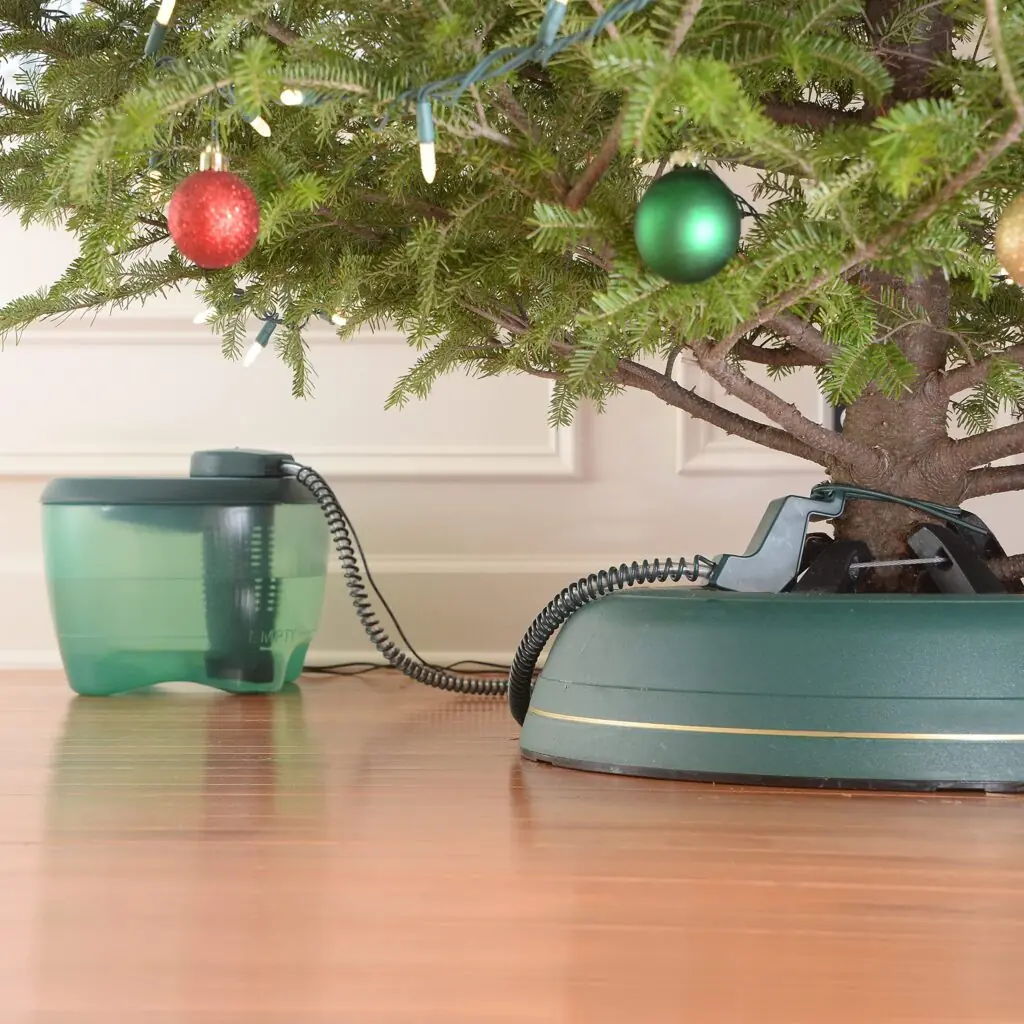
- Smart Hydration – Use a tree stand that holds 1+ gallons of warm water to care for your Christmas tree.
- Needle Therapy – Lightly mist branches with room temperature water daily.
- Overnight Moves – Lower the thermostat to 68°F when possible.
If you need to use cooler water for your tree stands, try this trick – put the water tank in a cool place overnight (like a garage), then bring it up to room temperature before refilling. This will maintain stability while lowering the average temperature a bit.
How Water Temperature Affects Needle Retention
Fallen pine needles gathering under your tree tell a story. What temperature your Christmas tree water should be matters. It turns out the secret to keeping needles firmly attached isn’t magic, it’s science. The right water temperature for Christmas tree care.
The benefit of warm water for needle longevity
What temperature should your Christmas tree water be to maximize needle retention? In studies focused on Fraser fir trees in simulated home environments during the mid-holiday maturity stage (weeks 2-3), research shows that trees drinking warm Christmas tree stand water (70-75°F) retain their needles 30% longer than those in cold water, though results may vary for other species like Balsam fir in drier climates. Here’s why warmth wins:
- Rapid hydration – warmth helps the xylem absorb moisture before the needles dry out.
- Sap flow – slightly warmer temperatures allow the resin to flow smoothly.
- Stress Reduction – Mimics the natural root temperature in the soil in late fall.
Consistent hydration helps retain needles, with properly watered trees maintaining foliage up to 85% after weeks, regardless of minor temperature shifts (2024, Oregon State University Extension). That’s why the best water for preserving needles on a Christmas tree is comfortably warm water – like a spring rain, not a winter freeze.
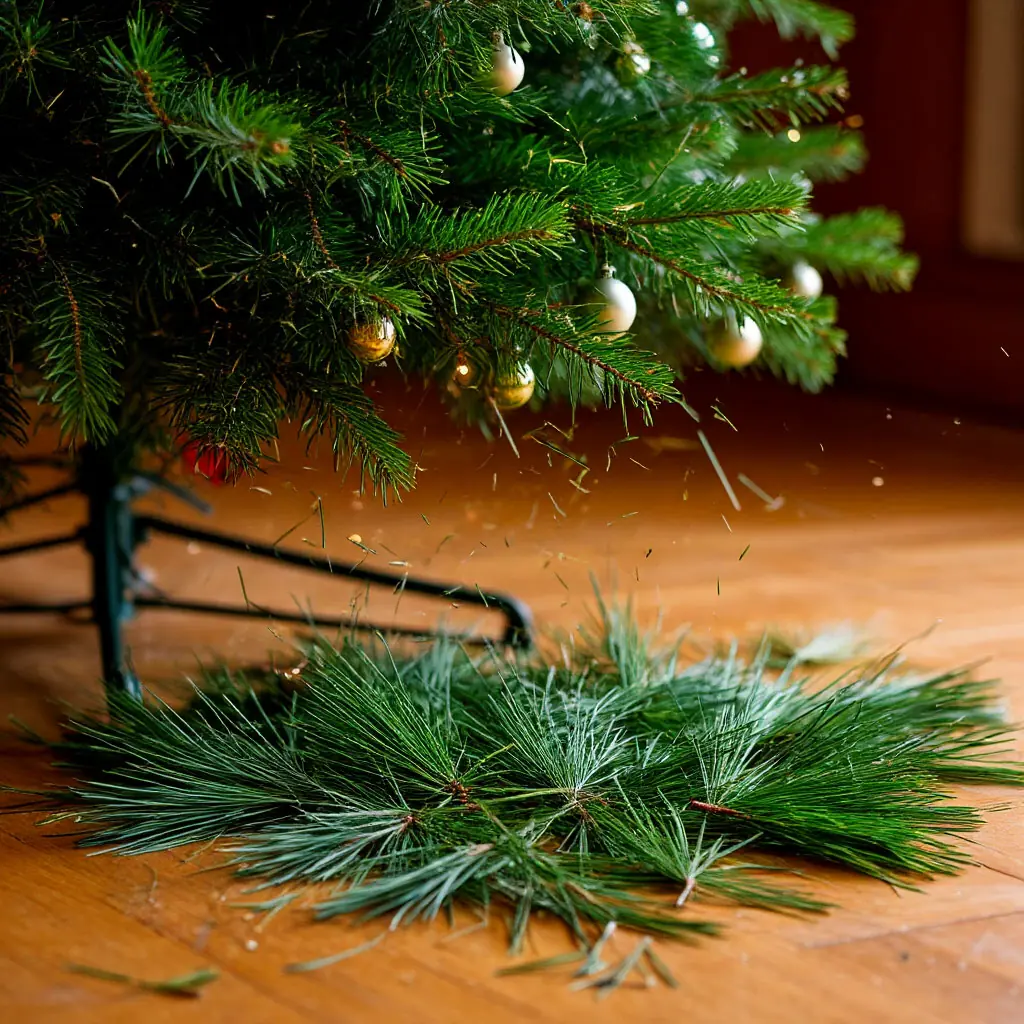
Temperature Extremes and the Needle Drop Effect
When considering hot or cold water for Christmas tree care, both extremes accelerate needle loss in different ways.
Boiling Water Damage:
- Scalds the base of the needles where they attach to the branches.
- Causes moisture to evaporate quickly from the needles.
- Causes needles to drop defensively within 72 hours.
Problems with freezing water:
- Causes the cell walls of the needles to shrink and rupture
- Slows down the flow of water to the outermost needles.
- Creates uneven hydration throughout the tree.
Check the needles daily for loose needles—if they come loose with gentle pressure, you need to adjust the water temperature for your Christmas tree. Healthy needles should be removed with force.
Pro Tip: The 24-Hour Water Temperature Trick
That freshly cut Fraser fir in your living room isn’t just a decoration. It’s a living organism, thirsty for the perfect temperature for watering your Christmas tree. Professional arborists have been silently using this 24-hour warm water method for decades, and today we’ll tell you why it works so well.
The Science Behind Warm First Day Water
The magic of what temperature to water your Christmas tree starts with understanding the tree’s physiology. When evergreens are first placed indoors, they experience significant stress. Their vascular system, accustomed to cold winter conditions, is suddenly confronted with warm indoor air. This shock causes the xylem vessels to constrict, just when the tree needs maximum hydration.
For freshly transported and cut conifer trees like Douglas fir in a standard living room context at the initial shock-recovery stage (first 24 hours indoors), lukewarm water for Christmas tree stands (around 100°F) is initially so effective in opening xylem vessels, but this may not apply to overly mature or pre-dried specimens. Gentle heat helps keep the vascular system open without causing thermal damage. Research by the National Christmas Tree Association shows that this method improves water absorption by 35-40% during the critical first day compared to room temperature water.
The best Christmas tree transition water follows a specific schedule. During the first 12 hours, it works to maximize absorption. Over the next 12-24 hours, a gradually cooling liquid helps the tree acclimate to indoor conditions. After this period, switching to regular room temperature water completes the acclimation process.
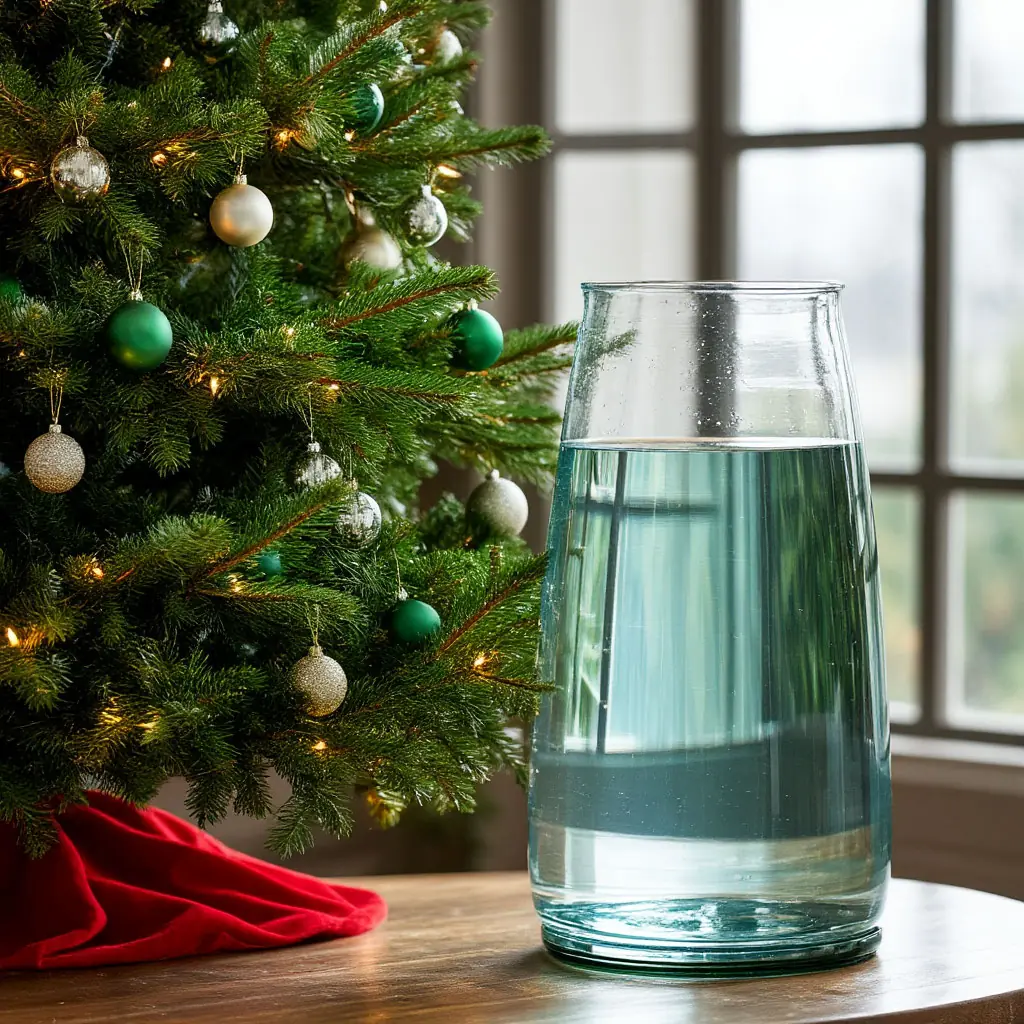
Maintaining the Ideal Hydration Balance
To understand what the long-term water temperature for a Christmas tree should be, it is important to understand how trees acclimate. After an initial 24-hour warm period, evergreens establish what botanists call “hydration equilibrium.” The vascular system adjusts the rate of absorption based on constant conditions.
This explains why drastic changes between hot and cold water for Christmas tree care cause problems. Avoiding extreme fluctuations prevents accelerated needle loss, with stable room conditions being key (2025, Illinois Extension). Their recommendation? Stick to the best water for Christmas tree care—constantly between 65 and 75°F after the initial warm treatment.
Professional growers suggest monitoring your tree’s response with simple observation. A well-watered tree will have flexible needles that bend without breaking, and a base of the trunk that feels cool and moist to the touch. If you notice excessive needle drop or dry wood at the cut end, it may mean you need to adjust the temperature of your Christmas tree water.
If you’re unsure about what type of water to use for your Christmas tree, we recommend watching the following video. It describes effective methods to extend the festive atmosphere in your home.
FAQ
Does using filtered or distilled water instead of tap water change anything about Christmas tree water temperature or fresh Christmas tree care?
Most real Christmas trees are totally fine with normal tap water. Distilled or filtered water doesn’t make the tree drink better or stay fresher longer, and it won’t replace consistent watering at the right Christmas tree water temperature. As long as the tap water is safe for people to drink, it’s safe for the tree. The bigger priority is keeping the stand full so air never gets into the cut base.
How often should I replace the real Christmas tree stand water completely (not just top it off) to keep my Christmas tree fresh longer?
For most homes, you don’t need to dump and replace the whole real Christmas tree stand water every day. Just make sure the water line never drops below the cut trunk, because once air gets in, the tree can stop drinking. A full change is smart every few days if the water looks cloudy, smells sour, or has needles and sap chunks floating in it. Cloudy water can slow absorption and make it harder to keep the Christmas tree fresh longer.
Can additives like sugar, aspirin, bleach, or essential oils in live Christmas tree water actually help needle retention, or are they dangerous for kids and pets?
Sugar and aspirin are classic “grandma hacks,” but they don’t reliably keep needles on a live Christmas tree and can actually encourage funky water. Bleach can irritate skin, harm pets if they drink from the stand, and may damage the tree’s tissues. Essential oils can make the stand water unsafe for cats and dogs and won’t boost hydration. The safest move for fresh Christmas tree care is plain, clean water at a stable temperature.
Will warm Christmas tree water grow bacteria or mold in the stand, and how do I safely clean a Christmas tree water reservoir without hurting the tree?
Any standing water can get slimy over time, especially if it’s warm and full of organic bits like bark and sap. A mild slime layer can block uptake and make the room smell off. You can lift the trunk gently, pour out the gross water, rinse the Christmas tree water reservoir with hot tap water, and refill right away with fresh lukewarm water so the cut base is never exposed to air. Avoid soap or harsh cleaners, because residue can get pulled into the tree.
Is it bad if my Christmas tree sits in very cold garage water overnight before setup, or can sudden cold Christmas tree water shock the trunk and block water flow?
Letting the trunk sit in near-freezing water in the garage can make the cut surface stiff and slow to draw water once you bring the tree inside. That first drinking window is critical for hydration, so you don’t really want the xylem starting “half asleep.” Before you lock the tree into the stand indoors, make a fresh thin cut at the base and use room-temperature Christmas tree water in the stand right away. That wakes up the flow and helps the live Christmas tree start strong instead of playing catch-up.
Is plain water safe for homes with pets or children?
Yes, but ensure the stand is stable to prevent tipping. Avoid additives like bleach, which can be toxic if ingested. Opt for pet-safe barriers around the base.
Conclusion
What temperature should your Christmas tree water be to keep it as fresh as possible? After reviewing the science, expert advice, and common myths, the answer is clear: Start with 24 hours of warm water (100°F) to kickstart hydration, then switch to room temperature water (65–75°F) for the long haul. This simple routine mimics nature’s rhythms, keeping your needles perky and fragrant all year long. Whether you’re fighting sap congestion or succumbing to the ice cube trend, remember—your tree craves consistency, not extremes.

Stick to the best water for Christmas tree care, and you’ll skip the vacuuming marathon. No more wondering if boiling water is good for your tree stands (it’s not) or cold water is good for hydrating your Christmas tree (it’s not). Just sip the right amount of water. Follow this plan and your evergreens will stay as vibrant as your holiday spirit—right down to the last decorating. Before you put up your tree and fill the stand with whatever you want, download the checklist. It turns the hot vs. cold debate into actionable steps: the optimal temperature range, inspection schedule, and safety precautions to keep your tree fresh longer and less of a fire hazard.
Sources
- National Christmas Tree Association Care Tips (2023, National Christmas Tree Association).
- Caring for Your Cut Christmas Tree (2007, Penn State Extension).
- Common Myths (1990s, Washington State University Puyallup Research).
- Developing Quality Christmas Trees in the Pacific Northwest (2024, Oregon State University Extension).
- Help! What’s Wrong with My Christmas Tree? (2025, Illinois Extension).
- Washington State University Puyallup, Gary Chastagner (2023).