10 ft Evergreen Trees for Sale – Spruce, Fir & Pine Buying Guide
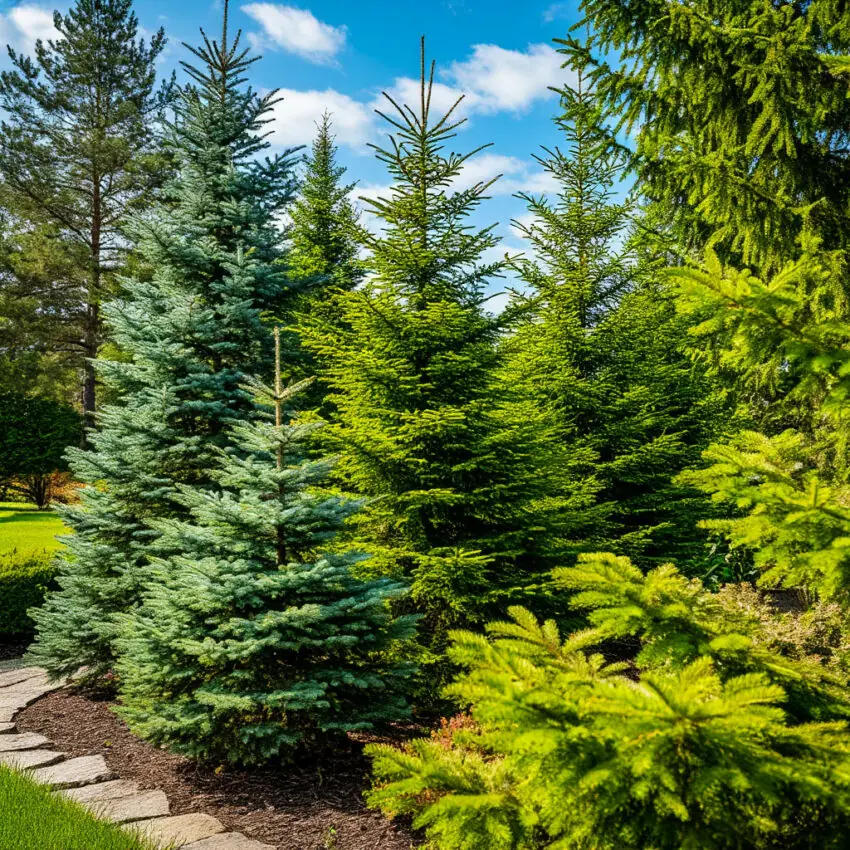
Looking for 10-foot evergreen trees for sale near you? Whether you’re looking for privacy, adding curb appeal, or just love the look of towering pines and firs, a 10-foot tree makes an instant impact. No more waiting years for tiny saplings to grow. These mature evergreens provide shade, beauty, and structure right away.
But before you buy, it’s helpful to know which species are right for your climate, how much they cost, and where to find the best deals in your area. From sturdy white pines to vibrant blue spruce, this guide covers everything you need—where to buy, price comparisons, and expert planting tips. t the end of this article, you’ll find a downloadable checklist that turns the entire process of selecting, buying, delivering, and planting 10-ft evergreen trees into a step-by-step guide you can print and take with you.
Best 10-Foot Evergreens for Landscaping (Pine, Spruce, Fir)
Looking for 10-foot tall evergreen trees for sale near me? You’re not just buying a tree — you’re investing in the future of your landscape. The right evergreen can enhance curb appeal, create privacy, and even increase property value. But how do you choose from the many options — pines, firs, spruces? Let’s break down the best options in the 10-foot range.
“Large trees, including evergreens, are one of the very best things you can do to increase the value and estate-like quality of your home. Surround it with beautiful trees and foliage.” Said by Suzi Dailey, a licensed real estate agent at Realty ONE Group West in Laguna Niguel, California, specializing in luxury properties and landscape-enhanced homes.
Pines: Fast Growth, Easy Care
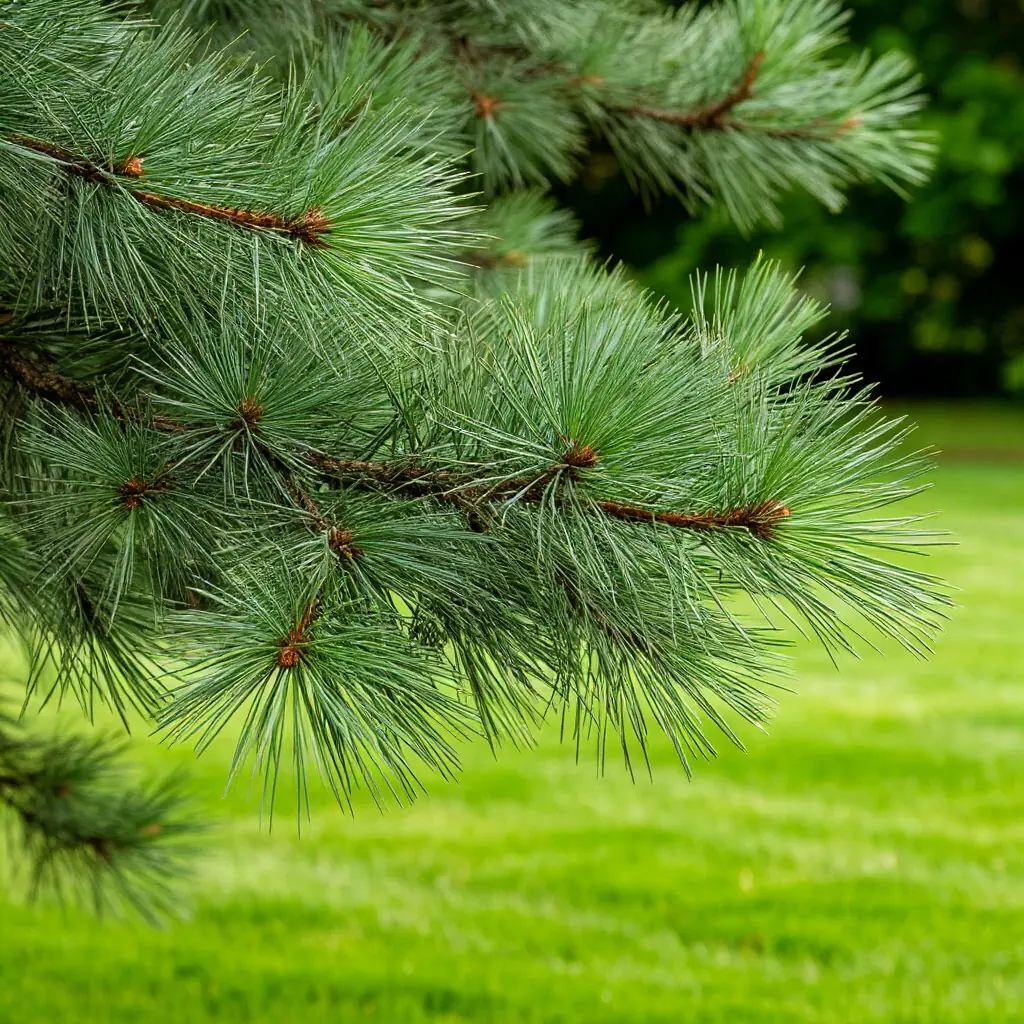
If you’re looking for fast height, white pines are your best bet. These beauties can grow 2 to 3 feet per year under the right conditions. Their soft, fuzzy needles create a graceful appearance, and they’re surprisingly low-maintenance once established.
Compared to 10-foot spruces, pines offer:
- Fast growth for quicker privacy.
- Better drought tolerance.
- More flexibility in soil types.
Just watch out for white blister rust on pine in wet areas. If this is a concern in your area, Austrian pines are a great alternative with similar growth rates but better disease resistance.
Firs: Bold Color, Year-Round Impact
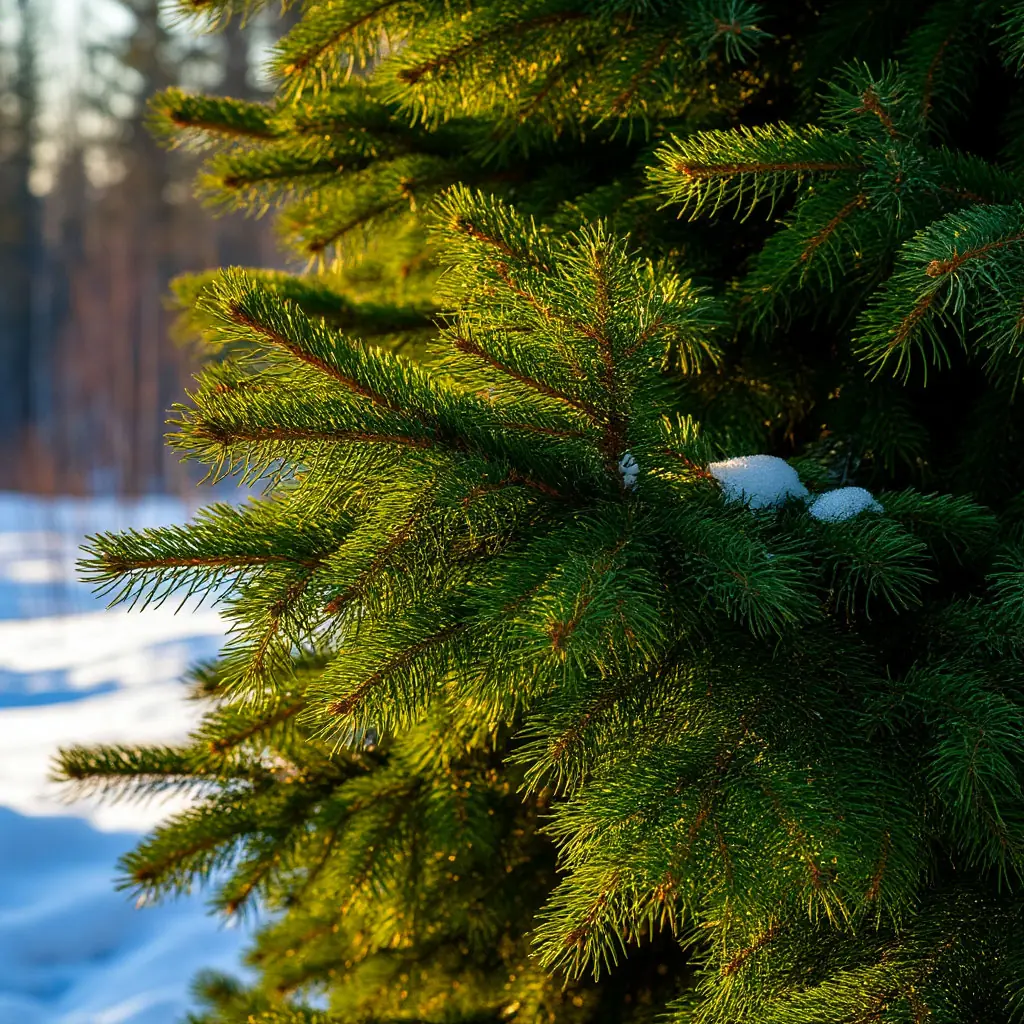
Nothing beats blue spruce for visual drama. Their striking silvery-blue needles make them stand out in any landscape. Although they grow more slowly than pines (about 12 inches per year), their dense, symmetrical form requires little to no pruning.
When comparing the price of spruce to other evergreens, expect to pay:
- 20 to 30 percent more than similar-sized pines;
- about the same as most firs;
- additional for specialty varieties, such as weeping forms.
Norway spruce offers a more budget-friendly option for spruce if you are watching your budget but still want the classic conical shape. Firs provide bold color and year-round impact, making them a strong choice for both visual appeal and functional benefits. If you’re planting for cooling relief in summer while keeping privacy intact, explore more options in our guide to evergreen trees for shade.

Fir: The Best of Both Worlds
Fir is different from pines and spruces. Varieties like Douglas fir and Fraser fir grow quite quickly (about 18 inches per year) and retain longer needles than spruce when cut, which is why they are so popular as Christmas trees.
For larger trees for sale, consider:
- Douglas fir: Sturdy and adaptable, great for windbreaks.
- Fraser fir: Perfect pyramidal shape, great fragrance.
- Nordmann fir: Excellent needle retention, glossy dark green color.
One of the benefits of the plants is that you can choose from over 6-foot white pines for sale. These have excellent needle retention. If you hate cleaning up fallen needles, firs are your friend. Before buying tall firs for sale, check the soil pH. Most evergreens prefer slightly acidic conditions (pH 5.5–6.5). A simple soil test can save you from making costly mistakes.
To help you compare the main options at a glance, here’s a quick comparison table of the most recommended 10-ft evergreens:
| Feature | White Pine | Blue Spruce | Douglas Fir / Fraser Fir |
|---|---|---|---|
| Growth Rate | Fast (2–3 ft/year) | Slow (12 in/year) | Medium (18 in/year) |
| Mature Height/Width | 50–80 ft / 20–40 ft | 50–75 ft / 10–20 ft | 40–70 ft / 15–25 ft |
| Needle Color | Soft green | Striking silvery-blue | Dark green, glossy |
| Maintenance | Low, drought-tolerant | Low pruning, needs drainage | Adaptable, windbreak |
| Price (10-ft approx) | $300+ | $400+ (20–30% more) | $350–450 |
| Best For | Privacy screens, fast impact | Dramatic focal point | Fragrance, reliable growth |
| Drawbacks | Watch for blister rust | Slower establishment | Needs acidic soil |
Use this table to match your needs — fast privacy (pine), bold color (spruce), or balanced performance (fir).
Chart for DIY Plant Selection
Still deciding which species fits your yard best? Use this simple decision table to score your priorities on a scale of 1–5 (5 = must-have). Fill it out based on your climate, soil, budget, and goals — it will point you straight to the right choice.
| Priority | Your Score (1–5) | White Pine | Blue Spruce | Douglas/Fraser Fir | Notes for Your Yard |
|---|---|---|---|---|---|
| Fast growth & quick privacy | High | Low | Medium | ||
| Striking color / focal point | Low | High | Medium | ||
| Low maintenance & drought tolerance | High | Medium | High | ||
| Fragrance & needle retention | Medium | Low | High | ||
| Budget-friendly (lower price) | High | Medium | High | ||
| Cold hardiness | High | High | High | ||
| Total Score |
Add up your scores for each column — the highest total is likely your best match. Once decided, head to local nurseries or online sellers with this in hand.
Where to Find 10-Foot Trees Near You (Nurseries & Farms)
Looking for 10-foot-tall evergreen trees for sale near me? You have options, but not all sellers are created equal. Whether you want 10-foot-tall firs for wind protection or large firs for sale for year-round holiday cheer, here’s where to shop wisely.
Local Nurseries: Expert Advice and Healthy Choices
Skip the big box stores and head to specialty garden centers. These places offer:
- Healthier, better-established trees than chain stores.
- Employees who actually know the difference between the varieties of firs and spruces.
- Often free planting advice tailored to your soil type.
Prices may be a little higher, but you’re paying for quality. Many nurseries receive fresh shipments of tall firs for sale in early spring and fall. Be sure to ask about warranty options—some guarantee trees for a full year.
Tree Farms: Wholesale Deals and Rare Finds
For serious landscaping projects, wholesale farms can’t be beat. They’re ideal when you need:
- A few 6-foot white pine trees for sale as a privacy screen.
- Unusual varieties you won’t find anywhere else.
- The best price on spruce when you buy in bulk.
Shop Online to Save
Online retailers handle rare species, but be careful — a “10-foot” tree may be measured from the roots up. Always check:
- If the dimensions are measured from the soil line.
- Shipping costs (they can double your total).
- Return policy for damaged trees.
For one or two trees, local nurseries offer the safest option. Need a whole grove? Check out wholesale farms. Just remember — no matter where you find 10-foot evergreen trees for sale near me, always check the root ball before you buy.
White Pine vs. Blue Spruce – A Comparison Guide
Trying to decide between these two popular 10-foot evergreen trees for sale near me? Both make great additions to your yard, but serve different purposes.
Appearance and Growth Habits
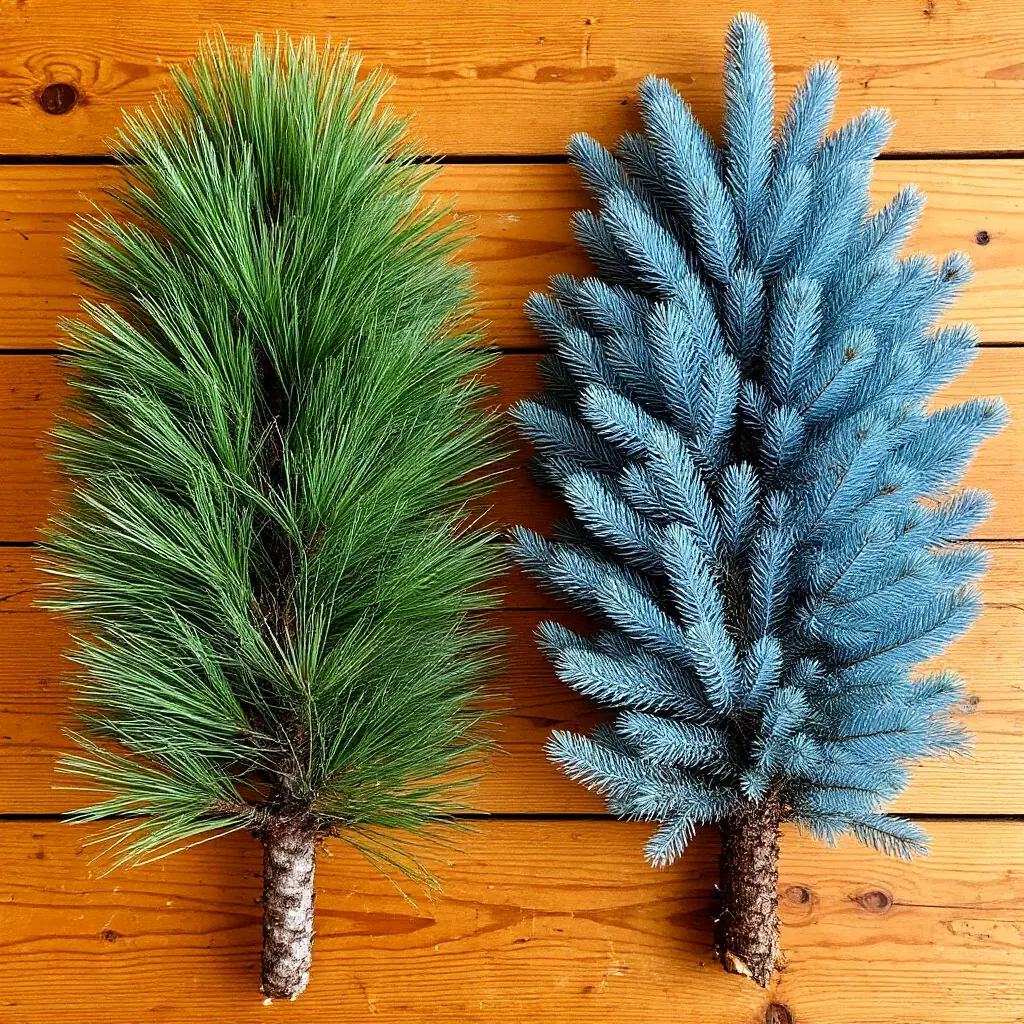
White pines grow quickly – we’re talking 2+ feet per year once established. Their long, soft needles give them a classic feathery look, perfect for creating natural privacy screens. If you’re comparing them to 10-foot firs, note that pines tend to grow taller but become less bushy over time.
Blue spruces are beauties with their striking silvery-blue needles. They grow more slowly (about 12 inches per year), but maintain a perfect pyramid shape without much pruning. Although the larger firs for sale may have a similar structure, these trees benefit from their unique color.
Hardiness and Care Needs
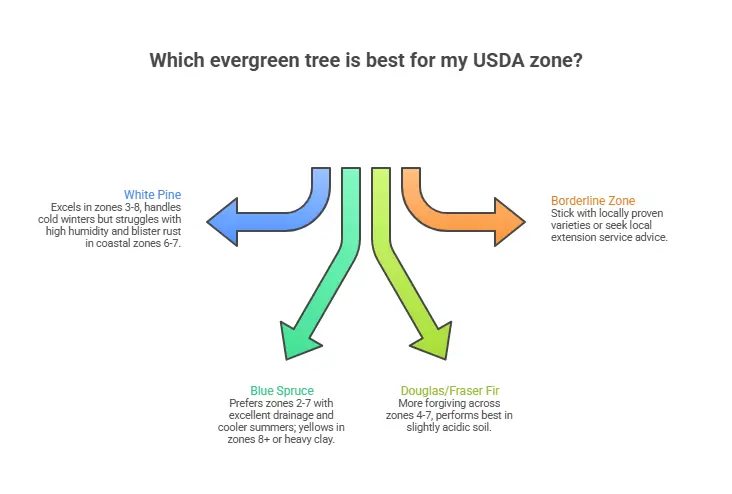
White pines adapt to almost any soil and thrive in cold winters, making them a versatile choice for many yards. They’re also more forgiving if you occasionally miss a watering — their drought tolerance once established is a big plus. However, these trees are prone to white pine blister rust in humid areas, so it’s smart to check local restrictions or regulations before planting.
В то же время, blue spruce trees demand better drainage and often struggle in heavy clay soils, where poor water flow can lead to root issues. They’re also trickier to maintain in hot climates, as high temperatures and humidity stress them more than pines. When it comes to pricing, expect to pay 20 to 30 percent more for a comparable blue spruce. For example, a 6-foot white pine for sale might run around $150, while a similar-sized spruce often costs over $200.
So, which one should you choose? If you’re after fast growth and easy care with minimal fuss, go with white pine — it delivers quick height and reliable performance. Want striking year-round color and a classic pyramid shape, and don’t mind a bit more attention? Blue spruce is the winner. If you’re looking for something in between — good growth, attractive form, and solid adaptability — check out tall firs for sale, like Douglas or Fraser firs, which often strike the perfect balance.
To help you avoid common issues down the line, here are a few extra tips on pests and regional fit. White pine remains vulnerable to white pine blister rust especially in humid conditions — consider resistant varieties like ‘Blue Shag’ or plant in drier, well-ventilated sites to reduce risk. Blue spruce, on the other hand, can suffer from spruce spider mites during hot summers; keep an eye out for stippling or yellowing needles and treat early with horticultural oil if needed. For region-specific pricing and availability, remember that costs can vary 20–50% by state due to local supply and shipping.
Cost Breakdown: 6-Foot vs. 10-Foot Evergreen Trees
Want to know if you should buy 10-foot evergreen trees near me or start with smaller ones? The price differences may surprise you. Let’s break down what you’re really paying for at different sizes and how to get the most bang for your landscaping buck.
Start-Up Costs: Bigger Isn’t Always Better
That tag of 6-foot white pine trees for sale may seem tempting at $100-$150 compared to 10-footers for $300+. But here’s the catch — the smaller trees take 4-5 years to reach that impressive height. Factor in your time, watering costs, and potential replacements if needed, and the math changes quickly.
The 10-foot spruce trees illustrate this price jump. A 6-foot Norway spruce costs about $125, while a 10-foot version can reach $400 or more. But you’re buying instant privacy and established roots that can handle drought better. For larger spruce trees for sale, expect a similar scaling—about 2.5 times the cost for nearly twice the height.
To help you quickly compare the most popular 10-foot evergreen options and factor in long-term considerations like growth speed and maintenance needs, here’s a side-by-side breakdown of key costs and characteristics (prices reflect 2026 market averages for balled-and-burlapped or container-grown trees, including typical nursery pricing before any installation fees).
| Tree Type | Average Price (10-ft, 2026) | Annual Growth Rate | Initial Water Needs | Long-Term Maintenance |
|---|---|---|---|---|
| White Pine | $400-$600 | 2-3 ft | 15-20 gal/week | Low (drought-tolerant) |
| Blue Spruce | $500-$800 | 1 ft | 15-20 gal/week | Medium (drainage required) |
| Douglas Fir | $450-$700 | 1.5-3 ft | 15-20 gal/week | Medium (acidic soil preferred) |
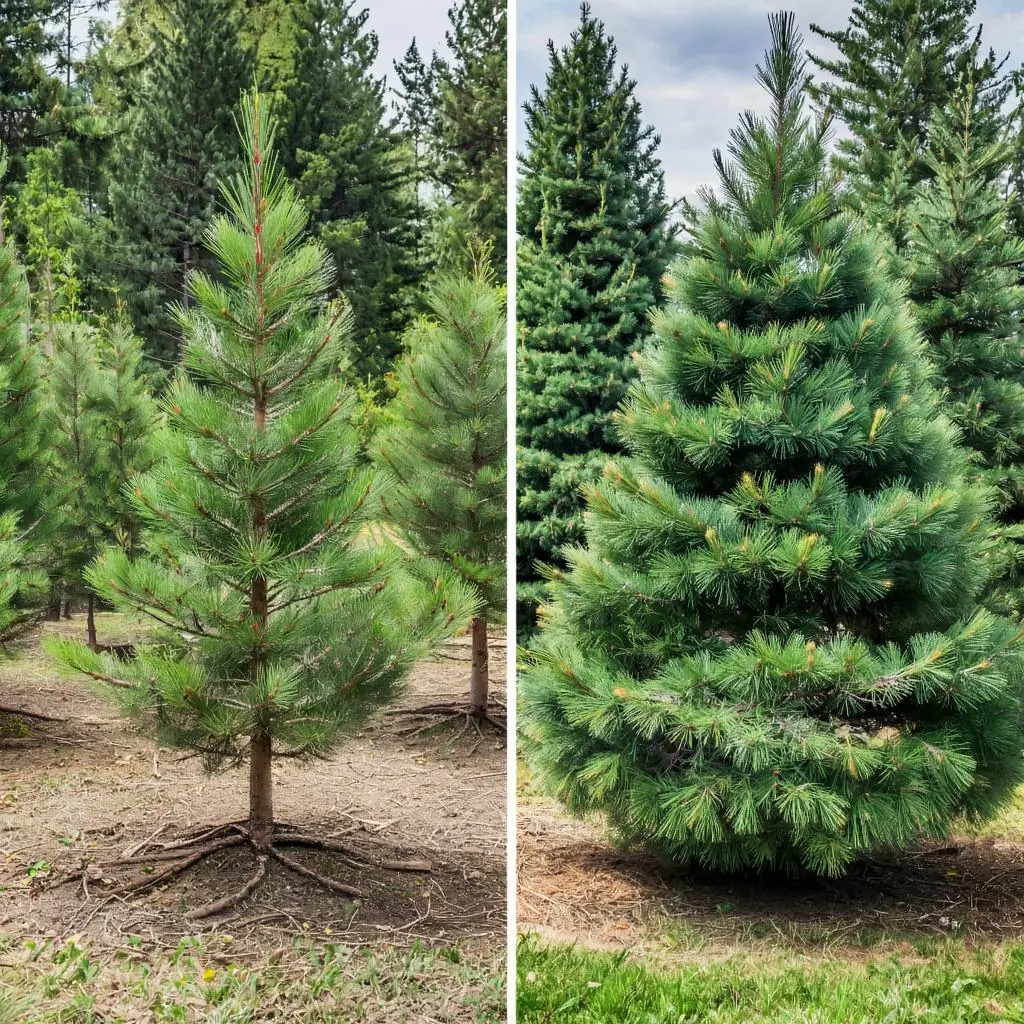
Long-Term Value: Time vs. Money
The price of a spruce tree per inch actually drops as the trees get taller. The nursery markup covers the extra care needed to grow specimens up to 10 feet. These mature trees have:
- Thicker trunks that can withstand storms.
- Developed root systems that require less maintenance.
- Immediate visual impact that adds value to the property.
Planting mature trees, including evergreens, can significantly boost residential property values nationwide, with neighborhood tree cover contributing an estimated $31.5 billion annually to U.S. home values through enhanced aesthetics, shade, and environmental benefits (2021, University of Nebraska–Lincoln’s Bureau of Business Research, sponsored by Arbor Day Foundation and USDA Forest Service).
Small, tall spruce trees for sale are great if you enjoy the growth process. But if you’re landscaping to sell your home or block a view for a new neighbor next month, 10-foot evergreen trees for sale near me are an investment, not an expense.
Smart shopper tip: Some nurseries offer discounts in late fall when they clear out inventory. That’s when you can buy a 10-foot blue spruce for the price of an 8-foot one in the spring.
How to Care for Newly Planted Tall Evergreens
Let’s say you’ve purchased some beautiful 10-foot evergreen trees for sale near me. These mature trees require some extra care to ensure they thrive in their new home. Here’s how to keep them looking lush year after year.
First things first: Establishment Period
Those 10-foot spruces may look sturdy, but their roots are stressed from the move. Here’s what they absolutely need for the first 90 days:
- Deep watering – 15 to 20 gallons per week (more in sandy soil).
- Proper mulch – a 3-inch layer in a donut shape (never touching the trunk).
- Wind protection – tie loosely if planting in exposed areas.
- No fertilizer – the roots won’t last until they’re established.
For larger spruces for sale, pay special attention to drainage. Their roots will quickly rot in soggy soil. Dig a test hole before planting — if water sits for more than 12 hours, consider raising the bed. For spruce-specific watering schedules, feeding amounts, and winter protection steps, refer to detailed spruce tree care after planting.
How to Keep Them Thriving: Year 2 and Beyond
Did your tall spruce trees for sale survive the first year? Great! Now you can:
- Switch to monthly deep watering (unless there’s a drought).
- Apply a slow-release evergreen fertilizer in early spring.
- Pruning only dead branches (never top-cut the tree!).
- Watch out for spider mites (they love stressed evergreens).
6-foot white pines for sale may seem easier, but smaller seedlings require the same care. The difference? They recover faster.
Pro tip: Keep an eye on your spruce receipt. Many nurseries offer a 1-year warranty if you follow their care instructions to the letter.
Delivery & Planting Tips for Large Trees
Have your eye on 10-foot evergreens for sale near you? Before you hit “buy,” let’s talk logistics. Moving and planting mature evergreens isn’t the same as transporting small shrubs. Get it wrong, and you could be out hundreds of dollars. Here’s how to do it right the first time.
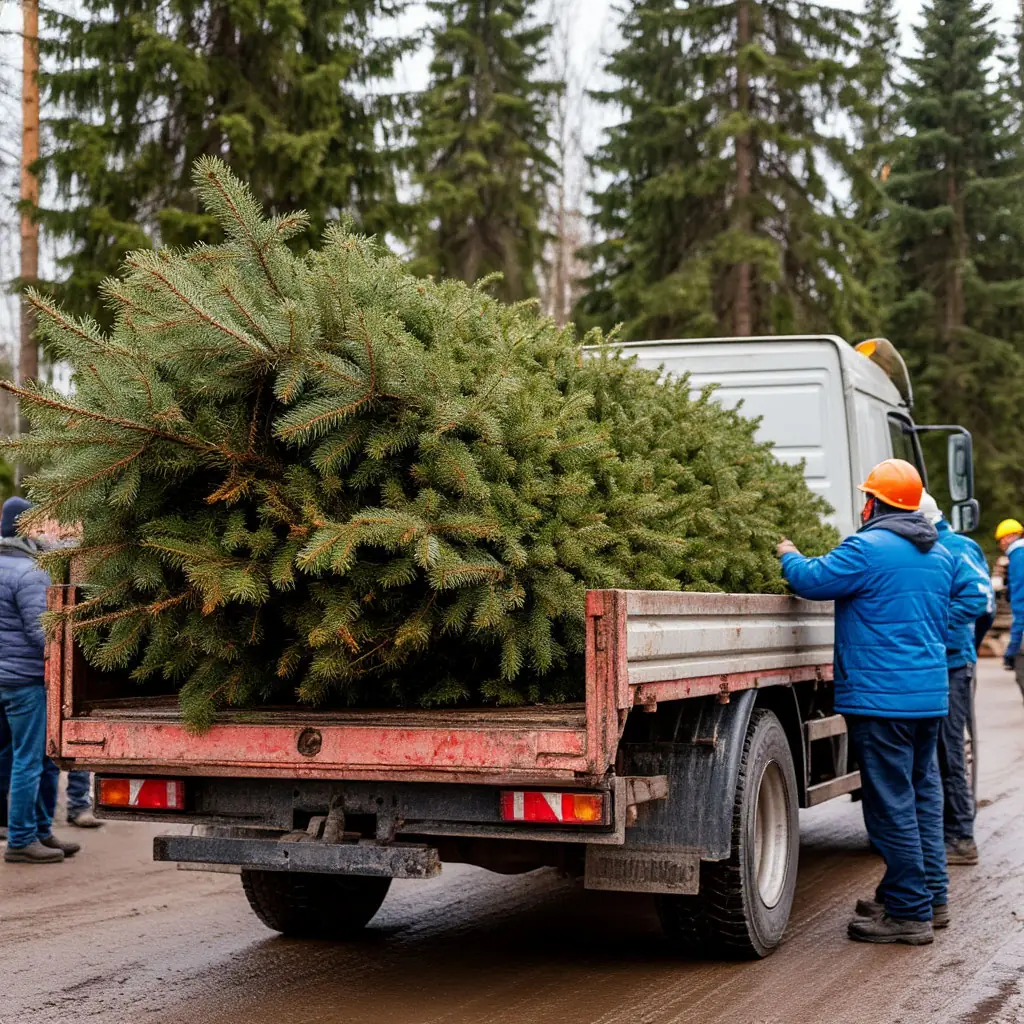
Home Shipping: More Than Just a Truck Ride
Those 10-foot spruces may not fit in your SUV. Professional shipping is often more expensive, but it saves the hassle. If you’re doing it yourself:
- Rent a flatbed truck with side guards.
- Lay down shipping blankets to protect the branches.
- Secure the root ball with straps (never around the trunk).
- Cover foliage with netting to prevent wind damage.
For larger spruces, check to see if the nursery offers “shovel-out” services. Some people use specialized equipment to extract trees with minimal root damage. This can double the price of your tree, but dramatically increases the chances of survival.
Planting Like a Pro: It’s All in the Hole
- Tall white pines for sale won’t thrive if you just stick them in the ground. Follow these steps:
- Dig a hole 2-3 times wider than the root ball.
- The depth should be slightly less than the height of the roots.
- Make cuts in the sides to allow roots to penetrate.
- Fill with native soil (no additives!).
- Water slowly as you fill to eliminate air pockets.
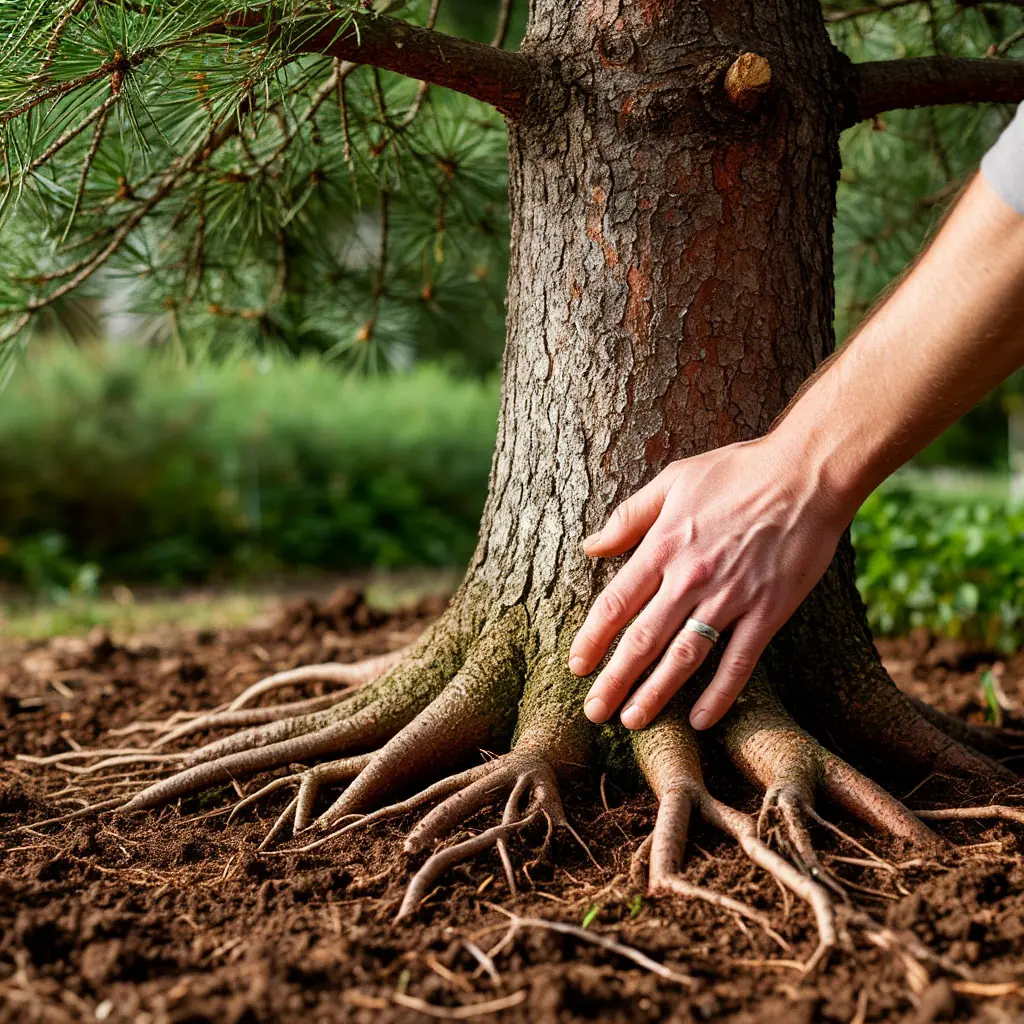
Mistake to Avoid: Planting too deep. The root flare (where the trunk flares out) should remain above ground. Bury it, and your 6-foot white pines for sale will slowly suffocate.
If possible, schedule delivery for a cloudy, cool day. The hot sun stresses the trees during the shock of transplantation. Planting in the morning gives them a full day to adjust before nightfall.
Top Mistakes to Avoid When Planting 10-Foot Evergreens
Even with perfect hole preparation, many homeowners lose their investment due to common pitfalls. Here are the top mistakes to avoid when planting 10-foot evergreens:
- Planting too deep: Always keep the root flare (where trunk meets roots) 1–2 inches above soil level — burying it leads to rot and suffocation.
- Ignoring drainage: If water sits in the hole for over 12 hours, the tree will drown; mound the soil or amend heavily.
- Buying stressed stock: Inspect for brown needles, dry root ball, or pests before purchase — skip any tree that looks unhealthy.
- Over-fertilizing early: No fertilizer in the first year; it burns tender roots during establishment. Avoiding these can boost survival rates from 60% to over 90%. Double-check your site and tree before digging.
On the video, you will see the process of planting evergreen trees. The author, Mark Fitt, explains each step in detail, starting from preparing the hole and ending with watering and mulching. Recommendations for care during the first years are also provided.
FAQ
Do I need HOA approval or a permit before planting 10 ft evergreen trees for sale as a privacy screen?
Many neighborhoods require HOA approval before you plant tall privacy trees like 10 ft blue spruce or white pine along a property line. Some cities also have setback rules that limit how close large evergreens can be to sidewalks, utilities, or streets. You can usually avoid fines by sending the species, height, and planting location for approval ahead of time. Always check before you dig, especially if you’re creating a living fence.
How far from my house, driveway, or septic line should I plant a 10 ft white pine, blue spruce, or Douglas fir so the roots don’t cause damage?
Large evergreens should not sit right against structures, even if you’re trying to block a view fast. A good rule is to plant a mature tree at least as far from the house as half its expected width at full size. For many 10 ft evergreen trees for sale, that means 10–15 feet from foundations, driveways, and septic lines. This spacing helps prevent cracked pavement, clogged drain fields, and branches scraping siding.
Will deer, rabbits, or other wildlife eat my new blue spruce or white pine privacy trees, and how do I protect them if they do?
Deer love young white pine because the needles are soft and easy to reach. Blue spruce and Douglas fir are usually less tasty, but hungry wildlife will still chew lower branches in winter. Freshly planted 10 ft evergreens are stressed, so even light browsing can slow recovery. Wrapping trunks and using temporary fencing around the lower 4–5 feet can save your investment the first couple seasons.
How tall and wide will these 10 ft evergreen trees for sale get in 5–10 years, and can I keep them trimmed to stay HOA-friendly?
A 10 ft blue spruce or Douglas fir is not “done” — it can keep adding a foot or more of height every year and spread 6–10 feet wide over time. White pine can grow even faster and may outgrow small yards. Most HOAs care when trees block sightlines, hang over sidewalks, or touch power lines. Light shaping of side branches is fine, but cutting off the main leader to cap the height will permanently deform the tree.
Are pine, spruce, or fir trees dangerous for kids, pets, or allergies when I use them as backyard privacy trees?
Most common privacy screen trees like white pine, blue spruce, and Douglas fir are not considered toxic to dogs or kids if touched. The real issue is physical, not chemical: sharp needles, low branches at eye level, and heavy cones that fall. Some people do react to pine sap or spruce pollen, especially in spring. If you’re planting near play areas, keep the first set of branches pruned up a bit for clearance.
Conclusion
Finding the perfect 10ft tall evergreen trees for sale near me is a matter of balancing growth speed, visual appeal, and practicality. As we’ve found, pines (6ft white pines for sale) provide the fastest growth, spruces (10ft spruces) provide stunning color and form, while firs (large firs for sale) provide reliable all-round performance. Be sure to consider your local climate, soil conditions, and budget — especially when comparing spruce prices to other options.
The hardiest tall firs for sale need proper care during their establishing years. With proper planting, watering, and care, your investment will grow into gorgeous evergreen specimens that will enhance your landscape for decades to come. Now, armed with this comprehensive guide, you’re ready to select and grow the perfect trees for your property — without the extra expense or frustration.

To make sure you don’t overlook any detail—from choosing the right species for your climate to planning delivery, planting, and first-year care—download the checklist. It condenses the key steps into a clear, practical guide that saves money, reduces risks, and helps your new 10-ft evergreens thrive.
Sources
- Research on Trees’ Impact on Home Values (2021, University of Nebraska–Lincoln’s Bureau of Business Research). Study: Trees have $31.5 billion impact on home values each year
- Quote on Trees Boosting Home Value (2024, Money.com). Want to Boost the Value of Your Home? Plant a Tree — Right Now
- Growth Rates Data (various, USDA Forest Service). White Pine Growth
- 2026 Tree Prices (2026, LawnStarter). How Much Does it Cost to Plant a Tree in 2026?