Low-Maintenance Landscaping Ideas for Busy Homeowners
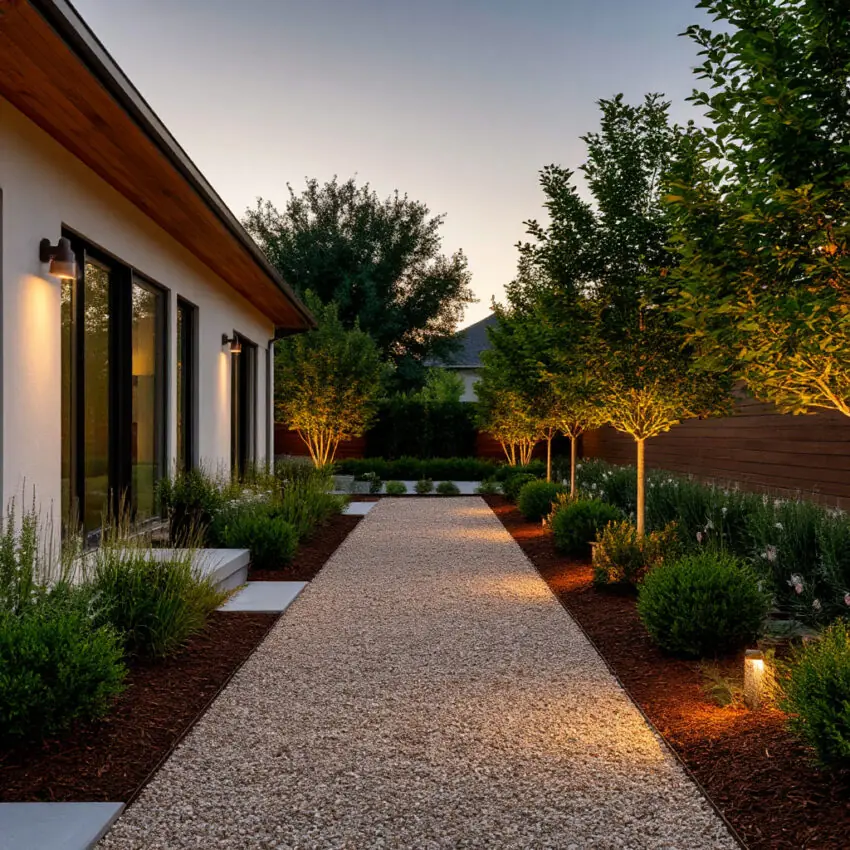
Most homeowners want outdoor space that looks good and takes little time to keep up. In this context, low-maintenance landscaping USA means planning a yard that holds shape through the seasons while cutting routine chores to a minimum. The idea blends smart plant choices, durable materials, and simple layout moves that prevent clutter. It also uses water-wise habits, tidy edging, and grouped plantings that keep tasks predictable. These anchors make future upgrades easier and help budgets stay under control. Heads up: there’s a free checklist at the end of this guide to help you implement low-maintenance landscaping USA step by step.
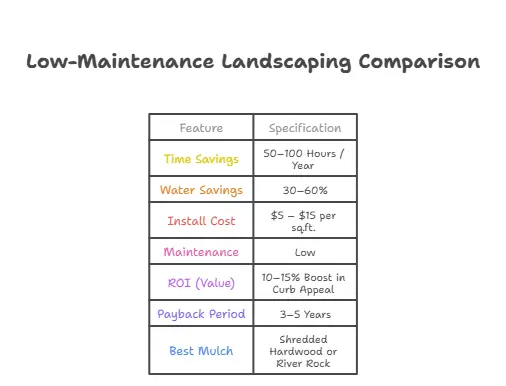
Why Low-Maintenance Landscaping Is Growing in Popularity
Busy households value reliability over ornate details. Weekends are packed, and energy costs keep rising, so simple beds and stable surfaces now beat fussy lawns. Clear zones for dining, play, and storage reduce tool time and make cleanup fast. Owners track time spent per month and redesign high-effort corners first. That shift favors clean lines, restrained color, and plants that hold shape without constant cuts.
Remote work expanded the need for quiet, flexible outdoor nooks. People want soothing views that do not create extra chores. A short list of tough species and long-lasting materials does the heavy lifting. This approach blends well with easy landscaping ideas when planning small upgrades that pay off fast. Families prefer modular pieces they can move or store without damage.
Lifestyle Trends in 2026
Outdoor spaces now mimic the calm of minimal interiors. Fewer species, fewer edges, and better drainage add up to predictable care. Residents compare monthly upkeep when they choose features, not just the upfront cost. That lens puts minimal garden maintenance front and center for plant lists and spacing. Drip with timers cuts water waste for mixed-shrub beds in zones 6–9, but fails on slopes >8% where pressure variation clogs emitters—use pressure-compensating models there.
Regions with dry spells lean into smart layouts and shade. People tighten plant palettes and pick shrubs that keep form under heat stress. Homeowners increasingly choose permeable paths, raised planters, and simple lighting on timers. These choices support drought-friendly landscaping across small lots and tight side yards. A tidy structure lets the yard ride out odd weather without drama.
“Studies show that on average, about 50 percent of all water used for landscape irrigation is wasted.” — Guy Fipps, Ph.D., Professor and Extension Engineer, Texas A&M AgriLife.
See these principles in action: this field-tested walkthrough shows how gravel paths, drip zones, and resilient plant groupings cut weekly chores while keeping visual appeal high.
Best Plants and Materials for Minimal Care
A resilient yard starts with the right backbone. Plants must match local sun, soil, and temperature swings, then keep a compact habit. Materials should be tough, stain-resistant, and simple to rinse. Owners benefit from standard sizes that make repairs painless. A small, coordinated palette reduces guesswork and speeds seasonal checks.
Hardscape sets maintenance levels for decades. Stable bases, correct slope, and clean edging prevent migration of stone and soil. Many households add compact seating pads that reduce mowing zones. That setup pairs well with landscaping with gravel where quick drainage and texture work together. In humid areas, breathable surfaces help stop slime and dark film on paths.
- Pick shrubs that stay neat with shearing just once a year, if your yard’s in USDA zones 5-9 and under 1,000 sq ft.
- Use region-fit groundcovers to block weeds and stabilize soil.
- Install landscape fabric only under stone areas where soil biology is less critical.
- Add drip irrigation with a pressure regulator and a simple flush point.
- Keep plant palettes short to simplify care and replacement.
Right plant, right place, then right size. A good match cuts pruning, water use, and plant loss.
| Plant Type | Water Needs | Sun Exposure | Maintenance Level | Best For |
|---|---|---|---|---|
| Lavender | Low | Full | Very Low (prune annually) | Borders, fragrance |
| Sedum | Low | Full/Partial | Low (divide every 3 years) | Groundcover, rock gardens |
| Boxwood | Medium | Partial | Low (shape biannually) | Hedges, structure |
This comparison table helps you select plants that match your yard’s conditions for effortless upkeep.
Drought-Tolerant Shrubs
Heat-tough shrubs deliver structure with little effort. They keep form, shrug off minor pests, and need light seasonal shaping. Leave 6–12 inches between mature widths—if plants touch within 18 months, you’ll fight disease and spend 2x time trimming. Afterward, mulch the soil to conserve moisture. Add one or two bloom windows for spring and late summer color without heavy grooming. A small dose of flowers keeps the yard lively but not fussy.
In arid and swing climates, deep roots and thick foliage matter. Pick species with field-tested performance in your region. This method supports front yard no-grass ideas when a lawn strip becomes a layered bed. Group plants by water needs so drip runtimes stay simple and consistent. Good spacing prevents hedge battles later in the year.
“The best hope for restoring ecosystem function in our developed landscapes is to increase the abundance of native plants that support food webs.” — Douglas W. Tallamy, Ph.D., Professor of Entomology and Wildlife Ecology, University of Delaware; author of “Bringing Nature Home” (2007) and “Nature’s Best Hope” (2020).
Embedded study: In Arizona, converting a bermudagrass lawn to a xeriscape layout cut landscape water use by 50–75% in cooperative extension trials (2005, Arizona). Italicized source note added for clarity.
While these shrubs work well in arid regions like the Southwest, homeowners in humid areas such as the Southeast should prioritize varieties with good air circulation to prevent fungal issues—consult local extension services for tailored recommendations.
Gravel and Mulch Solutions
Stone topdressing and mulch both reduce chores when used correctly. A compacted base under paths supports foot and cart loads while draining fast. Proper depth and edge restraint keep gravel in place. Leaf cleanup is quick when surfaces do not interlock with turf. Grab a blower on low to clear debris in under 5 minutes for paths up to 200 sq ft, if rainfall’s below 2 inches a week.
Granular surfaces also help with puddles and freeze-thaw cycles. Match rock size to the use case so paths feel firm underfoot. This is a prime move in modern low-care landscaping for side yards and access strips. Around trees and shrubs, mulch regulates soil temperature and protects roots. Keep top-ups steady to stop weeds from getting light.
Embedded study: A Cal Poly experiment found a 5 cm mulch layer reduced surface evaporation to 40% of bare soil loss, with all tested mulch types performing similarly (2013, California).
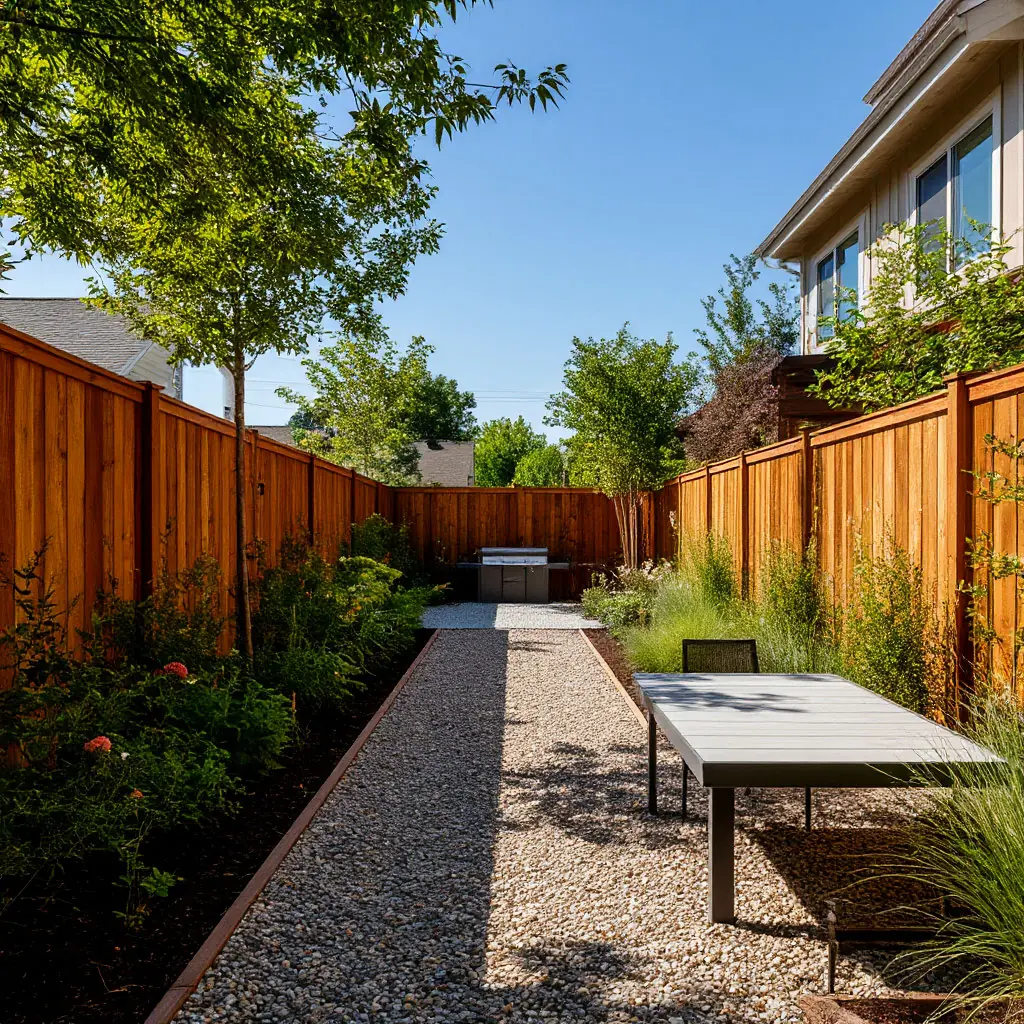
Practical Design Ideas for Easy Upkeep
A calm layout does not mean bare or boring. The goal is clarity: each area has a job, and every element earns its place. Plan for mature size, then leave breathing room so plants do not compete. Keep the circulation loop wide enough for carts and hoses. Group plants with similar water needs to skip soaking hardy ones, if your bed’s under 300 sq ft and gets 4-6 hours of sun daily.
Scale drives success in compact lots. Narrow beds with evergreen texture often beat a mix of thirsty perennials. Weather-proof seating and one sturdy dining table handle most use cases. A few bold pots can carry color and swap out fast. Raised planters help when bending is tough or soil is poor.
Comparison Table — Quick Upkeep Choices
| Element | Best Use | Time Cost | Notes |
|---|---|---|---|
| Drip irrigation with timer | Beds, borders, planters | Low | Cuts runoff and wind loss |
| Composite decking | Seating pads, paths | Low | No yearly sealing required |
| Gravel path on compacted base | Side yards, utility runs | Low | Drains fast, easy to rake |
| Steel edging | Bed borders | Low | Stops turf creep cleanly |
| Evergreen shrub rows | Privacy, structure | Low | Seasonal shape check only |
Clean structure pairs nicely with evergreen shrubs low maintenance that keep shape through winter. Deep mulch helps throttle weeds and lock moisture. Add a single accent tree rather than many short-lived bloomers. Carefully considered spacing between bushes allows pruning time to be reduced to less than 15 minutes per bush using hand shears – any more means the spacing was too small. A short monthly checklist keeps the yard at its best.
Small Yard Hacks
Small spaces benefit from honest priorities and tidy access. Pave trash pads and hose stations to stop mud and ruts. Keep outdoor storage near the work zone, not across the yard. A fold-down potting shelf saves room but supports quick tasks. Low-voltage lights on timers improve safety without fuss.
Raised planters give you soil and drainage control for beds 2-4 ft high, if your lot’s sloped over 5% and soil pH is 6-7. In hot zip codes, light-colored surfaces cut heat near seating. This method aligns with backyard design minimal care for townhomes and duplexes. Lightweight furniture moves fast before storms. With fewer items outside, cleanup takes minutes, not hours.
Edge first, then fill. Borders define spaces and slash future cleanup.
Low-Care Front Yard Options
Curb appeal can be calm and easy. Replace thin lawn strips with layered beds and a durable path. Choose a front walk surface that resists stains and heaving. Use one bold focal plant instead of several tiny accents. Keep house numbers and mailbox areas clear for quick updates.
A neat, layered bed can hide utility boxes while keeping service access open. Deep mulch and matched emitters keep water where it belongs. Travelers need designs that hold shape during long trips. That mindset lines up with landscaping for busy people when entry routes and parking meet. Motion lights and simple plant forms reduce after-dark hassle.
“A garden isn’t a landscape painting you look at, but a dynamic process that’s always changing.” — Piet Oudolf, garden designer.
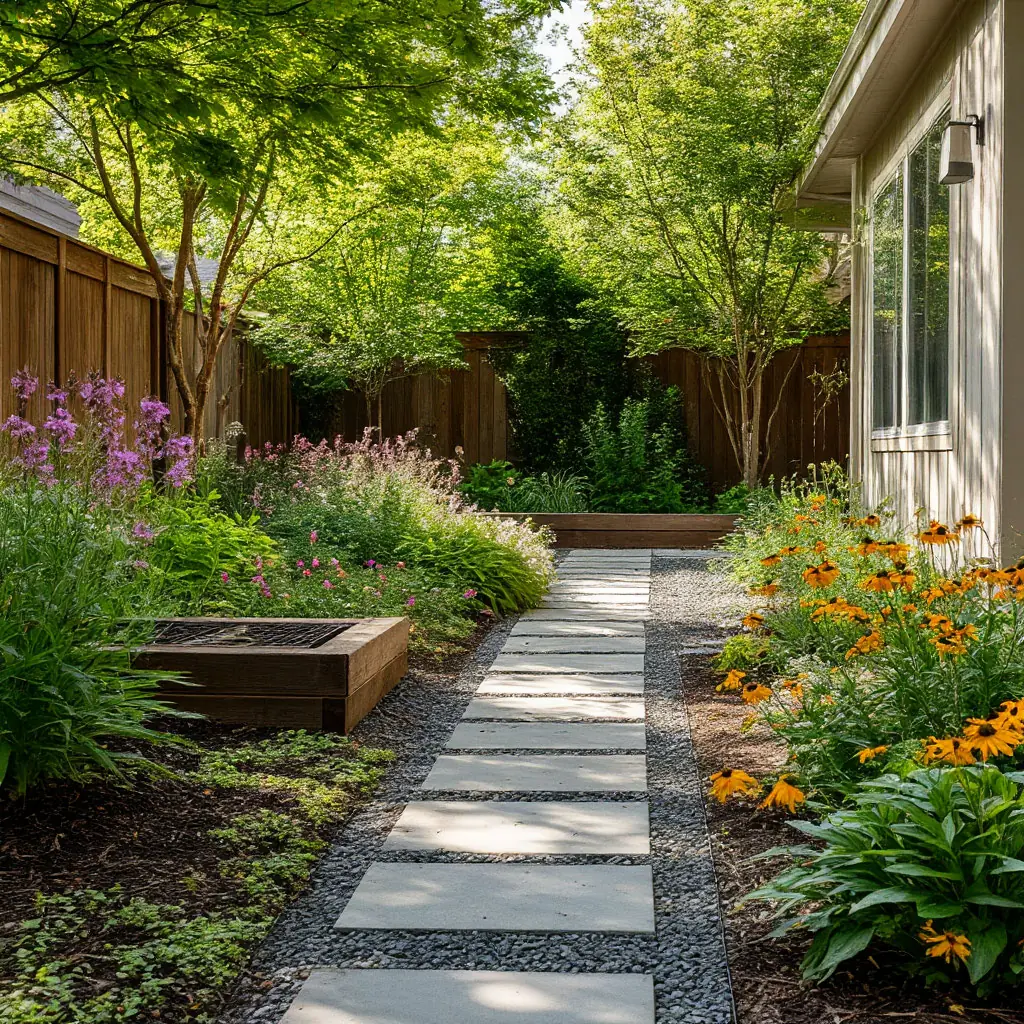
Eco Benefits of Low-Maintenance Landscaping
Lean yard care tends to save resources over the long haul. Less mowing and blowing means fewer emissions and less noise. Smart irrigation avoids runoff and protects plants from stress. Well-sized hardscape stops erosion near downspouts and slopes. Clean lines help spot issues early before they get expensive.
Tough plant palettes also support wildlife. Dense groundcovers shield soil life and reduce evaporation.Permeable paths infiltrate well on flat lots under 3% grade, but on slopes >5% they’ll channel water sideways—add cross-slope weep holes every 8 ft or switch to solid pavers with edge drains. These moves fit utility rebates and local codes that favor infiltration and shade. A healthy base layer keeps the yard resilient in surprise weather.
- Choose permeable paths to reduce puddles and ice sheets.
- Water at dawn works in arid zones (under 25″ rain/year), but in humid Midwest/East it extends leaf wetness—switch to 10 AM starts there to let foliage dry before evening dew.
- Plant shade trees near west walls to cut cooling loads by 10-20%, if trees mature to 20-30 ft and your home’s in zones 6-8.
- Mow only defined turf patches under 500 sq ft that get heavy foot traffic, if grass type tolerates drought over 2 weeks.
- Compost leaves to feed beds and lighten heavy soil.
Italicized study: EPA’s WaterSense program confirms that properly installed drip systems use between 20% and 50% less water than conventional spray sprinklers across residential applications (2023, U.S. Environmental Protection Agency).
Saving Water and Energy
Grouping plants by water need simplifies runtimes and trims bills. Drip lines with pressure control deliver moisture directly to roots. Morning cycles reduce leaf wetness and evaporation loss. Shade near walls and patios cuts peak heat and cooling demand. A small rain gauge helps skip watering after storms.
Local programs often offer rebates for controllers and turf conversions. Homeowners can attach simple soil moisture sensors to beds. Smart controllers pull weather data to fine-tune runtimes. This workflow supports time-saving landscaping hacks when dialing in seasonal schedules. A monthly five-minute inspection keeps the system clean and efficient.
To achieve these savings, install standard 50-gallon rainwater collection barrels. Kits cost between $85 and $120 in 2026, a 40% increase over 2023 prices. They collect approximately 50 gallons for every inch of roof runoff over a 500-square-foot area. This will reduce irrigation needs by 30% under average conditions.
Water slow and deep, but no more than 1 inch every 7-10 days, if temps hit 80°F+ and your soil drains in 1-2 hours. Roots chase depth when cycles are spaced well.
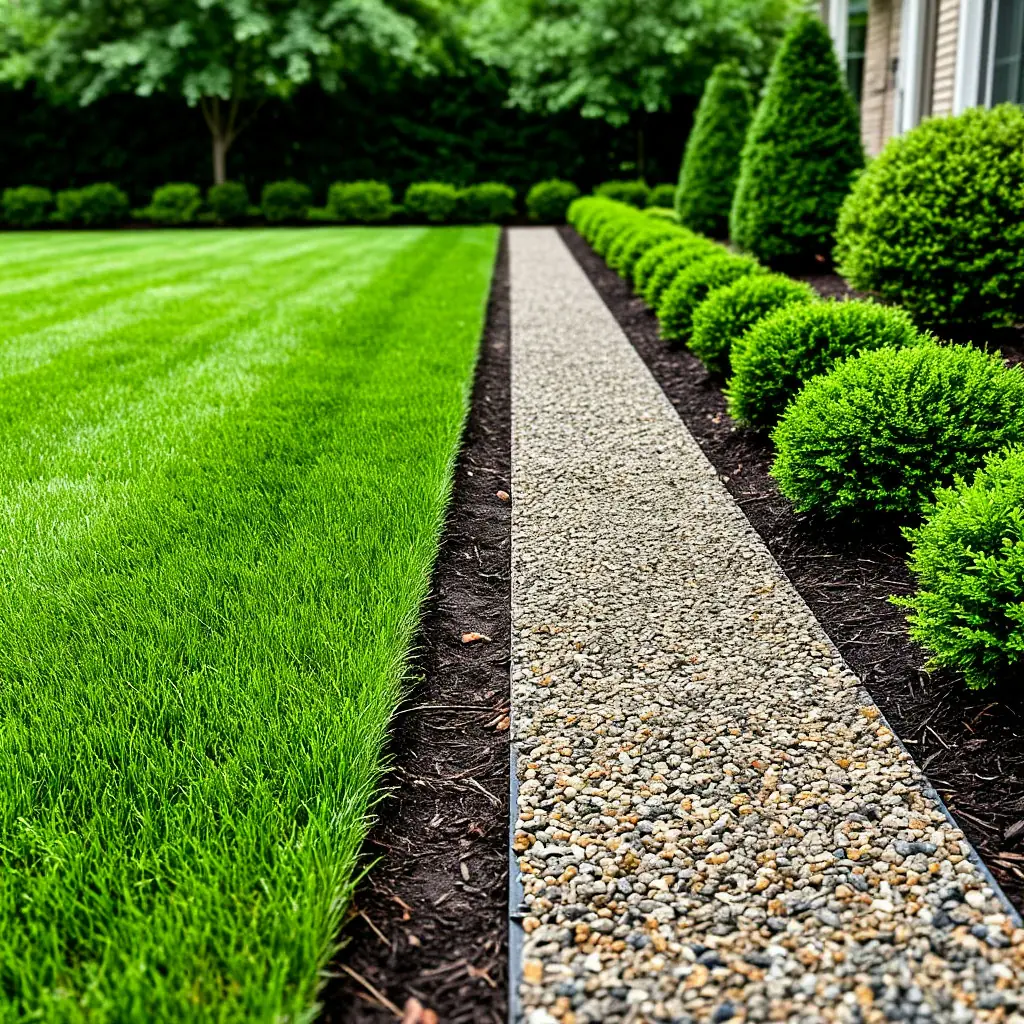
How to Transition From High-Maintenance to Low-Care
Start with an honest audit of tasks that eat time. Replace fussy edges with fixed borders and widen paths that collect weeds. Remove plants that flop or demand staking. Convert thin turf to a surface that stays stable after rain. A calm baseline makes later upgrades straightforward.
Work in phases to protect budget and morale. Begin with water control, then tackle access and storage. After that, swap high-touch plants for durable shrubs and groundcovers. Review progress after one season and move crowded items. Keep one compact tool kit that matches the new layout.
Maintenance Audit Matrix
| Zone/Area | Current Time/Month | Pain Points | Conversion Priority (1-3) | Target Material/Plant | Estimated Cost Range |
|---|---|---|---|---|---|
| Front lawn strip (thin) | 4.5 hrs | Mower access difficult, weeds persistent | 1 | Gravel path + drought-tolerant shrubs | $400–$700 |
| Side yard (full sun) | 3 hrs | Grass burns in summer, needs frequent watering | 2 | Native groundcover (e.g., sedum) | $250–$450 |
| Back patio border | 2 hrs | Mulch washes away after rain | 3 | Steel edging + 3″ bark mulch | $180–$300 |
| Add your zones below |
Tip: Rank priority by pain point severity × time spent. Tackle Priority 1 zones first to maximize time savings early.
For hands-on hacks to maintain a large garden effortlessly, this video shares strategies that can scale down to your busy lifestyle.
Step-By-Step Conversion Plan
Before the steps, note one point: sequence is what saves energy here. Each move makes the next one easier and cleaner.
- Map high-effort zones and photograph trouble spots after rain.
- Fix drainage, capture roof runoff, and consolidate hose bibs.
- Install drip with a timer, then pressure test each zone.
- Edge beds, widen paths, and set clean borders before planting.
- Replace needy plants with region-fit shrubs and groundcovers.
- Topdress with gravel or mulch and label irrigation lines by zone.
- Review after the first storm and adjust grades if needed.
Owners often ask about lawn removal timelines. A sod cutter clears most areas in a day, while sheet mulching needs a couple of weeks. Either way, set base layers and edging before any plant goes in. That is the moment to build yard work reduction through straighter edges and fewer mow lines. A short snag list after the first month keeps the site tidy.
Travel-heavy families choose compact seating pads and narrow beds. That path reduces clutter and speeds weekend resets. Bulk deliveries of mulch or stone cut repeat store runs. Edge first so materials do not spill into turf. The result aligns with lazy gardener landscaping when durable finishes take priority.
Material costs shifted notably in 2025–2026. Current averages per 100 sq ft installed:
- Decomposed granite base + 2″ gravel top: $380–$520 (up 12% YoY)
- Premium bark mulch (3″ depth): $190–$260
- Basic drip kit with timer (500 sq ft coverage): $210–$340
Turf replacement choices keep expanding. Clover blends, low-grow fescues, and groundcover mosaics work in different traffic zones. Add step stones where movement is frequent to protect roots. Timed drip and mulch finish the conversion and protect new plantings. Many households explore easy lawn alternatives during this stage to simplify weekly chores.
Cities and utilities often support water savings, shade trees, or permeable surfaces. Keep receipts and photos for rebate forms. Program details vary, but the trend points toward practical upgrades that cut waste. These incentives pair well with eco low-maintenance yards when the design reduces resource use. A little paperwork can fund a meaningful chunk of the project.
Media and trade events spotlight better materials each season. Local demos show quick installs for edging, drip kits, and modular pavers. Homeowners use pro checklists to avoid common mistakes. Neighborhood walks offer real-world case studies for layouts and spacing. These patterns reflect USA landscaping trends as products evolve and get easier to maintain.
FAQ
How do I plan a low-care layout without missing key steps?
Start with water control, then lock in edges and access, and only then add plants. That workflow supports low-maintenance landscaping USA goals by preventing rework and surprise costs.
Why does gravel cut cleanup in side yards?
A compacted base and proper edging stop migration, and a quick rake resets the surface. This makes landscaping with gravel a strong choice for narrow utility runs.
What is better for a tiny urban front?
One bold focal shrub, a clean path, and a restrained color palette usually beat a mix of small pots. That setup often pairs with front yard no-grass ideas that remove tricky turf slivers.
How do I keep irrigation simple and efficient?
Group plants by water need, run drip at dawn, and check filters monthly. Smart controllers, once tuned, support time-saving landscaping hacks across seasons.
Why lean on evergreen structure for year-round calm?
Compact forms anchor views and reduce frequent swaps. That logic is why evergreen shrubs low maintenance show up in many border plans.
Additionally, how can I budget for the transition? Start with a simple audit: estimate $500–$2,000 for basic drip irrigation and mulch for a 500 sq ft yard, scaling up based on your lot size for predictable costs.
A durable outdoor space comes from clear priorities, not endless add-ons. Start with water, access, and structure, then build slowly with region-fit plants. Keep lines clean, tools simple, and zones obvious. Test changes for a season and trim anything that creates extra work. With this mindset, low-maintenance landscaping USA delivers comfort that stands up to real life, month after month.

Download the checklist to turn this guide into a 30-minute action plan. It sequences tasks, sets watering runtimes, and lists materials so low-maintenance landscaping USA becomes fast, predictable, and budget-friendly.
Sources
- Italicized research: University of Arizona Cooperative Extension. (2005). Water Savings Potential of Xeriscape Conversions in Phoenix and Tempe. Tucson, AZ: University of Arizona Agricultural Experiment Station.
- Italicized research: McMillen, M. (2013). The Effect of Mulch Type and Thickness on the Soil Surface Evaporation Rate. Senior Project, California Polytechnic State University, San Luis Obispo.
- Italicized research: U.S. Environmental Protection Agency. (2023). WaterSense at Work: Section 5.2 Irrigation. EPA 832-F-23-002.
- Fipps, G. (2017). “Water My Yard Program now covers more areas of Texas.” AgriLife Today, Texas A&M University System.
- Tallamy, D. W. (2020). Nature’s Best Hope: A New Approach to Conservation That Starts in Your Yard. Portland, OR: Timber Press.
- Oudolf, P., & Kingsbury, N. (2013). Planting: A New Perspective. Portland, OR: Timber Press.
- National Association of Landscape Professionals. (2026). 2026 Cost Index: Hardscape and Planting Materials. Fairfax, VA: NALP Research Division.